STORYTELLING PART 2
INTRODUCTION
By Gordon S. Grice
One of the best things about life—also, sometimes, one of the worst things—is that you never really know what’s going to happen next. As events unfold, we all have our own way of making sense of them: nothing is random, God wills it, that’s life, etc. But the best mechanism for dealing with life’s unpredictability that we’ve come up with so far is storytelling. Stories come with the added advantages of comfort, longevity and memorability. There are made-up stories, true stories, and “the story you are about to read is true; only the names have been changed to protect the innocent.”
Architecture is like storytelling. It helps us to organize our lives, it provides comfort, a degree of permanence and a way of remembering, which is why architecture and storytelling are inseparable.
There is a lot of good writing about architecture: history, ideas, theories, philosophies, techniques, critiques, monographs, manifestos, etc. But there is too little architectural storytelling. So, in this issue of The Right Angle Journal, we have asked our writers to tell us an architectural story. The result is a surprising collection of: fact (Grice), a recollection of architectural destruction (Devgan), an advocacy for design stories, (Temporale), and a fictionalized account, in which “the story you are about to read is true; only the names have been changed to protect the innocent.” (Moise).
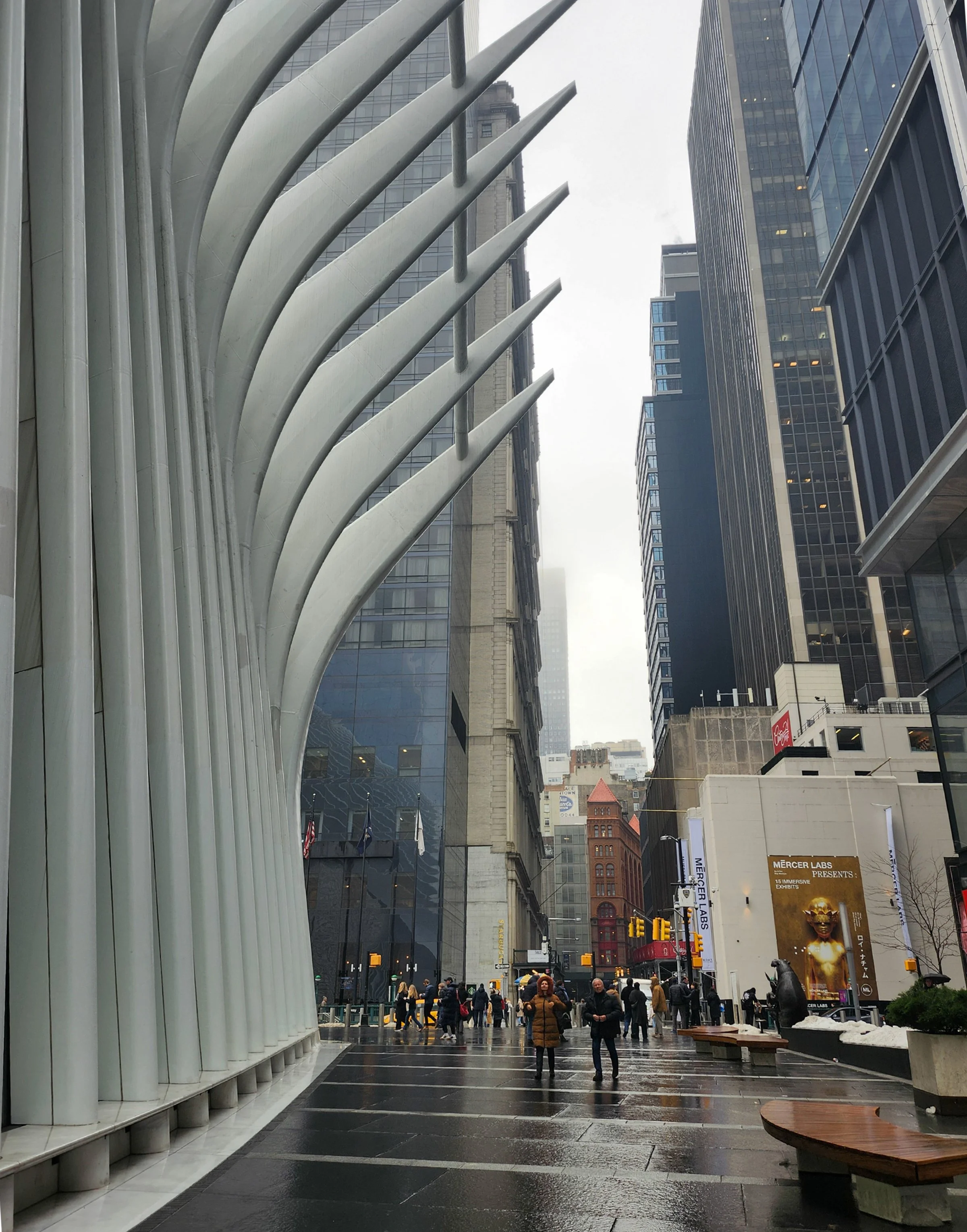
WorldTradeCentre2025: A GROUND LEVEL IMPRESSION OF GROUND ZERO, NYC
A landscape architect walks the World Trade Center memorial with her daughter, reading its ground plane: the Two Voids, the Survivor Tree, and the oaks that muffle the city.
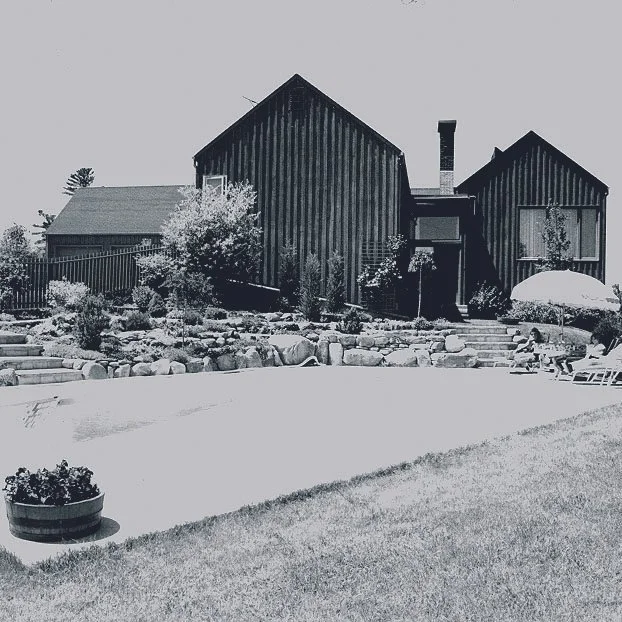
THE TRUE NARRATIVE
Too many architects’ design narratives are afterthoughts written in a language only architects understand: on writing the true story of a project.

ARCHITECTURE & STORYTELLING
From Chauvet Cave to Victor Hugo, buildings have always told stories: Gordon Grice traces how architecture and narrative became bedfellows, and why there are still too few architectural stories well told.

THE BUILDER’S LINE - AN URBAN DESIGN STORY
A fictional urban designer walks an infill site and finds the proposal technically compliant but deaf to the street: a story about what design review is really for.