Every piece in the journal, grouped by topic. Browse a theme, or start with the issues.
Browse by topic
Animals & the City
 "In the Beginning": A Short History of Designing with Pets & PeopleFrom Noah's ark, possibly the first structure built for humans and animals under one roof, to a Toronto with more dogs than children: the architectural case for taking animal wellbeing seriously.
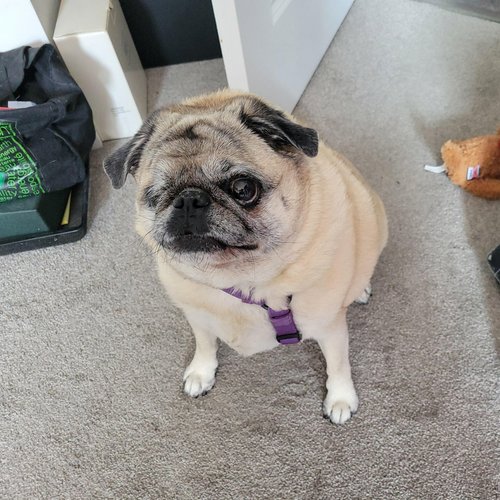 My Kitty CaféGuelph's cat café serves lattes with a side of adoptable cats: a visit to My Kitty Café, a calm haven of cat trees, bridges, and purring regulars on Wyndham Street.
 Designing for Paws and People: Pets in Urban DevelopmentSixty percent of Canadian households have a pet, but our cities weren’t designed for them: the case for pet-inclusive planning, from dog runs to winter-proof parks.
 Pigeons... as PetsIn defense of the pigeon: from ancient Egyptian companions to wartime messengers, and a proposal to bring rooftop coops back to downtown residential buildings.
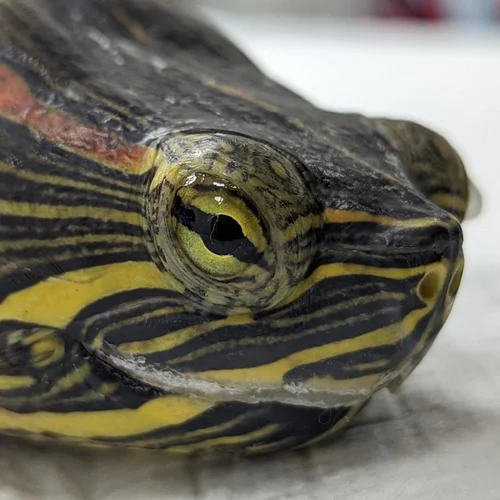 Vet HospitalThree vet clinics, one gravely ill turtle: what a waiting room, a candle for the lost, and a steel examination bed mean when the patient is family.
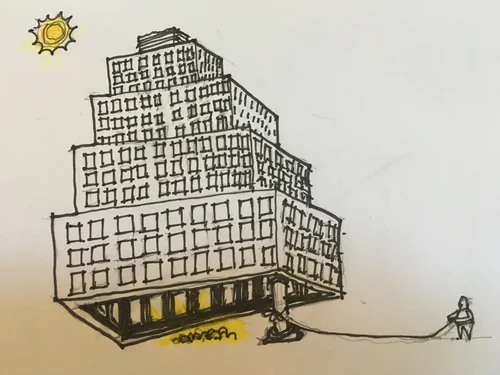
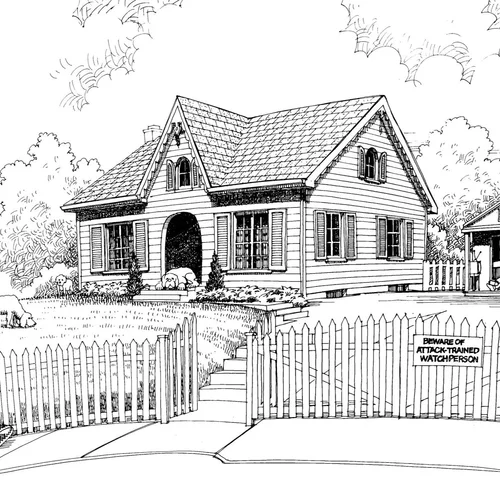 A Forward-Looking SolutionIn 1984 the OAA asked architects to design a dog house, and the editor’s honourable-mention entry, possibly prophetic, resurfaces.
Art, Culture & Experience
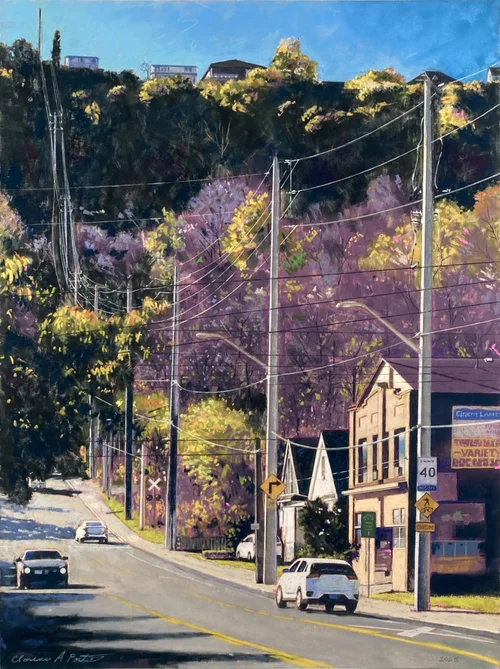 Paths: The work of Clarence PorterPaintings from Clarence Porter's Paths exhibition: images of roads, alleys, and horizons that you don't just look at but travel into.
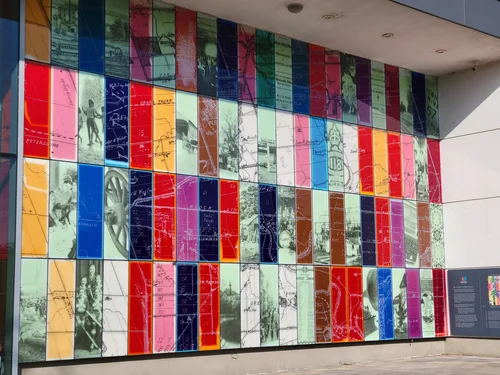 Places: The Ken Seiling Waterloo Region MuseumA museum whose glass quilt wall hides a 1905 Laurier speech encoded in colour: on the Ken Seiling Waterloo Region Museum and architecture that carries hidden messages.
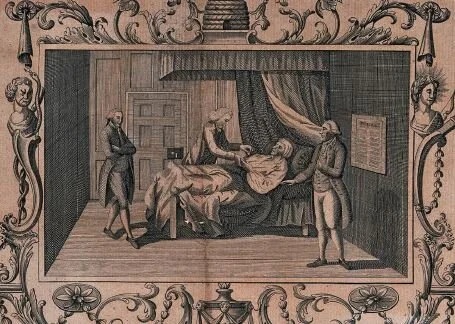 DiscomfortThe issue's opening argument: architects are skilled at soothing discomfort, but from confrontational buildings to rugged landscapes, unease often enriches experience.
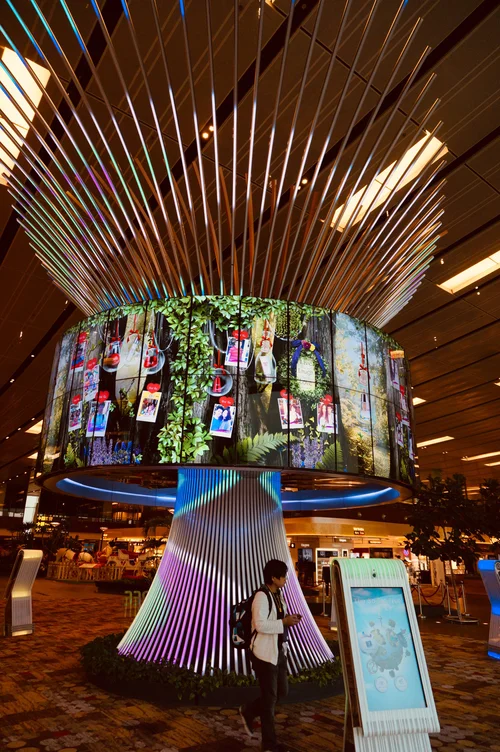 On Architecture, Entertainment, and DiscomfortFrom Banksy's Dismaland to pandemic-shuttered theme parks: why entertainment spaces are engineered for comfort, and what happens when discomfort gets in.
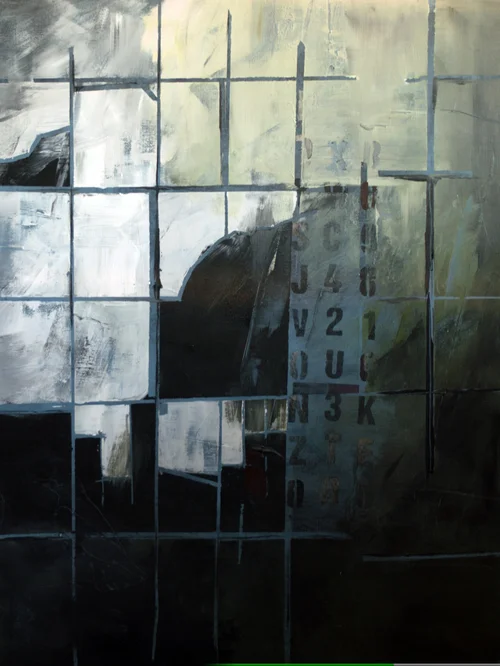 Art and Architecture - A Personal JourneyFrom would-be ballerina to architect to full-time artist: how McGill drawing classes under Gentile Tondino shaped a double life in art and architecture.
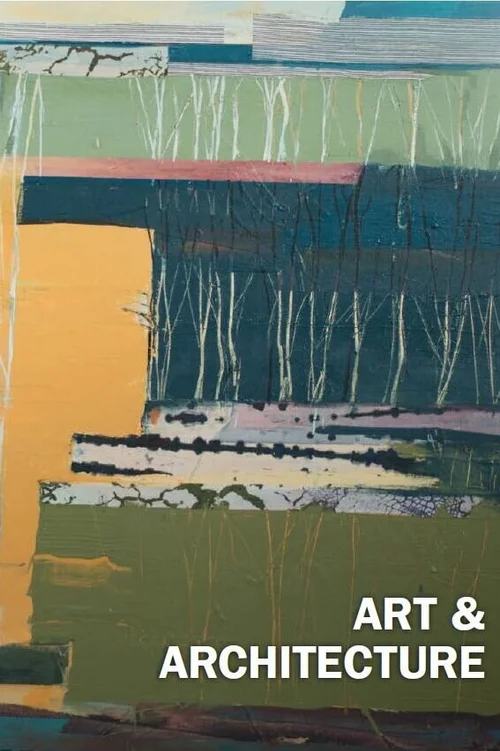 Art, Architecture and the City: Symbiosis Through Public ArtMuseums isolate art for the initiated few, but public art meets everyone on the street: how art, architecture and the city complete each other.
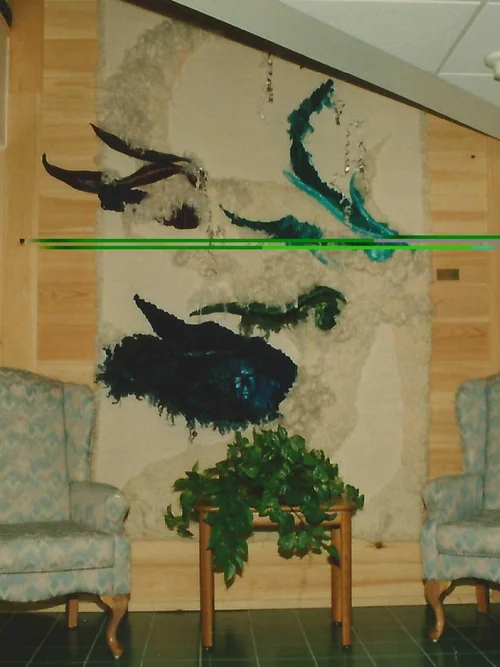 Efficient Art + Architecture in a Seniors' Social Housing ProjectA line item for 'special wall treatment' smuggled an art budget into a modest seniors' housing project; twenty-five years later, the wool hangings still lift the building out of the ordinary.
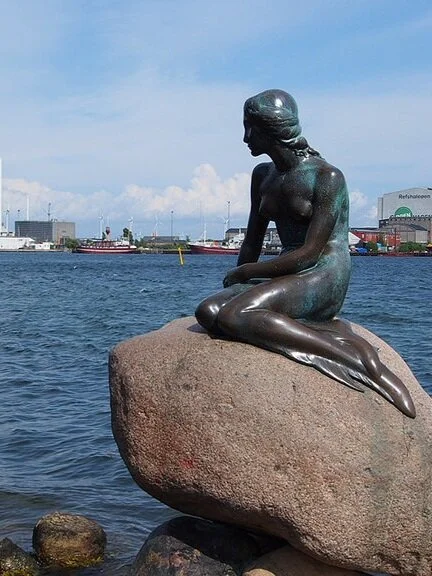 Experiential Art & ArchitectureCopenhagen’s Little Mermaid and three Toronto water nymphs show how similar sculptures can create radically different stories, places and public experiences.
Cities & Urban Design
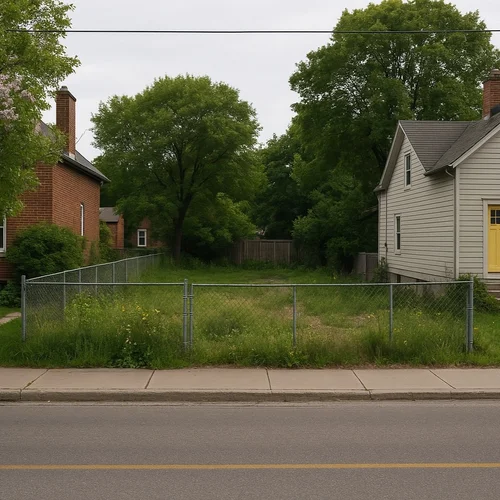 The Builder’s Line - An Urban Design StoryA fictional urban designer walks an infill site and finds the proposal technically compliant but deaf to the street: a story about what design review is really for.
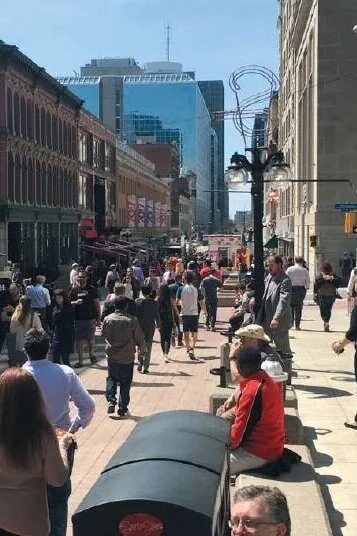 The City: Listening to the StreetA wise Montrealer on a Rue St. Denis patio said it best: listen to the street. On learning that city building is about people, not bricks and mortar.
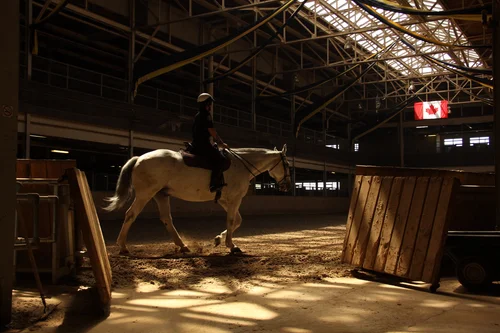 The Horse PalaceToronto's Horse Palace is a museum you experience through your nose: on smell, memory, and what the city may scent like a century from now.
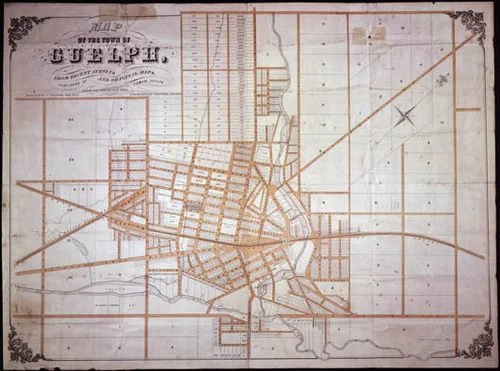 The Micro-VillageA morning walk past a 1911 county jail, a land registry office and a church spire: what a small Ontario city's old buildings still know about authenticity.
Heritage, Memory & Place
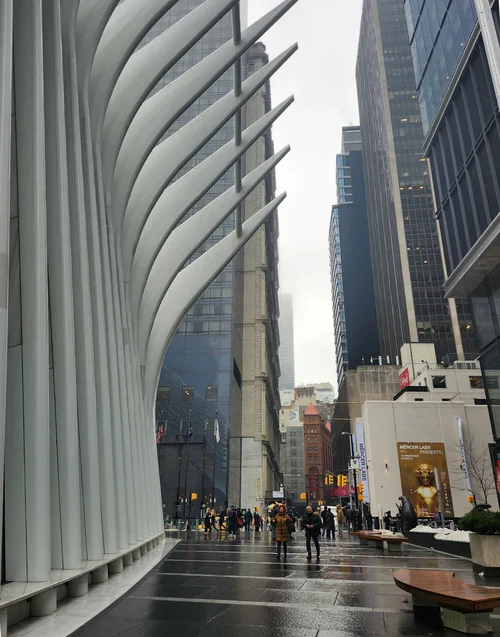 World Trade Centre 2025: A Ground Level Impression of Ground Zero, NYCA landscape architect walks the World Trade Center memorial with her daughter, reading its ground plane: the Two Voids, the Survivor Tree, and the oaks that muffle the city.
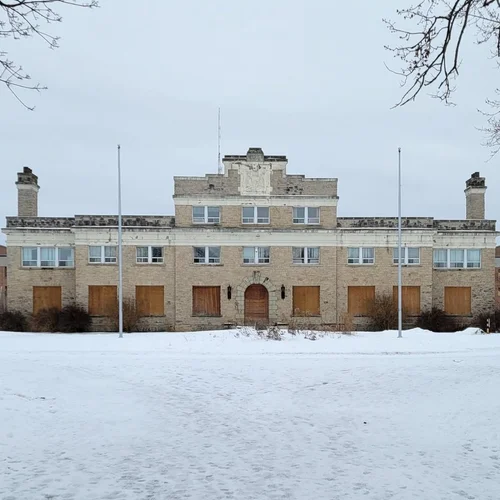 The Guelph PenitentiaryA former inmate of the Guelph Penitentiary became the author's senior draftsperson; through Tommy's story, a portrait of John M. Lyle's Beaux-Arts prison farm and the trauma and beauty it still holds.
 Ontario Science Centre 2: AgeismThe Ontario Science Centre, not yet 55 and facing demolition, speaks for itself in this first-person plea against architectural ageism.
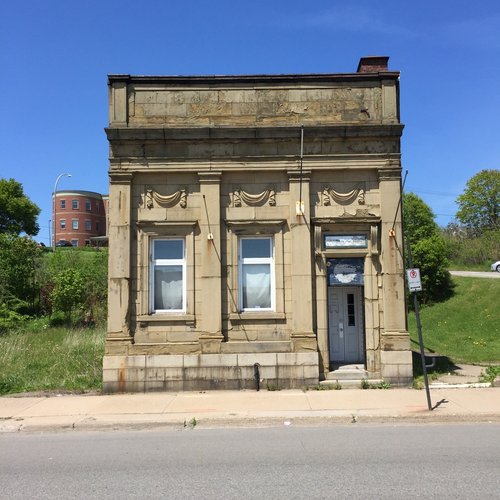 Buildings: How Did Architecture Get to Be a Disposable Commodity?When did it become OK to treat a sound building like an old appliance? On the Ontario Science Centre, planned obsolescence, and the cost of throwing architecture away.
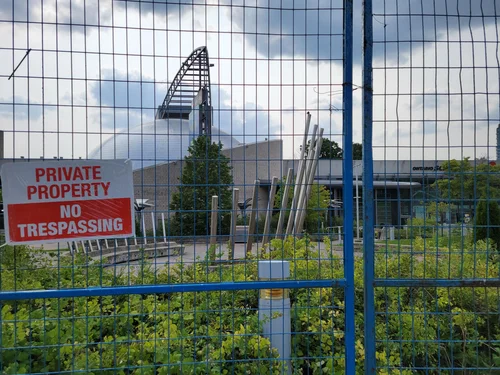 Ontario Science Centre 1: The LossThree generations of one family grew up in Raymond Moriyama's Ontario Science Centre; now the province is dismantling it. A personal and political lament for a brutalist landmark.
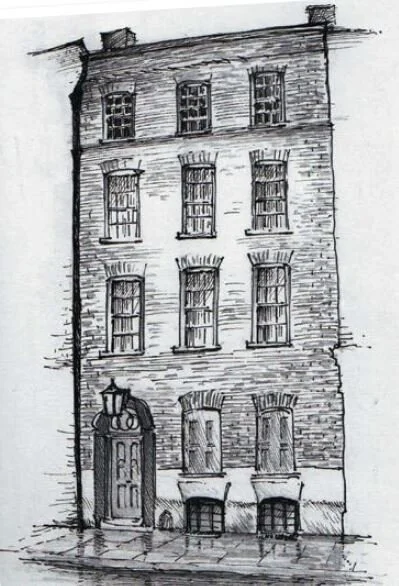 Locations: A House in Spitalfields - A Visit to the Dennis Severs HouseA silent, candlelit night inside Dennis Severs' Spitalfields house, where history is staged as a sensual drama and visitors walk through the frame of a living painting.
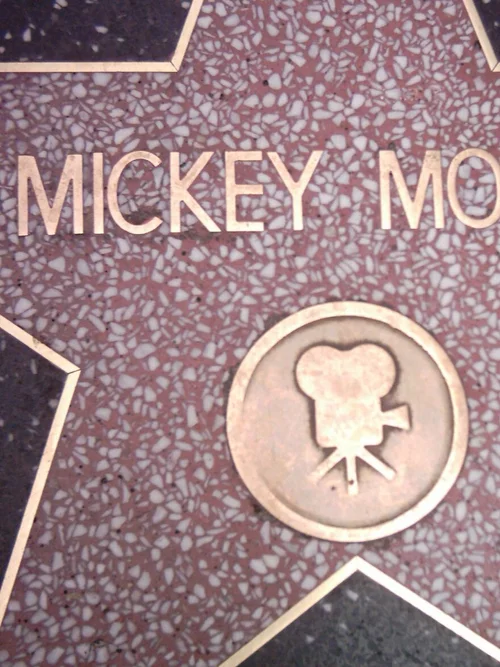 AuthenticityFor most of architectural history nobody worried about authenticity, until Morris, Sullivan and Loos insisted buildings answer for what they are.
 Authenticity and Creative InventionBill Birdsell argues authenticity is not a style or a pedigree but what happens when a building moves you enough to describe it vividly to someone else.
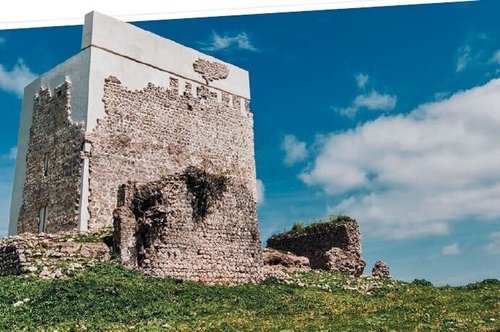 On Authenticity in Architecture and SpaceFrom a controversial Spanish castle restoration to the Museum of Jurassic Technology: authenticity in architecture is made by use, not material.
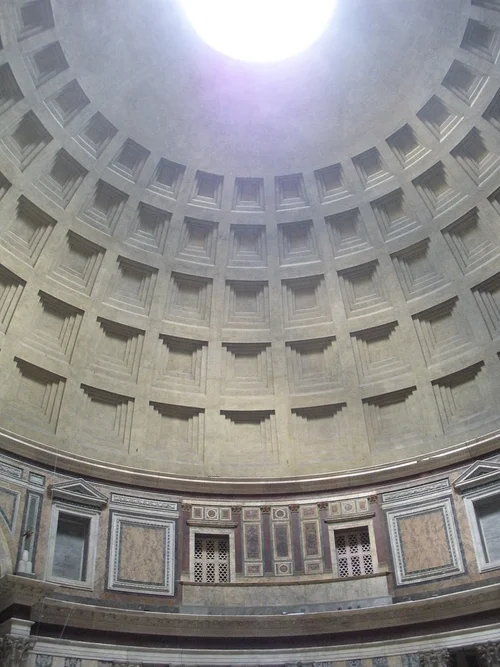 Being True to OneselfStarting from the Rosetta Stone and its touchable replica, a case that authenticity in architecture means declaring what you are, not pretending to be something older.
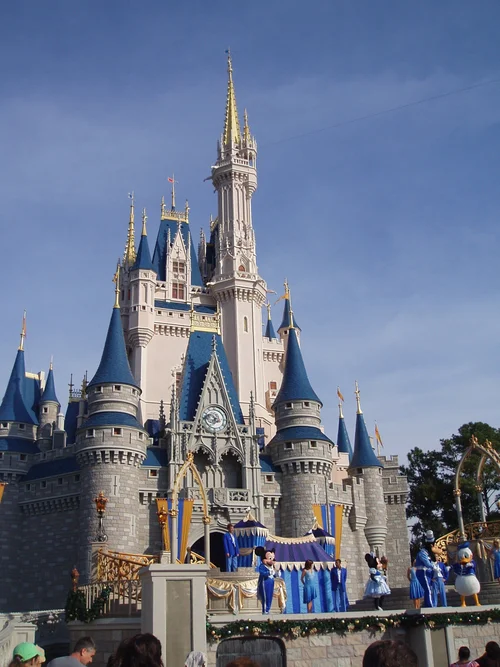 Locations - Authenticity and Bogus CastlesA fibreglass castle at a Florida theme park, a Tudoresque dining chair, and experiments in Canada and the UK on whether we can spot a reproduction.
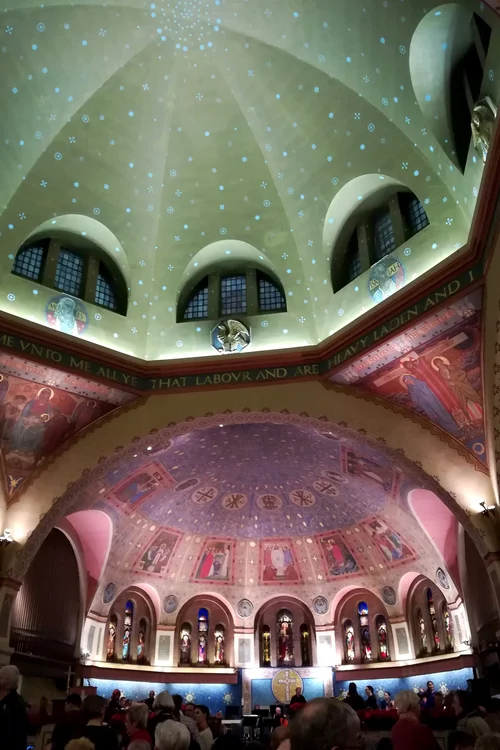 Locations: Reflections On A Renovation To St. Anne’s Anglican Church In TorontoAdding an accessible entrance to a Toronto church holding the only religious murals by members of the Group of Seven: a renovation in service of something larger.
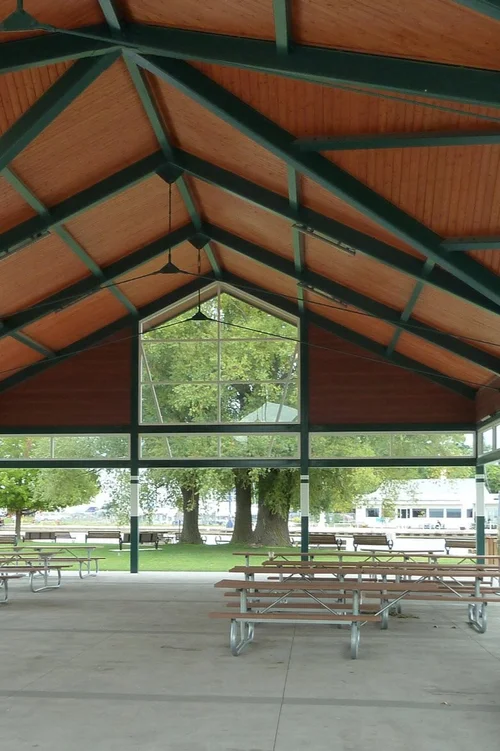 Locations: The Lakeside Park Pavilion at Port DalhousieReplacing a beloved rotting pavilion at Port Dalhousie: when heritage value lives in collective memory rather than in the wood itself.
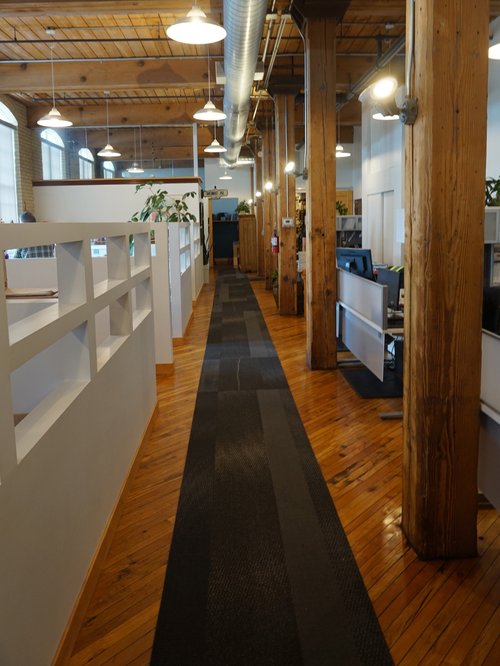 Toronto Carpet FactoryLiberty Village's Toronto Carpet Factory: how Victorian heavy-timber mill construction made an economical building that outlasted its industry.
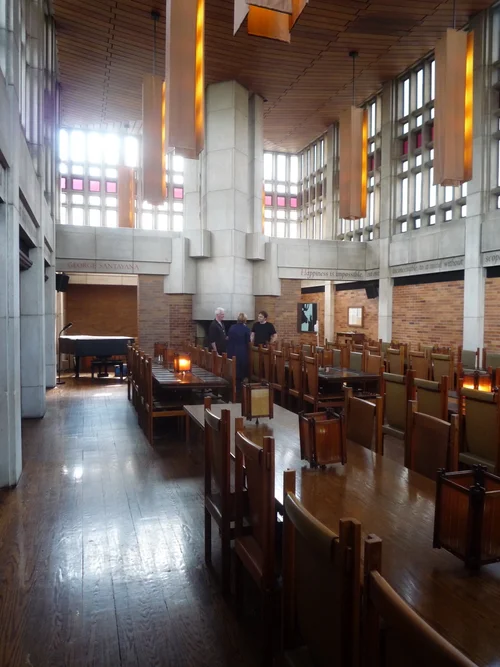 Introduction: PlacesWhat makes a place special is rarely what architects control: an introduction to an issue on genius loci, memory, light, and the spirit of place.
 Memorial School, Niagara FallsDecades after grade six, the author walks back into his old Niagara Falls school, now a Legion Hall, and finds that memory, not architecture, is what makes a place beloved.
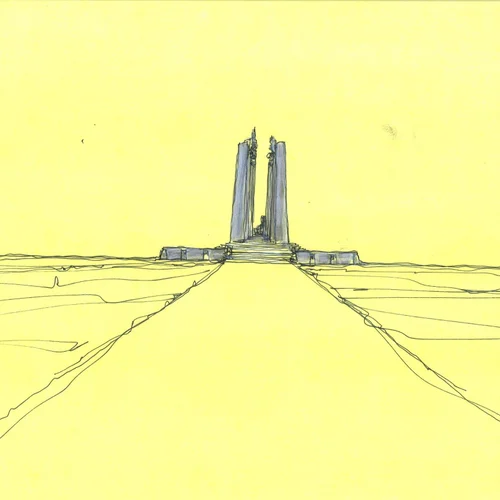 VimyVisiting Walter Allward’s Vimy Ridge Memorial on the battle’s anniversary: twenty carved figures, no glorified war, and a monument that argues for peace.
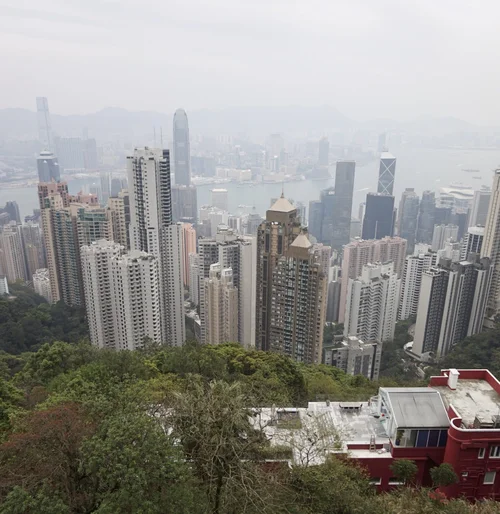 Those Were the DaysA childhood in Hong Kong, where an unremarkable alley between apartment blocks became the best playground in the world through sheer imagination.
Housing & Home
 HomeFrom Hong Kong’s cage homes to California’s 14,000-square-foot art houses: what the word home can possibly mean when it covers all of that.
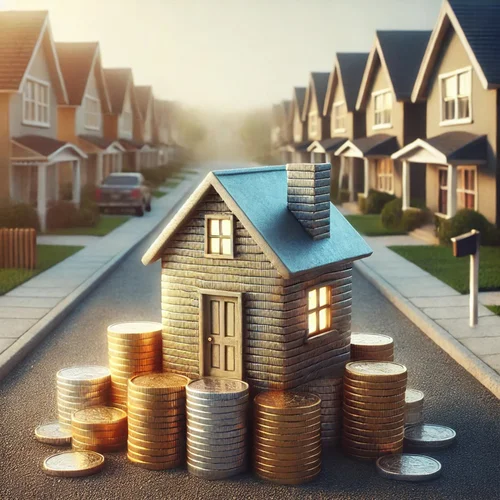 Asset or Shelter? The Shift in Canadian Housing PerspectivesHow Canadian housing shifted from shelter to financial asset, and what policies could put the sheltering function back first.
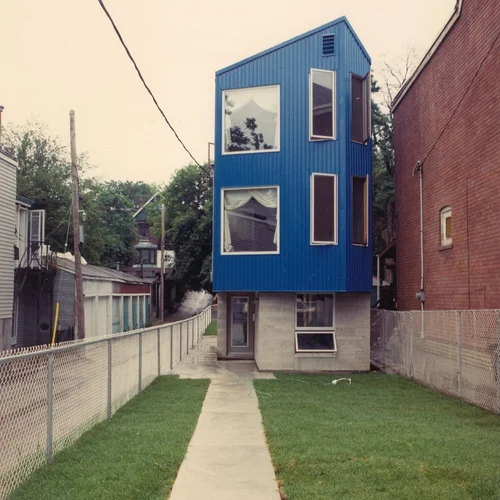 The Value of DifferenceAn architect's memoir of building his own houses, from a Riverdale oddity to a glass house-studio in Guelph: on homes as sanctuary, not just assets.
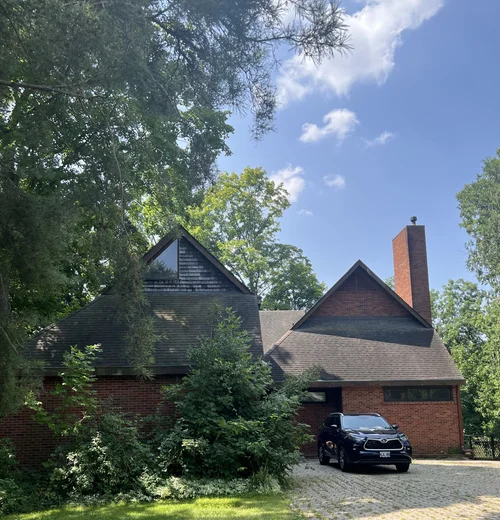 A Visit to the PastFifty years after designing a brick-and-timber house on Mississauga Road, the architect returns to find it standing proud: on craft, contractors, and building for keeps.
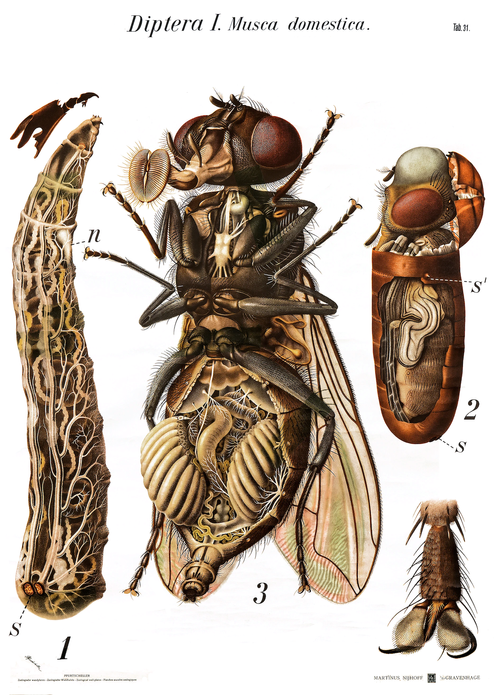 TenantsPrivate eye Joe Flyday interviews the house's real tenants, a squirrel, a swooping robin, a Kafka-quoting cockroach, and a cat named Vinnie, about the disappearance of the housekeeper.
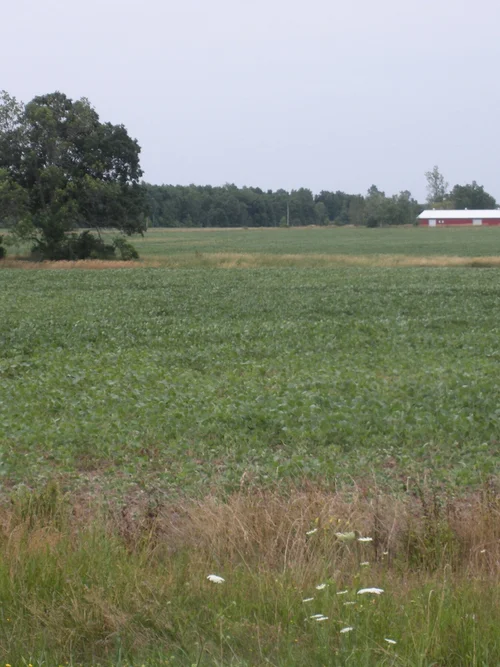 A Sense of HomeA drive from a city apartment to a country house becomes a sensory passage between two worlds and a declaration of where home really is.
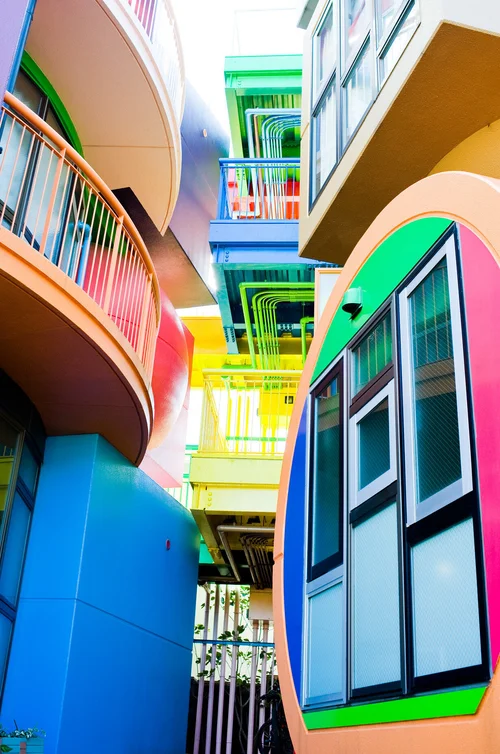 Physical EnvironmentsThe Reversible Destiny lofts were designed to challenge their elderly residents' senses; a case for buildings that trade a little comfort for resilience, health, and longer lives.
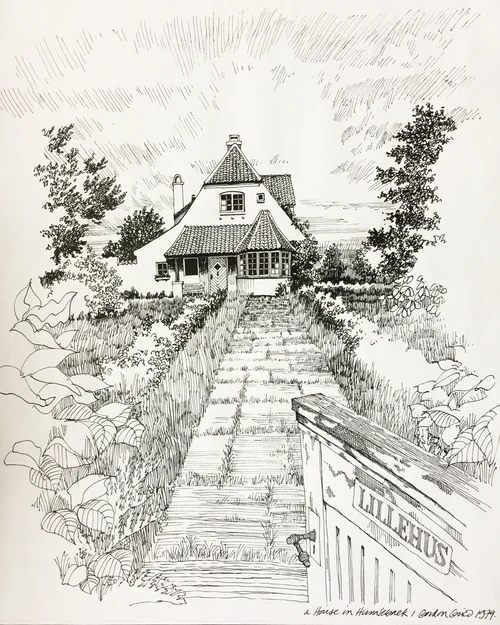 IntroductionWritten in the first months of the pandemic: what accommodation really means, from Danish hygge to the homes we were suddenly stuck in.
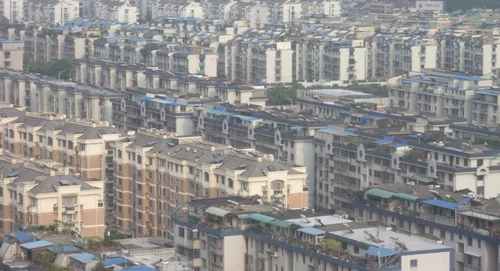 Our Housing Crisis is not Going AwayNeoliberal housing policy keeps building luxury condos while affordable supply shrinks, and the pandemic made the gap impossible to ignore.
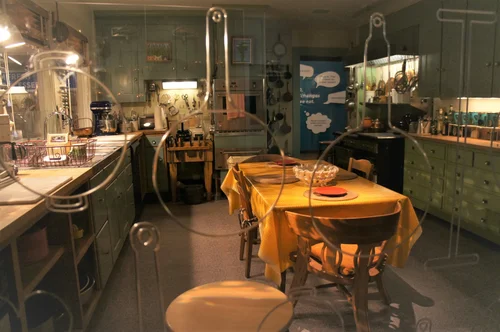 A Book DiscussionGordon Grice puts tricky questions to John Ota about his book on the history of the kitchen, from Julia Child's stove to Elvis Presley's, and what cooking at home taught us during COVID.
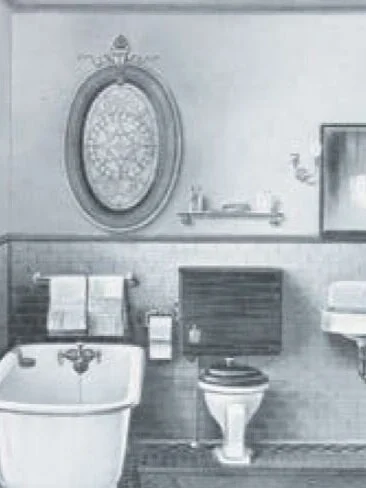 The Importance of BathroomsIn new small townhouses the bathroom now claims 14 percent of the floor area. What the growing bathroom says about how we value domestic space.
 Ideas of HomeFrom Palaeolithic caves to the smart home: a tour of how the idea of home shrank, mechanized, and became a commodity.
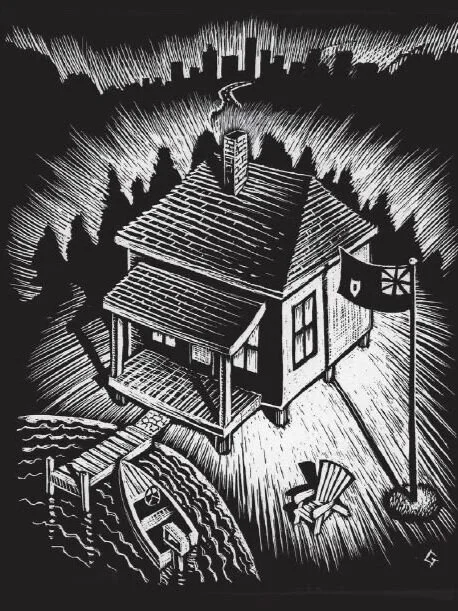 Grampa's Farm for a New GenerationThe family farm has faded from the landscape and from memory, so the cottage has become the new ancestral seat: on the architecture of the summer place.
 Why I Don't Do CondosToronto architect Anthony Provenzano on why he stopped designing condos: the developer who builds is never the owner who maintains, and the building pays the price.
Light, Colour & Atmosphere
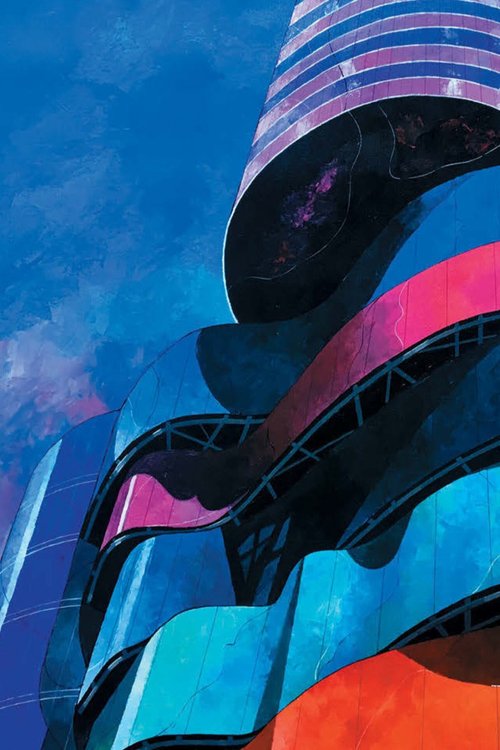 Why Not ColourFrom Wittgenstein to fMRI studies: what a century of research says about why architects shy away from colour on buildings.
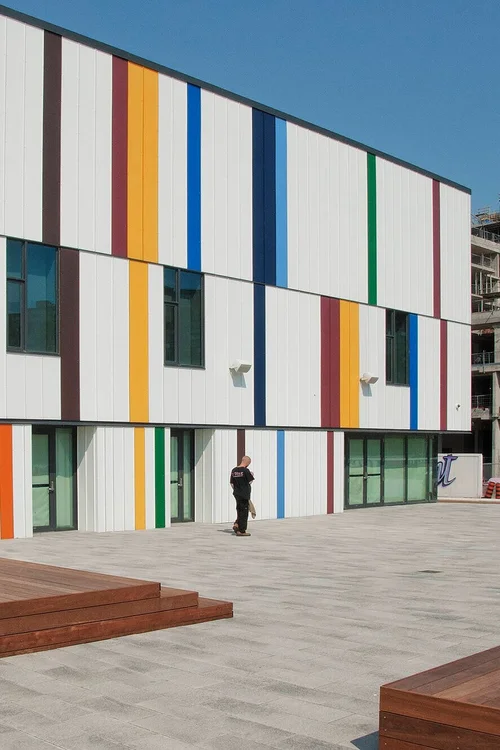 The On and Off Relationship of Architecture with ColourFrom the painted temples of antiquity to the white boxes of modernism: five hundred years of architecture's quarrel with colour, and why it still matters.
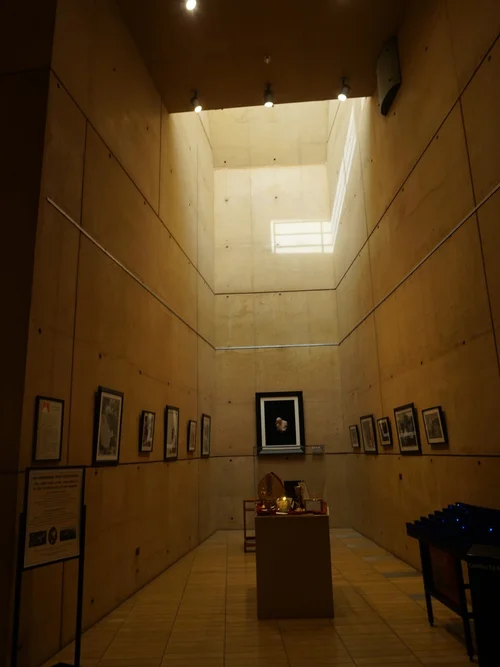 IntroductionFrom Genesis to Edison to the LED: a brief history of light and why no design element moves us the way it does.
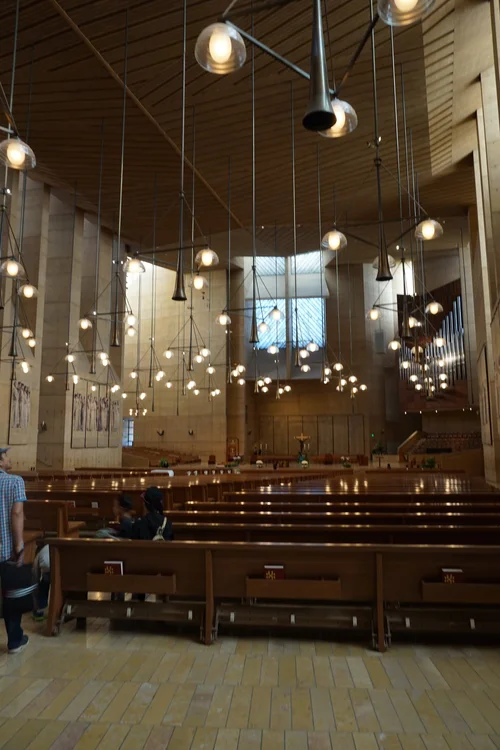 The Utility of Room LightingBright lights make shoppers spend more and dim lights make diners eat more: what research says about light, mood, and behaviour in interiors.
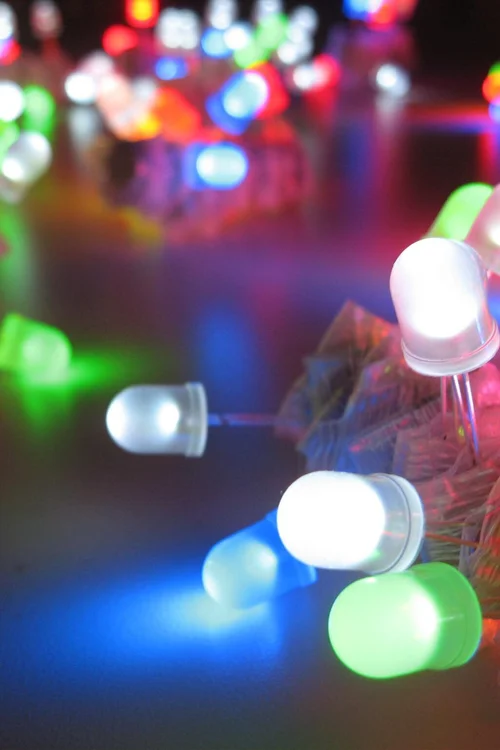 From Humble Beginnings to Total Domination, LED is Growing UpFluorescent, halogen, metal halide, all gone: a lighting designer’s tour of the LED takeover, from the 1994 white-light breakthrough to fixtures that sculpt space.
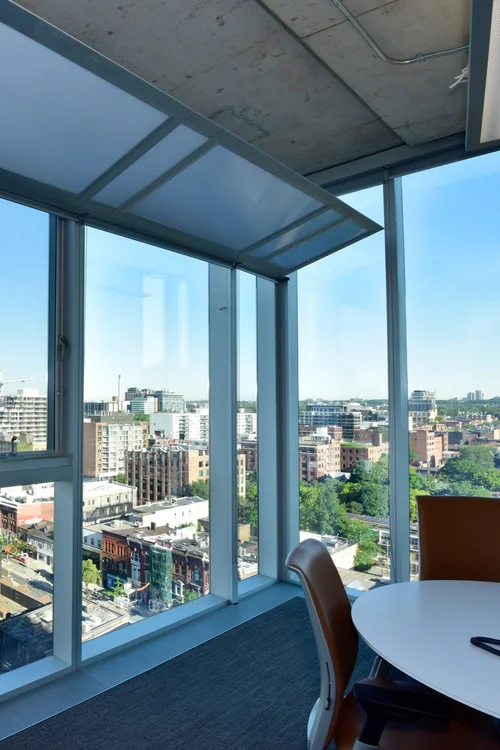 The Beauty and Function of Window TreatmentsA practical survey of window shades, from fabric types and operating systems to motorized scenes and daylight-harvesting light shelves.
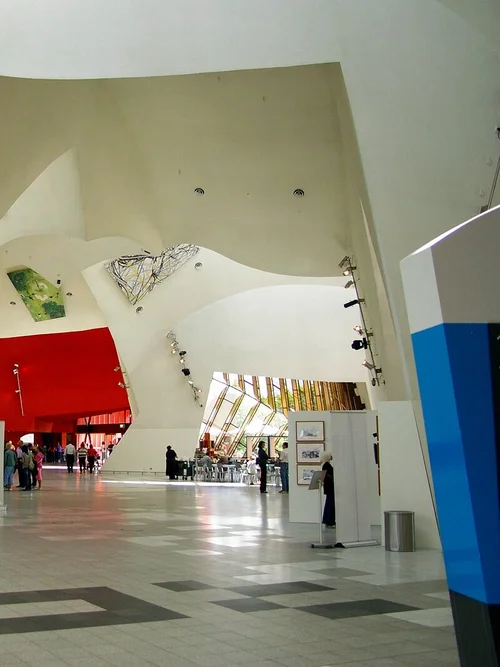 Resilience - Light: Magic or Method?Le Corbusier called architecture a play of masses in light, but is light magic or a measurable tool? A hard look at the most quoted sentence in architecture.
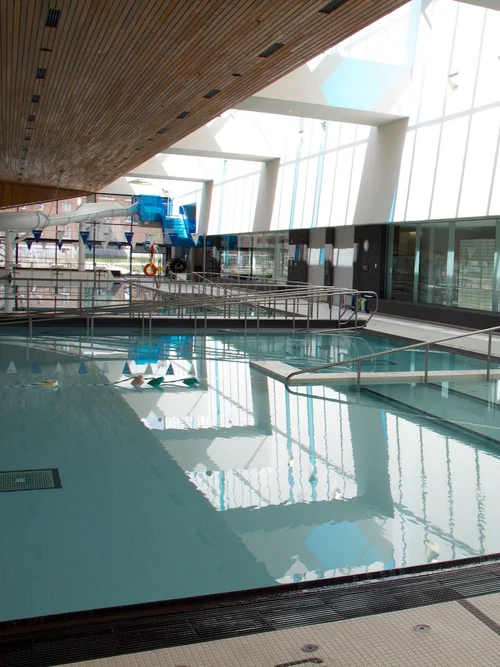 LocationsAt Toronto's Regent Park Aquatic Centre, shifting daylight turns a swim into an experience of time itself: on windows, natural light, and buildings that connect us to the world outside.
 Light-Colour-DarknessHospital birth rooms are designed as clinical machines, but light, colour and darkness shape the birthing body: a researcher on reinventing birthspace.
Materials, Craft & Making
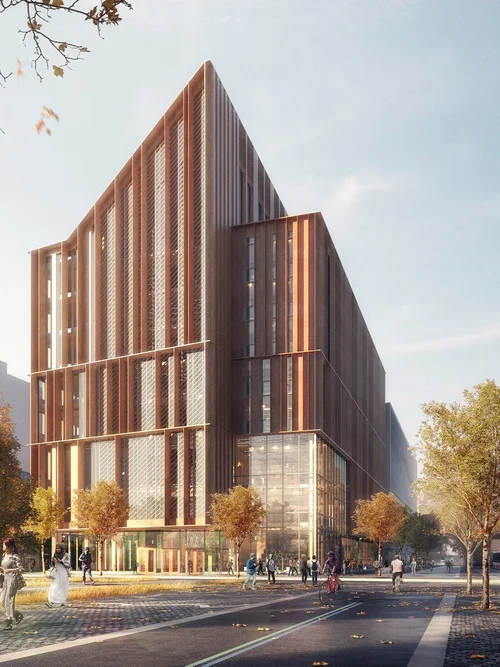 Wood Works - Tall WoodHow wood became a space-age material: the code changes, the carbon math, and the Ontario projects pushing timber towers skyward.
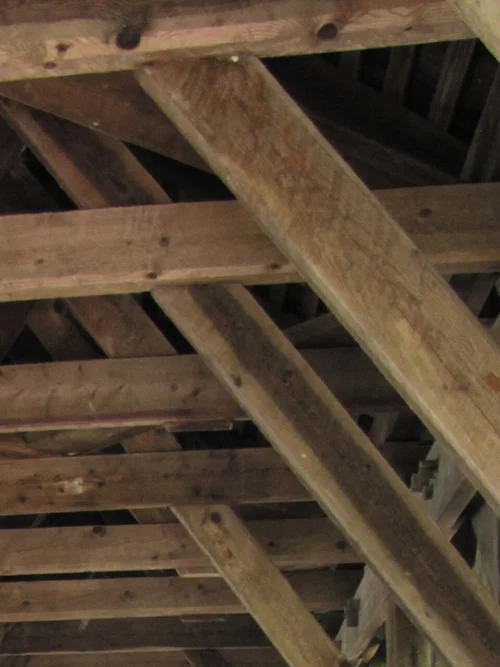 Resilience: Wood for the Modern AgeCross-laminated timber is a terrific technology being sold the wrong way: why the future of mass timber is six storeys on the avenues, not wooden skyscrapers.
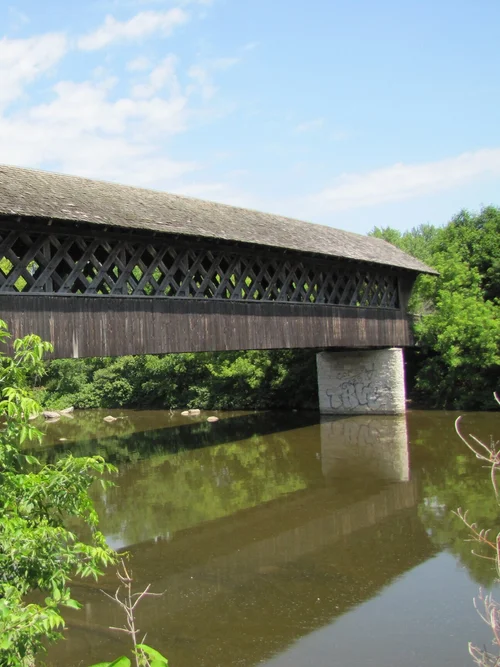 Location: The Guelph BridgeFour hundred timber framers raised a 132-foot pedestrian bridge in Guelph in five days: on covered bridges, the Howe truss, and the social joy of raising a timber frame by hand.
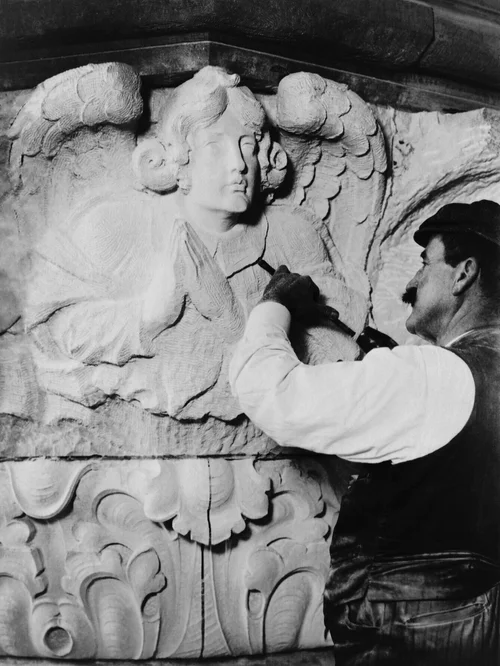 Carved in StoneThe story of Louis Temporale, once described as Canada’s leading stone carver, and the Ontario tradition that made sculpture part of the building itself.
Practice & Profession
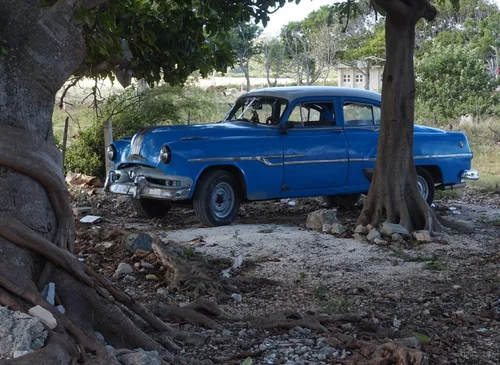 The Profession 1: Architecting Without ArchitectsObsolescence is a natural process and everything has a lifespan: the unsettling question of whether the architectural profession is letting its own slide.
 The Profession 2: Architecture RedefinedA UX designer, skateboarder, and photographer who never trained as an architect argues the profession's definition is too narrow: architecture is what happens when design meets experience, digital or concrete.
 IntroductionMost people can’t say what architects actually do, so this series starts from the premise that asking the right questions is the architect’s most basic tool.
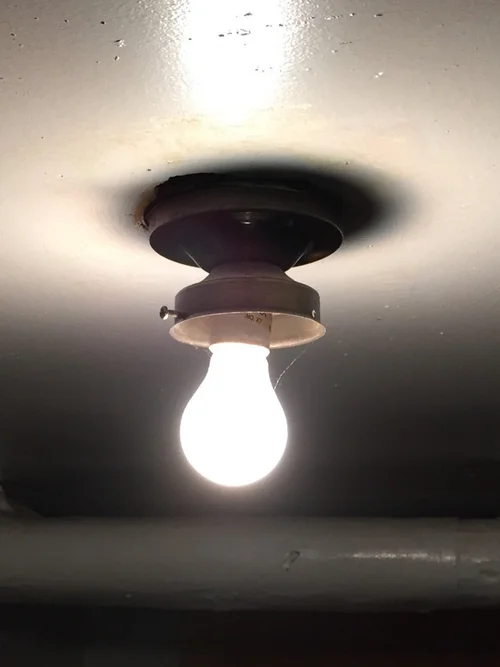 Question No. 1:Question one of six: what the old lightbulb joke reveals about architects, who answer a simple question by asking a deeper one.
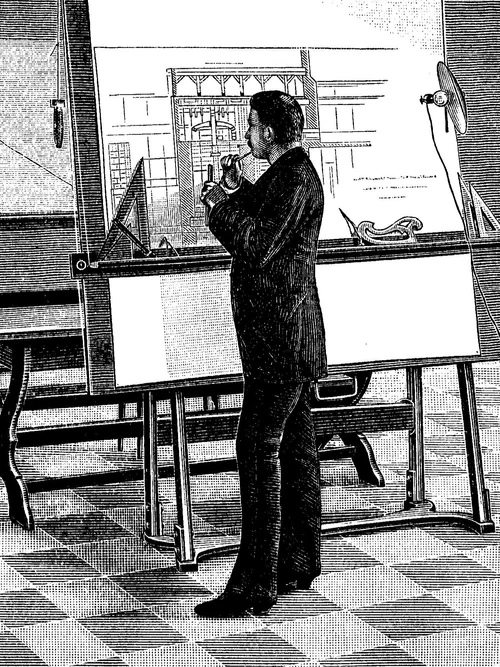 Question No. 2:What does it mean to call yourself an architect? From 'a way of thinking about life' to 'the art of how to waste space', eight famous architects offer their answers.
 Question No. 3:What kind of life partners do architects make? A tongue-in-cheek advice column consults TV architects, movie architects, Louis Kahn's three families, and two architects married to each other.
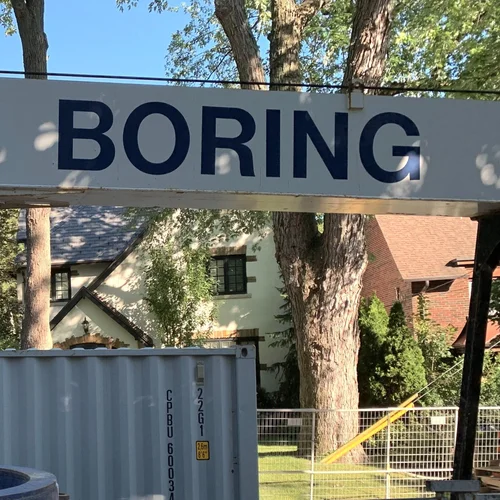 Question No. 4: (Part 1)Architects act as if excitement were unprofessional, then wonder why nobody cares: on why architects should write about their own work, with feeling.
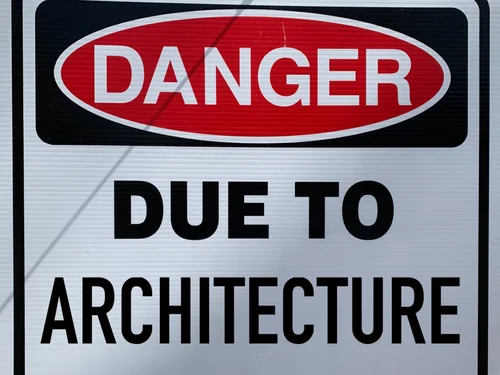 Question No. 4: (Part 2)Shouldn't architecture be more exciting? A tour of the profession's perils, from Stanford White's murder to Gaudi's tram, suggests the excitement is the wrong kind.
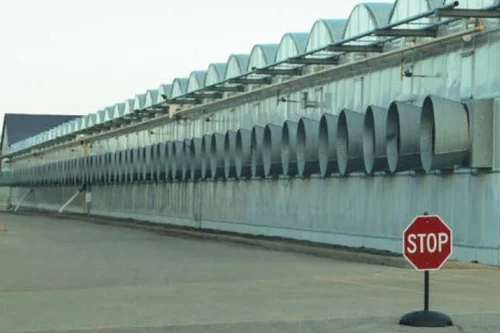 Can I Biggy Size Your Building?From Nevada fulfillment centres to Dutch greenhouses to luxury condo towers: buildings sized by economics instead of people.
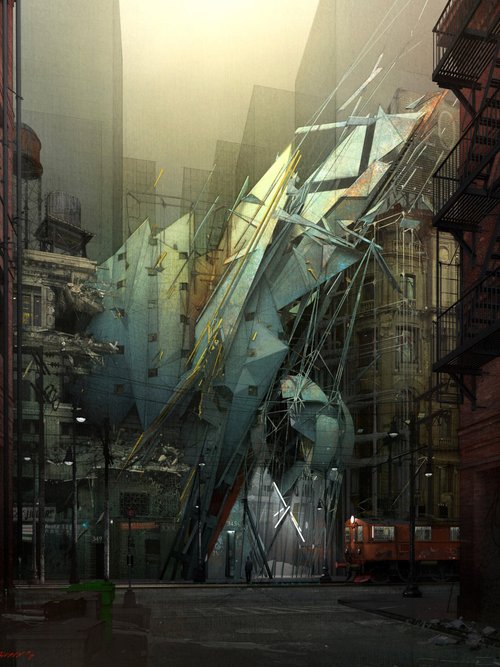 DrawingThirty years into the digital era, hand drawing refuses to die: on the debate, the competitions, and why the pencil still matters.
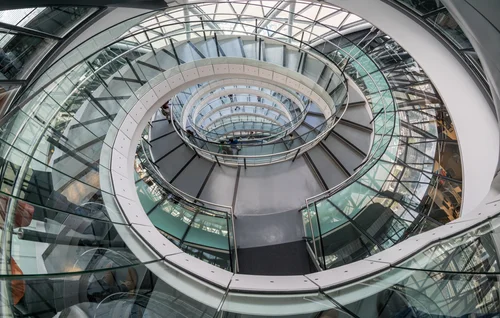 Resilience: HousePornArchitecture sells itself in pristine, generic, instantly forgettable money shots: on the commodification of the image and what it costs.
 UX and Architecture - Integrated Building Design... and More!What Canada's C-2000 program proved: an integrated design process can halve a building's energy use at little or no extra cost.
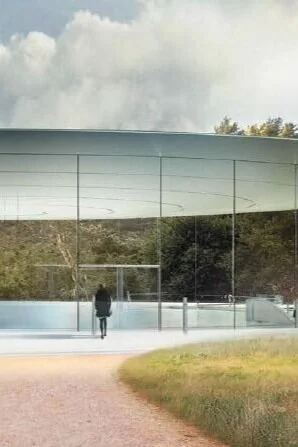 UX and Architecture User Experience vs. "Being Interesting"Apple Park's unhappy employees make the case: architecture is too often judged on being interesting rather than on how it feels to occupy.
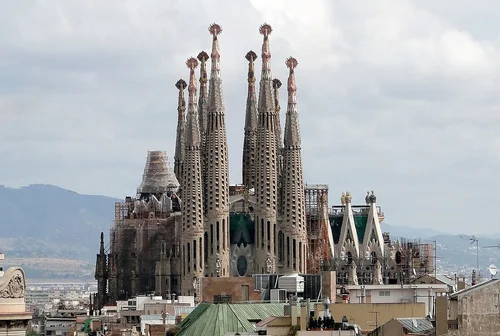 Why Aren't All Buildings Beautiful?Nobody sets out to design an ugly building, so why does the public keep calling architects' work ugly? On beauty, jargon, and the gap between the profession and everyone else.
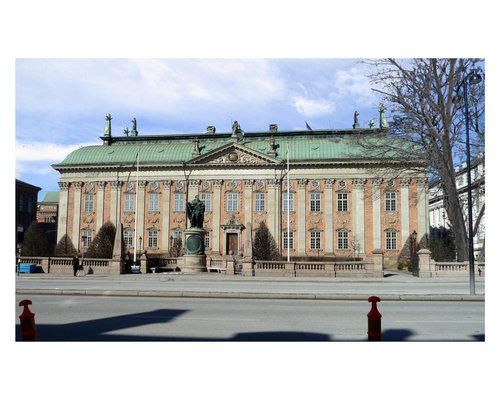 An Objective AngleArchitects rate buildings lower than everyone else does: what a survey of 75 respondents and the neuroscience of beauty reveal about why we find buildings beautiful.
 Resilience: The Forest and the TreesA green-building certificate records design intent, not long-term performance: real sustainability depends on years of decisions by owners and operators.
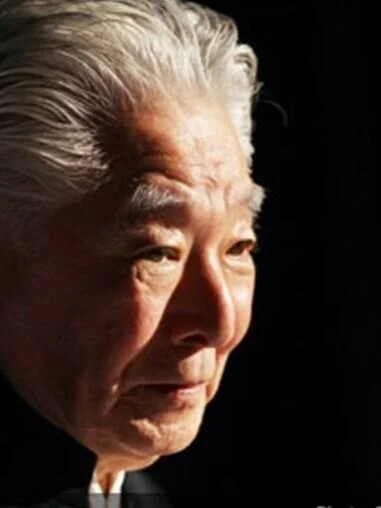 Introduction to: The Right Angle JournalRaymond Moriyama on the launch of The Right Angle Journal: what a quarterly can do that a magazine cannot, and what he hopes it becomes.
Public Space & Street Life
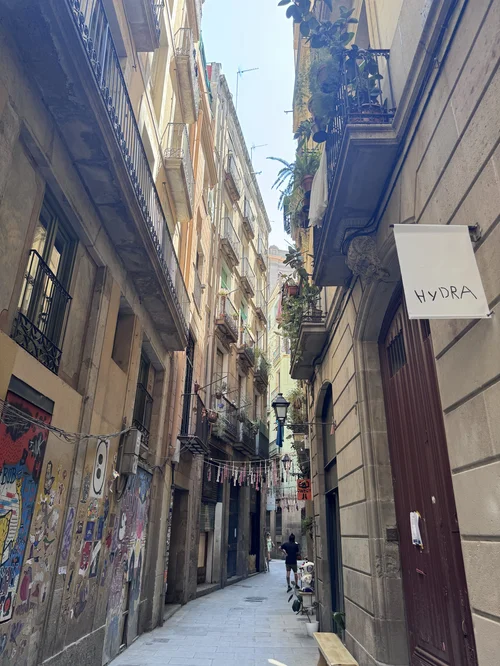 More Than LeftoverThe city lives in the seams: an Ottawa urban designer on why the space between buildings matters more than the buildings, and what European medieval streets teach about comfort.
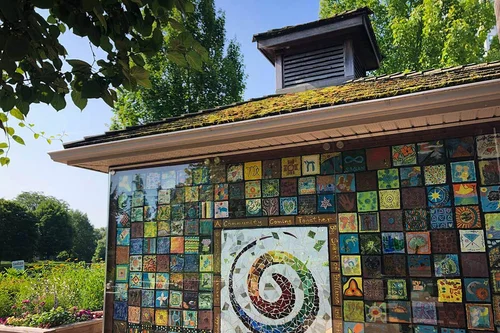 Guelph's Riverside ParkGuelph's Riverside Park at 120 years old: carousel, miniature train, floral clock, and the case for it as the city's most inclusive public space.
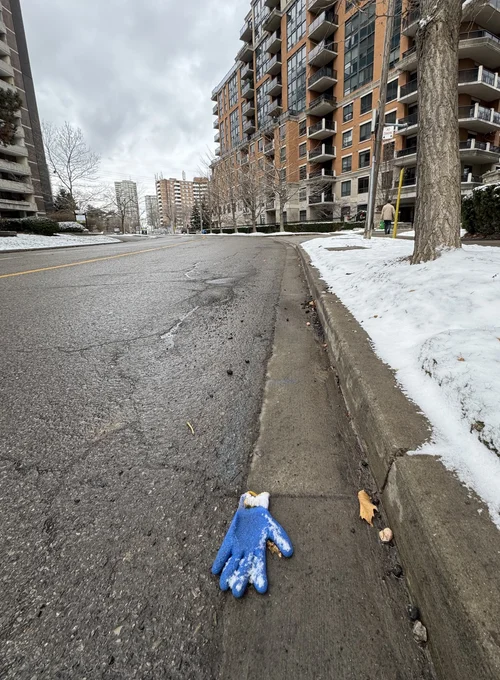 One Glove: Another Glove StoryA photography project documenting lost gloves on city sidewalks becomes a meditation on urban loneliness, and a case for emotional infrastructure over physical development.
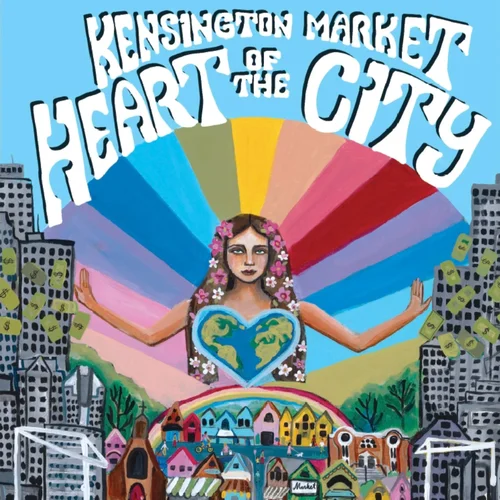 An Interview with Stuart ClarfieldKensington Market has kept its neighbourhood-ness for more than a century, built by waves of immigrants selling from front lawns; filmmaker Stuart Clarfield on what keeps it alive and what could kill it.
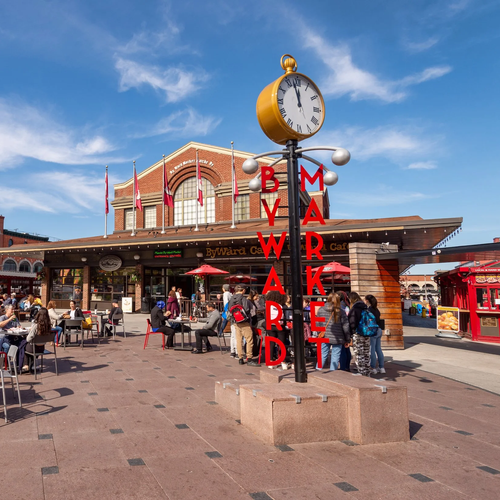 Maps We Carry, Cities We MakeOttawa's ByWard Market as a case for the maps we carry in our bodies: on pedestrianization, honest ground, and the small design decisions that let public life happen.
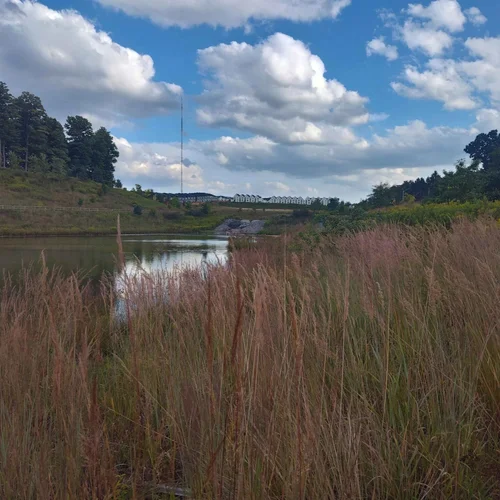 Regrowing Heritage ParkA Sarnia stormwater pond park is too manicured to be loved, so nobody uses it: a master's student's case for rewilding it and adding the cheap comforts that would make it a community hub.
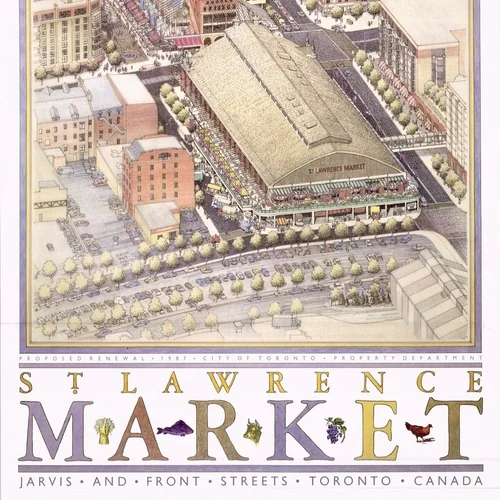 Sense of PlaceA poster drawn 38 years ago for a Toronto market that never got built: the 222-year story of the St. Lawrence North Market site, and what 'sense of place' really means.
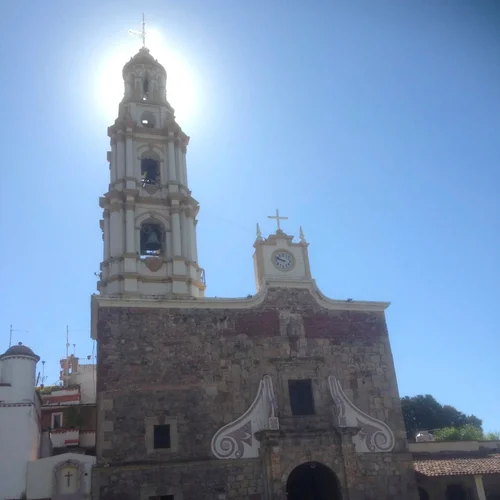 Ajijic, Mexico, “A Diamond in the Rough” (Best Left Undiscovered?)A retired landscape architect on Ajijic, Mexico: cobblestone streets, waterfront malecons, commerce everywhere, and the expat town that works best when left undiscovered.
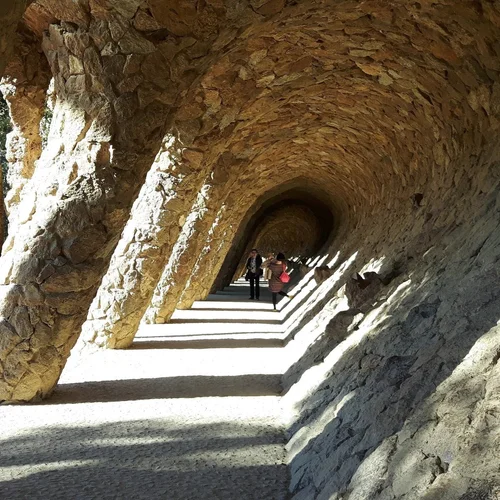 Park Güell, BarcelonaGaudí's mosaic hillside began life as a failed housing development: how Park Güell became Barcelona's most celebrated public space.
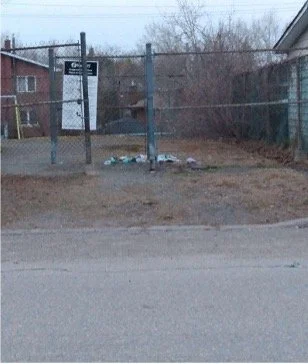 Little Britain Tot LotSudbury's Little Britain Tot Lot is neglected by the city but loved by its users: the case for a garbage bin, a gate, and saving a condemned log building.
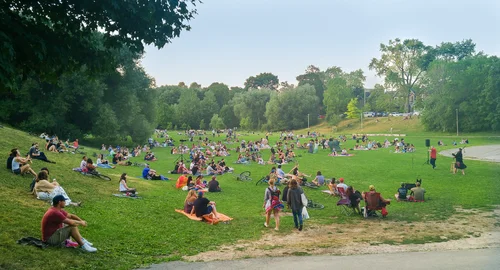 Quarantine in the City has Resulted in a New CollectivityA Toronto planner on how the pandemic turned porches, parks, rooftops, and empty streets into the city's new commons.
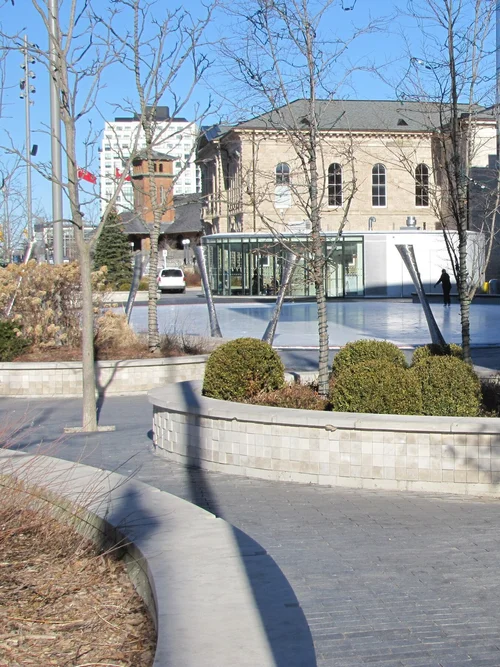 Guelph Market SquareA winter walk through Guelph's Market Square: how curving ovals, a skating rink and a glass pavilion turned a parking lot into the city's rallying place.
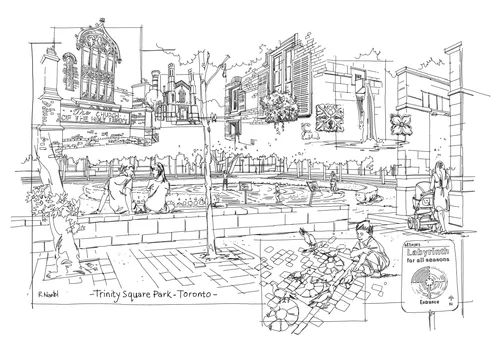 Locations: Trinity Square Park, Toronto ONTucked between a shopping centre, an office tower, and a church, Trinity Square Park is downtown Toronto's secret walled garden: on labyrinths, buried creeks, and the architecture of calm.
Storytelling & Narrative
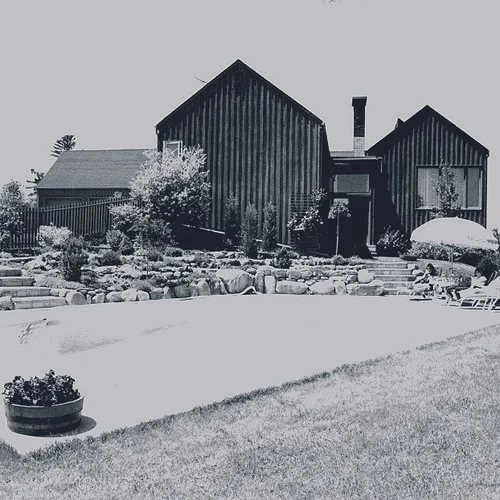 The True NarrativeToo many architects' design narratives are afterthoughts written in a language only architects understand: on writing the true story of a project.
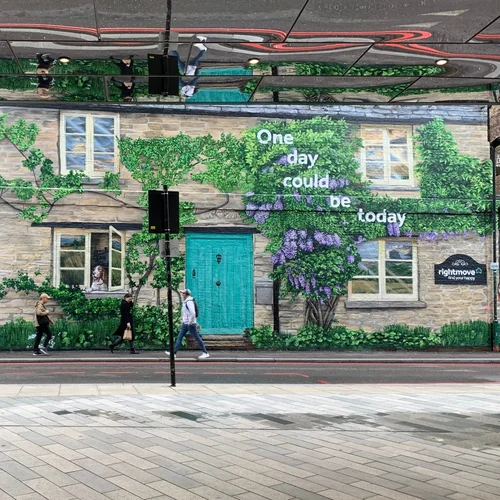 Architecture & StorytellingFrom Chauvet Cave to Victor Hugo, buildings have always told stories: Gordon Grice traces how architecture and narrative became bedfellows, and why there are still too few architectural stories well told.
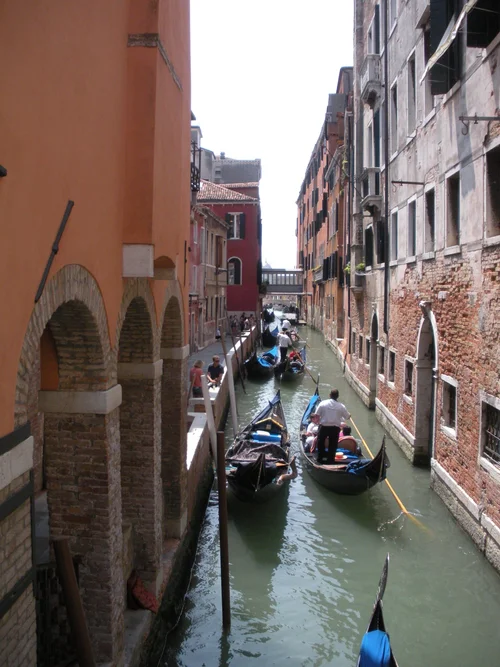 City Stories: Fact, Fiction and a Little of BothThree city stories in fact, fiction, and a little of both: Venice through Donna Leon's crime novels, Woking through H.G. Wells's Martians, and Toronto through its own coming of age.
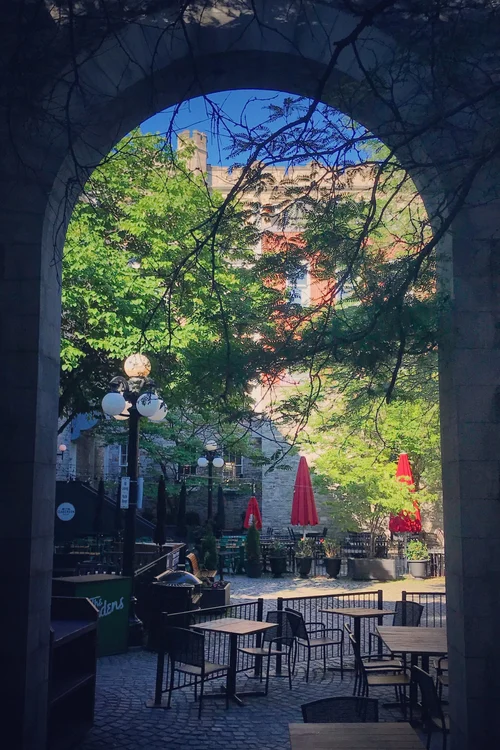 Architecture StorytellingWinning approval for a building is an act of storytelling: how architects can structure proposals the way stories are built, from setting to resolution.
Travel, Migration & Journeys
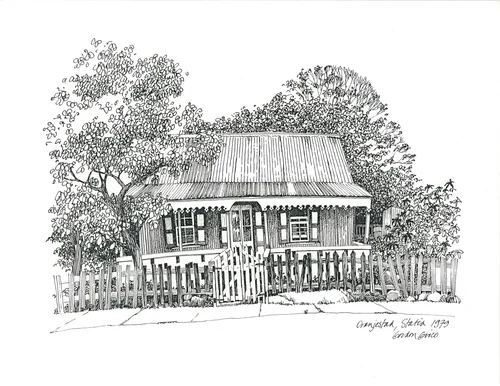 A Career is a Journey, not a DestinationFrom dish-tower cities at the kitchen table to a tropical 'retirement' in the British Virgin Islands to architectural illustration: the editor’s own winding career journey.
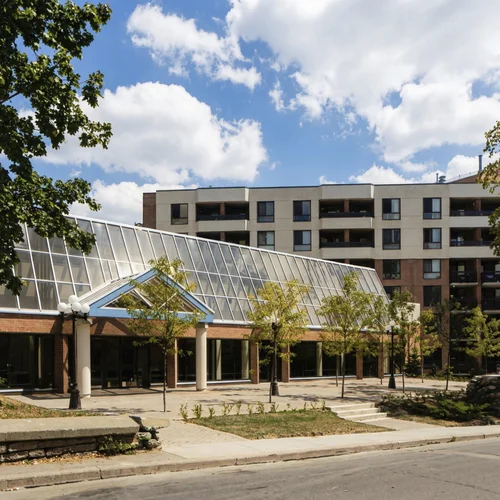 An Architect’s JourneyFrom a drafting table in the 1980s to the presidency of the OAA: Bill Birdsell traces fifty years of practice, from the Hellenic Home for the Aged to a self-built glass house in Guelph.
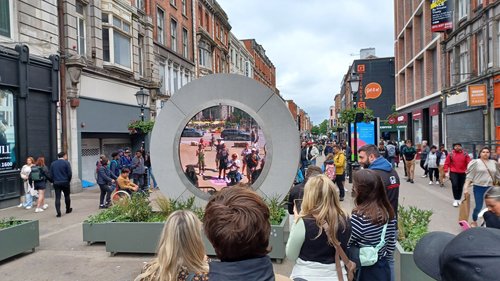 My Architectural JourneyA 25-year-old intern architect on the career he hopes to build: a thousand projects, a few good stories, and buildings designed for people instead of profit.
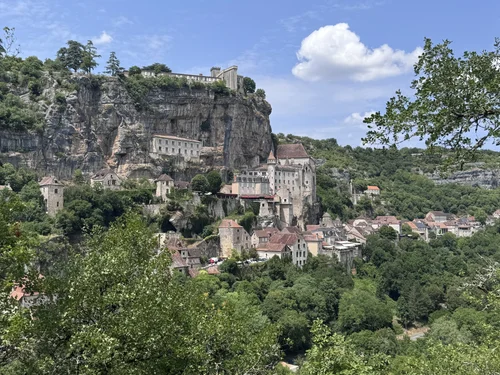 An Architect's PilgrimageA trip from Barcelona to Paris becomes a map of a career: from designing buildings to designing the life between them.
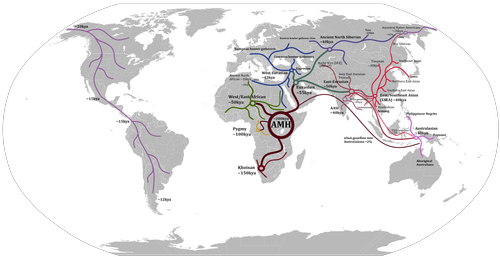 From Passage To Place: The Gallery Of Human MigrationMigration moves through beckoning, beginning, becoming, belonging, and so does architecture: a framework for how movement makes place.
 One Valley: Two GeometriesTwo millennia apart, the poet Ovid and the author were born ten kilometres apart in the same Italian valley. On exile, migration, and the geometries of belonging.
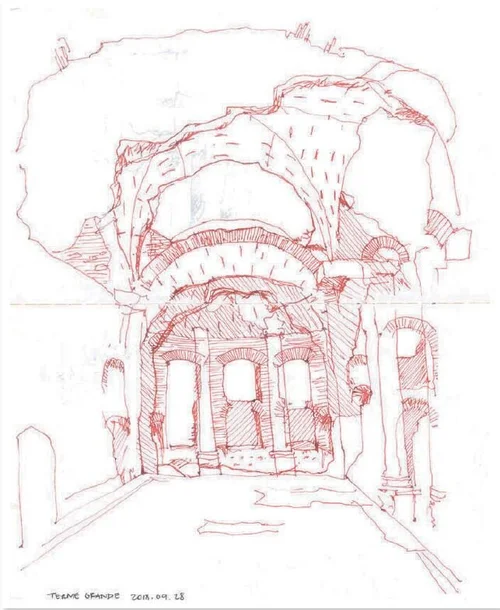 Locations - Grandi Terme, Hadrian's Villa, Tivoli, ItalyA Waterloo architecture student sketches the Great Baths of Hadrian's Villa, where ruined walls make a porous space no architect could design.
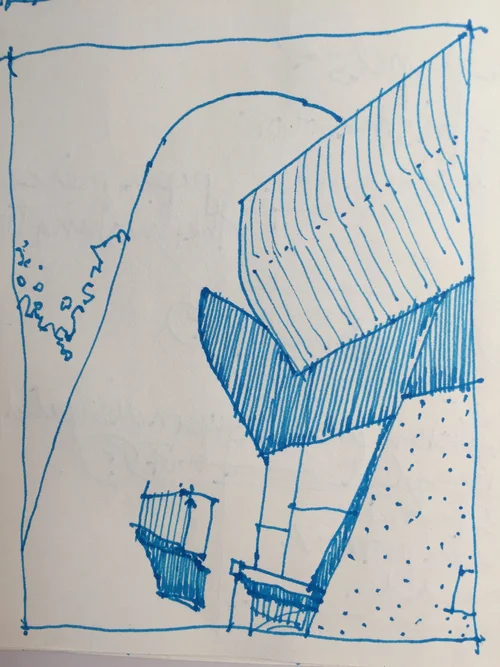 Two Excerpts from the Road to RonchampArchitects walk to Le Corbusier's chapel at Ronchamp: dragging suitcases over Lyon's cobblestones and tracing the original High Line in Paris.
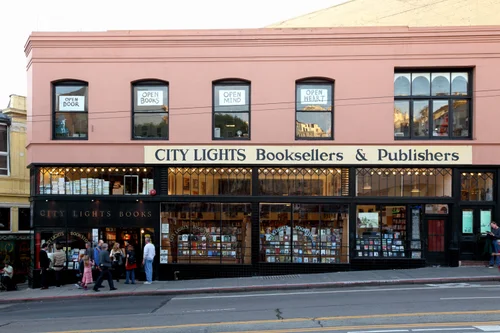 Locations: City Lights Bookstore, San FranciscoA pilgrimage to San Francisco's City Lights Bookstore, and the question of whether the specialness of a place can be designed or only earned over time.
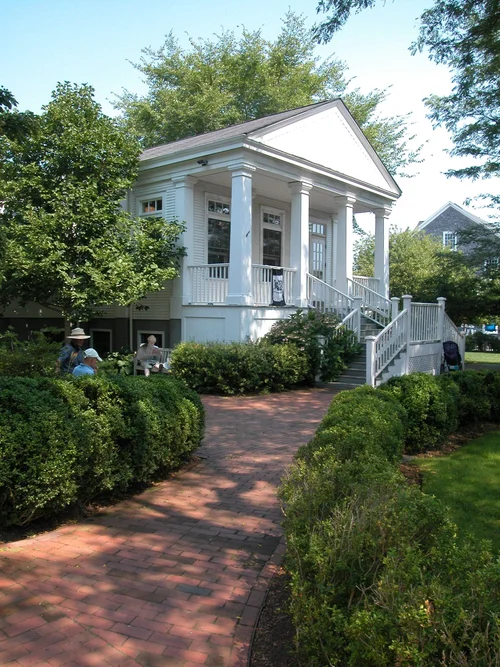 The Grey LadyNantucket’s fog, shingles and strict design rules offer an architect both an escape from practice and a lesson in putting context before ego.
Walking & the Senses
 An Environmental Experience | Walking and FeelingWe experience architecture at walking pace through all five senses: a blindfolded tour of Toronto and the case for designing the full sensory walk.
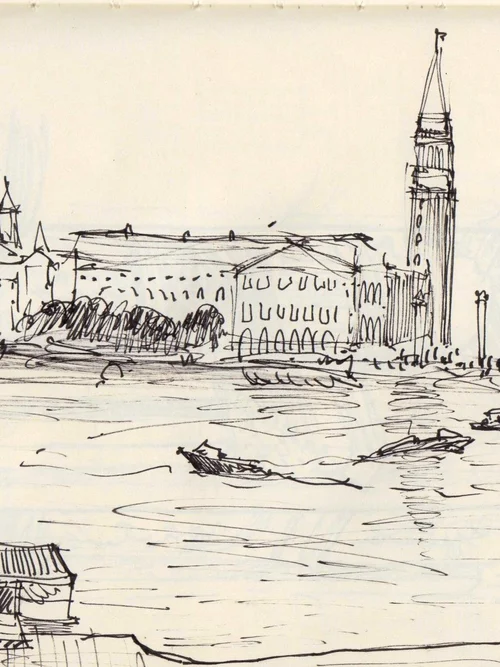 VeniceTen days of getting deliberately lost in Venice, where walking is the only transport and the rhythm of the feet becomes the rhythm of thought.
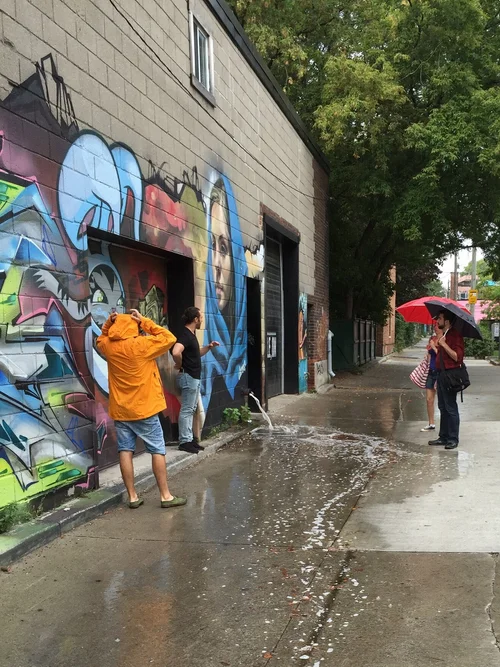 An Urban Sensory WalkA guided sensory walk through Toronto's west end, from a traffic-drowned amphitheatre to a hidden Victorian square, shows how much of the city we miss by only looking.
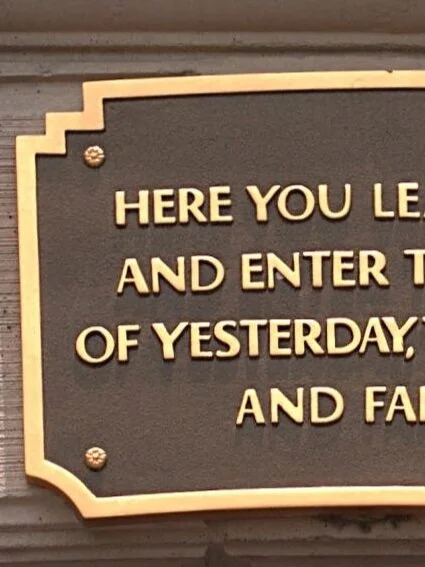 A Walk in the ParkFour researchers walk through Los Angeles theme parks to test an idea: that walking itself is a method of creative research.
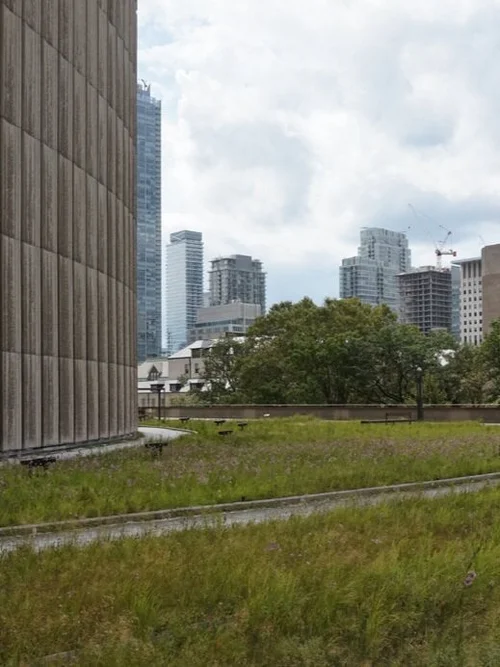 Locations | Blindfolded Tour: An Eye Opening ExperienceLed blindfolded through downtown Toronto on the end of an orange shoelace, the author discovers how texture, sound, and smell shape space when sight is taken away.
Water & Landscape
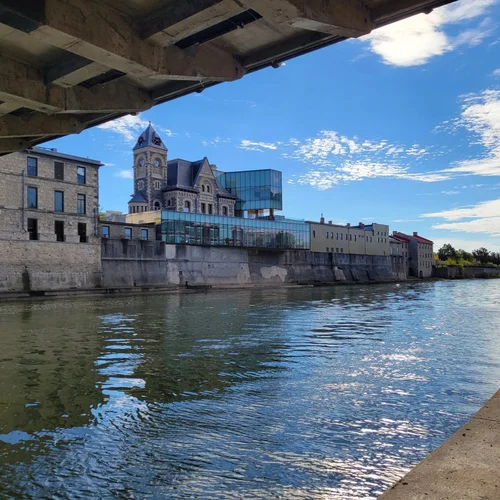 A City and a RiverThe 1974 flood that put downtown Galt under 18 feet of water, and what a teenager stacking sandbags learned about rivers, flood walls, and building with nature instead of against it.
 Locations: Discovering the HumberLocked down in 2020, the author rediscovers the river across the street: 12,000 years of Humber history, from Indigenous portage to a daily dog walk.
 The Architecture of WaterWater is both the architect's biggest liability and a rich design material: on plumbing, concrete, sea level rise, and the fountains in between.
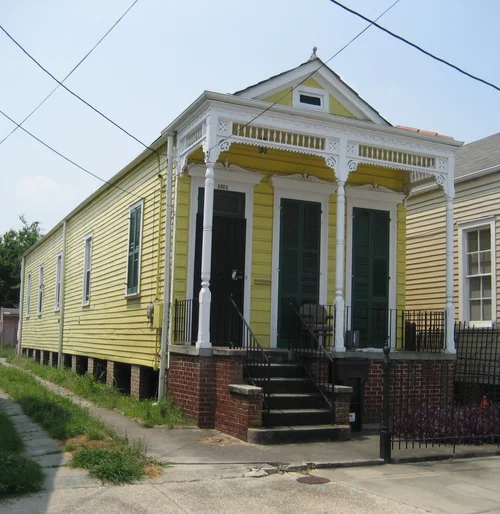 Water Has PowerAfter Katrina, New Orleans rebuilt its shotgun houses on stilts and lost their street life; amphibious foundations could save both the homes and the neighbourhoods.
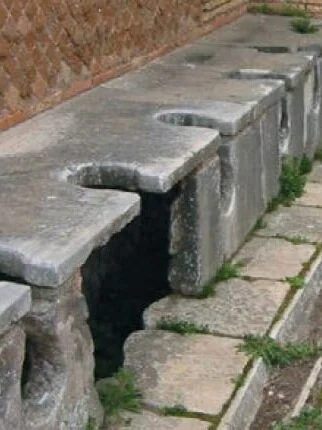 The Bathroom - An IntroductionFrom Neolithic Orkney to the S-trap: a brisk history of the bathroom, the room that drinks 65 per cent of household water while 2.6 billion people lack safe sanitation.
 Locations - VeniceVenice has survived seventeen centuries of sieges and occupiers; now it faces rising water, cruise ships, and mass tourism. A dispatch on the Floating City's latest inundation.