What Cannot Be
By Rocco Maragna, MRAIC
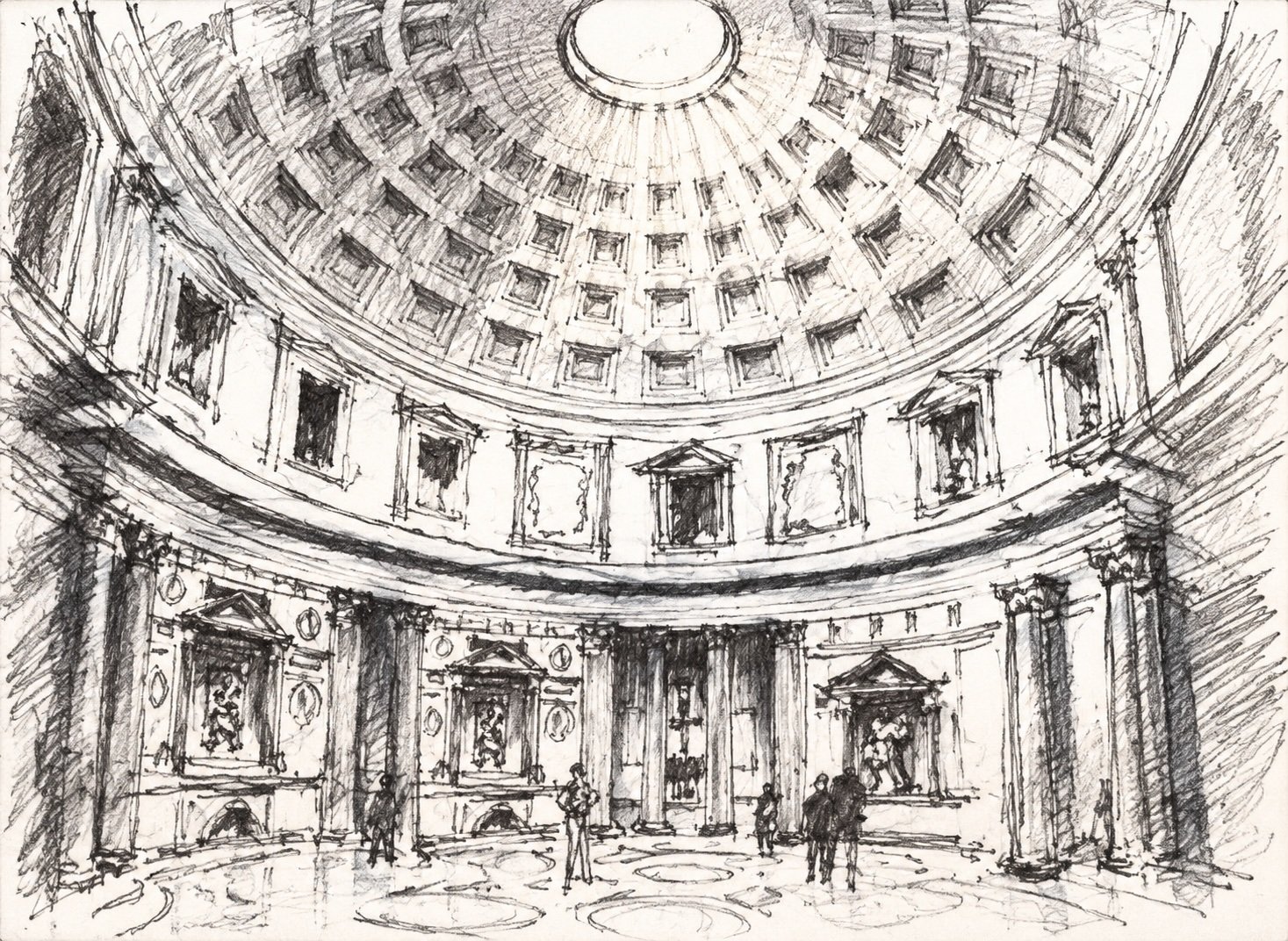
The Pantheon. Sketch by Rocco Maragna.
We stand beneath the dome of the Pantheon and feel the immense vastness above us. We enter a Gothic cathedral, a single ray of sunlight finds us, and we think of the divine. We find ourselves alone in Piazza San Marco in the stillness before dawn and marvel at its void. We sit in an atrium house and feel its quiet embrace. We walk beneath a grove of trees in the darkness and reach for the stars. We drift in a canoe across a placid lake and hear, somewhere beyond the mist, the haunting call of a loon and become entranced.
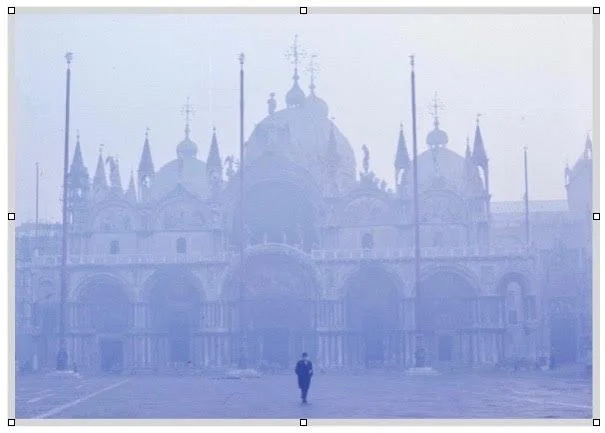
Piazza San Marco, Venice. Photo by Rocco Maragna.
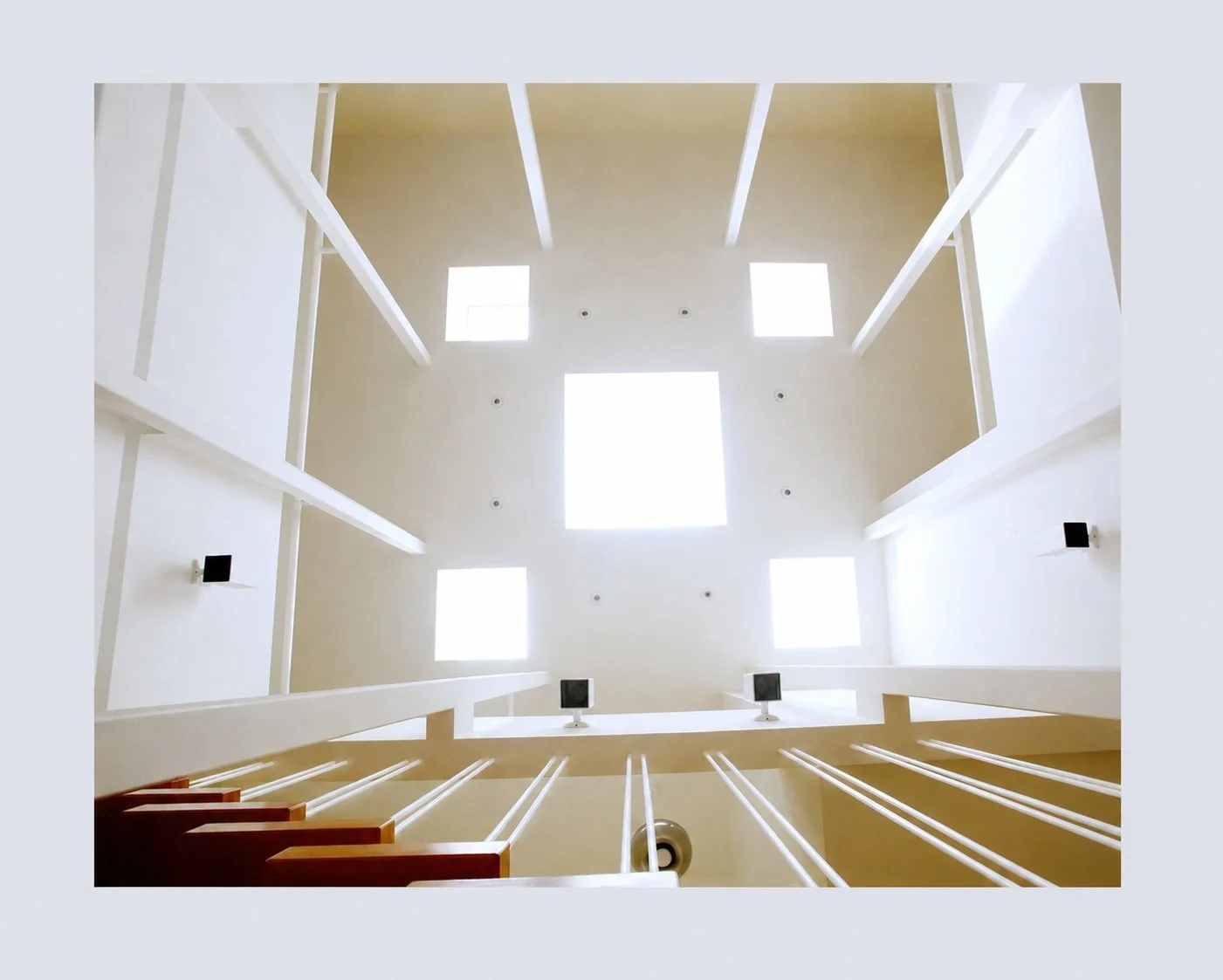
Atrium of the Clay House. Photo by Rocco Maragna.
Something happens, although we cannot always say what it is. The senses are at work: We see, hear, touch, smell. Sometimes one sense is enough; more often several converge, yet what we experience seems to exceed their sum. We enter a church and think of the sacred; we hear Mozart and are moved by something we cannot put into words; at the funeral of someone we love, tears come before thought. We look into the night sky and see the Milky Way stretching beyond comprehension.
What is it? Is it in the thing itself—the architecture, the music, the person we have lost, the stars, the landscape—or is it within us?
The senses do not create the experience so much as awaken something already there. They are the means by which the world reaches us, the catalyst that brings us into contact with something within ourselves that ordinary perception cannot quite name.
I have begun to wonder whether this is what we mean by spirituality.
Did we create spirituality, or did we create the word for something we discovered within ourselves? Long before we built churches and temples, human beings buried their dead, marked places, gathered together, returned to certain stones, caves, springs, mountains and groves, and looked toward the heavens. We made objects, gestures and rituals through which something that could not be seen might nevertheless be acknowledged. Eventually, we began to build for it, and the sacred entered architecture.
A threshold separated one world from another; a wall enclosed a space apart from the ordinary; an opening admitted light from above; a column rose toward the sky; a dome gathered the heavens into a single interior. Architecture gave permanence to something that had no physical form. Yet the building did not create the sacred. It gave the sacred somewhere to happen.
This distinction has mattered to me as an architect. I learned it not as a theory but through making places.
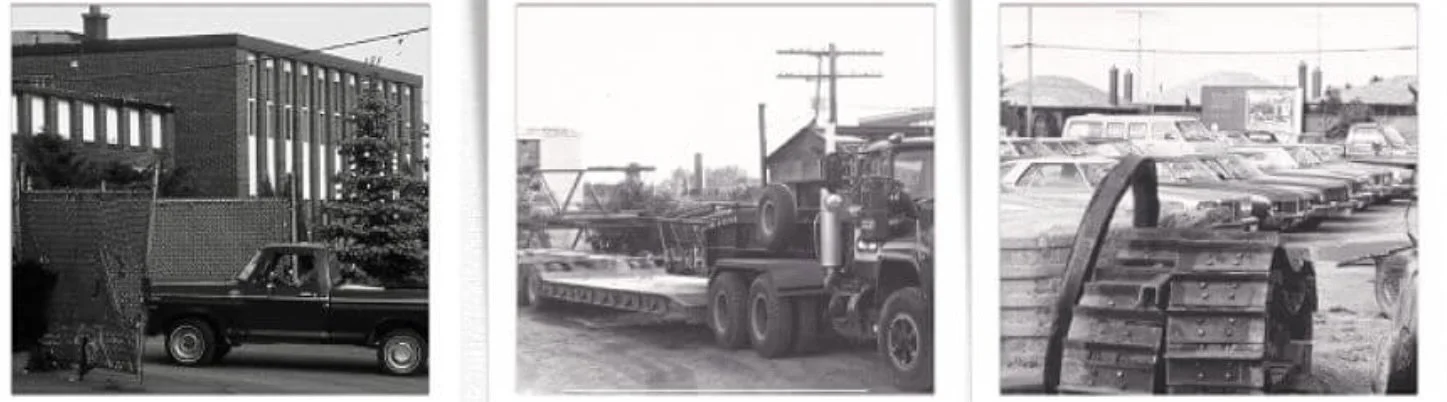
St. Fidelis Church: the existing industrial building. Photos by Rocco Maragna.
When St. Fidelis Church was conceived, my task was to transform an existing industrial building into a place of worship. Before it was consecrated, it smelled of machine oil, reverberated with blasphemy, and witnessed injuries. It had no obvious claim to the sacred. It belonged entirely to the everyday world. Yet within it we sought to create a space in which people could gather, pray, reflect and encounter something beyond the ordinary. The light, the transformation of the interior, the relationship between the old building and its new purpose—all were means of preparing the space. None of them could manufacture the experience.
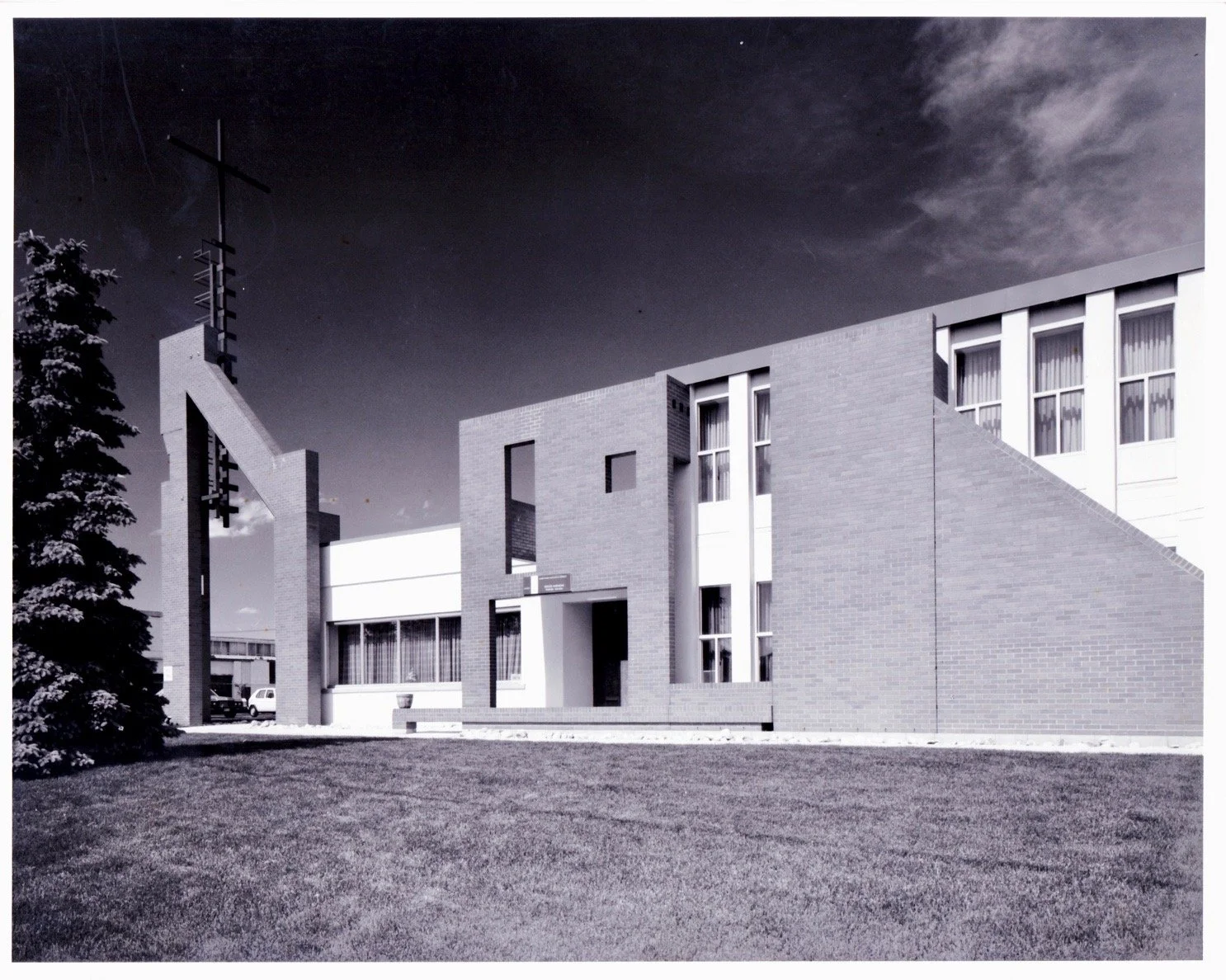
St. Fidelis Church exterior. Photo by Rocco Maragna.
That was the paradox of the work.
As an architect, I was asked to make a church, yet the thing that mattered most could not be drawn, measured or built.
I could shape the walls, place the light, establish the threshold and give the congregation a place in which to gather, but I could not draw the moment when a person might feel touched by something beyond the physical world. I could only prepare the conditions for it.
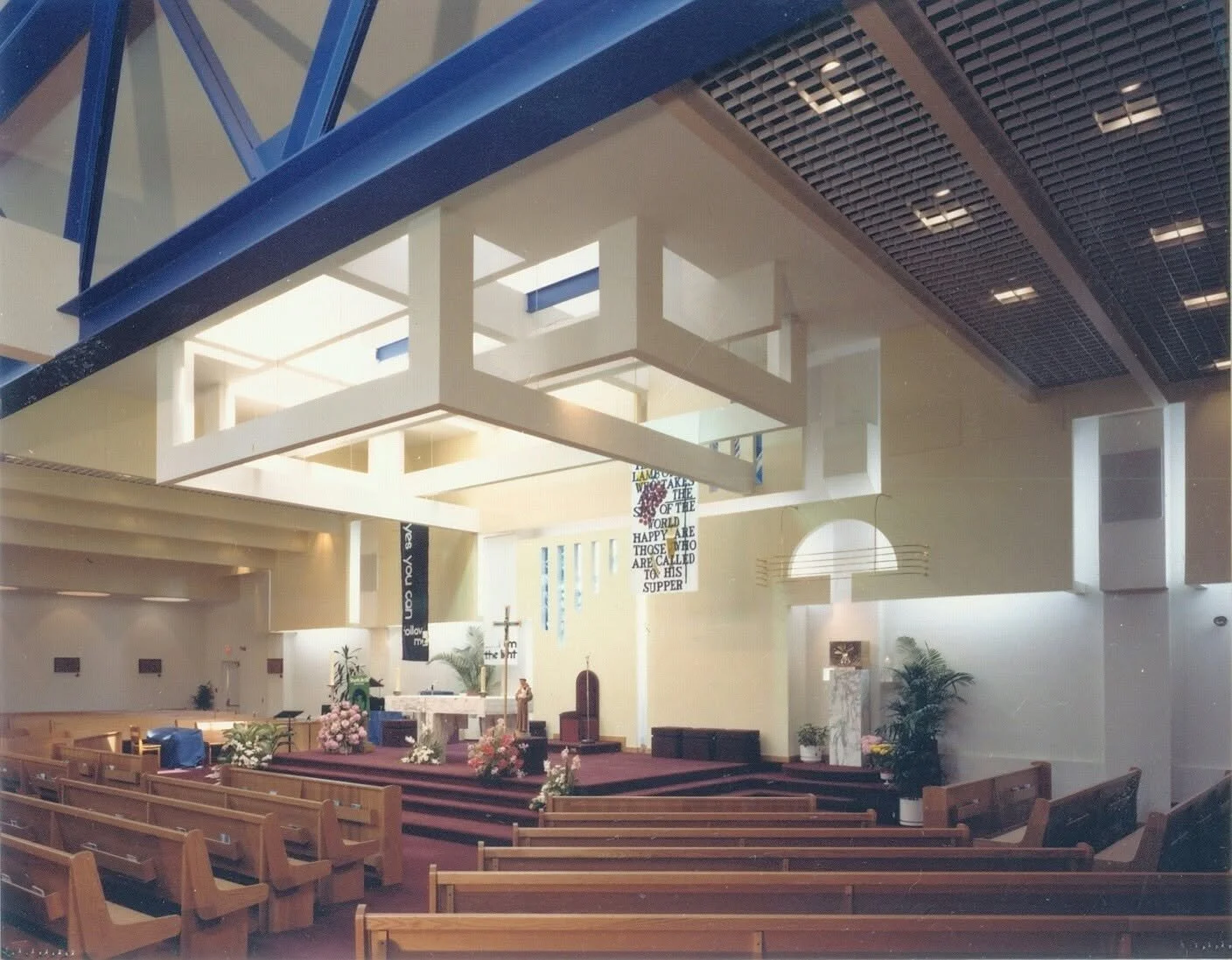
St. Fidelis Church sanctuary. Photo by Rocco Maragna.
The same realization returned to me years later in an entirely different setting. It found its way into my manuscript “Dancing in the Mist,” where the Wanderer encounters His Holiness John Paul II. I had imagined the encounter within the architecture and ceremony of the Vatican, surrounded by all the accumulated signs of sacred authority, yet what mattered in the moment was not the grandeur of the place or the institution it represented.
The encounter became human. The distance created by office and ceremony narrowed, and the Wanderer was addressed not as an abstraction but by the name his mother had given him.
The sacred, in that moment, did not seem to reside in the architecture, the robes, the ceremony or even the office. Those things created the setting, just as the architecture of St. Fidelis created the setting for worship, but neither could produce what passed between two human beings.
The setting prepared the encounter; the encounter itself belonged to something deeper.
This is what architecture has taught me about spirituality.
We can make a place for an experience without being able to make the experience itself.
We can frame it, intensify it, give it light and silence, bring people together within it, but what finally occurs belongs to those who enter.
This may explain why the experience is not confined to churches.
Mozart needs no altar. The Milky Way needs no dome. The cry of a loon needs no stained glass.
Grief needs no architecture. Yet each can bring us to that same uncertain threshold where the five senses seem to open onto something more.
The most powerful spaces are not necessarily those that tell us what to feel. They leave something unresolved.
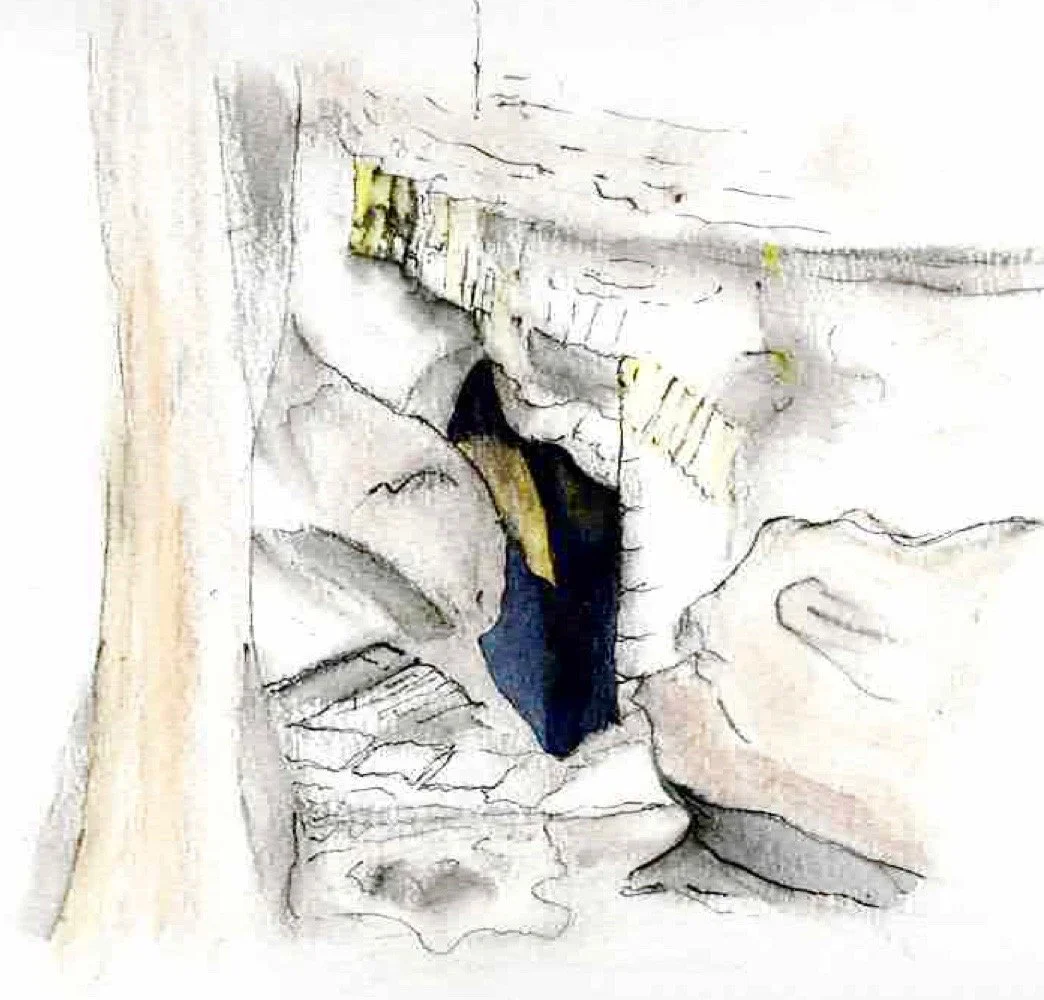
La Verna. Sketch by Rocco Maragna.
I experienced this at La Verna.
High above the Casentino Valley, the monastery of Saint Francis occupies a place where stone, forest, silence and sky seem to withdraw from the ordinary world. I arrived knowing its history, knowing that Francis had come here, knowing that this was the place associated with his stigmata. I knew what I was supposed to know, but knowledge is not experience.
I returned in late autumn. I left the car below and walked upward toward the monastery, wrapped in a blanket and wearing sandals, imperfectly trying to place my body in another time. Patches of snow remained from the night before. The cold entered through the sandals and rose from the ground, yet with every step I felt less like a visitor and more like someone retracing a path that another had walked centuries before.
I stopped beneath an ancient tree and sketched while a monk sat in the cave nearby. The cold was there, but it no longer seemed to be the only thing there. The ground beneath my feet, the forest, the stone, the silence and the knowledge of what remained of Francis's presence had begun to gather into something I could not separate into its parts.
Later, I entered the cave and knelt, not as an act of ritual, but as an act of recognition. The monk looked at me and smiled. No words were necessary. What had happened there?
Was it the place, the story of Francis, the cold, the stone, the silence, the act of retracing his steps? Or had these things simply brought me into contact with something already within me?
La Verna made me think again about the catalyst. The stones did not contain the experience; they created the conditions in which something within me could respond. The place did not tell me what to feel. It opened a space in which I could encounter something I had brought with me without knowing it.
The Pantheon, the Gothic cathedral, Piazza San Marco, the atrium house, the grove of trees, the lake and the distant call of the loon are all different encounters, and yet they can open the same interior space. So can a church, a piece of music, the death of someone we love, a mountain, a memory, or a place we have carried across an ocean.
We cannot say precisely where the experience resides. It seems to belong neither entirely to the world nor entirely to ourselves. It occurs somewhere in the encounter between the two, when something we see, hear, touch or remember reaches across the boundary between the visible and the invisible and awakens a response for which we have inherited a word: spirituality.
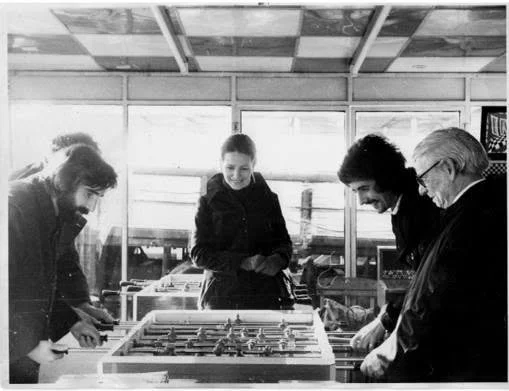
Rocco Maragna (second from right) playing foosball with Louis Kahn in Venice. Photo supplied by Rocco Maragna; photographer unidentified.
Rocco Maragna is a (ret.) architect, writer and founder of the Gallery of Human Migration.