An Architect’s Pilgrimage
By Christopher Moise OAA FRAIC
Last summer, I went on a pilgrimage, although I didn’t realize it at the time.
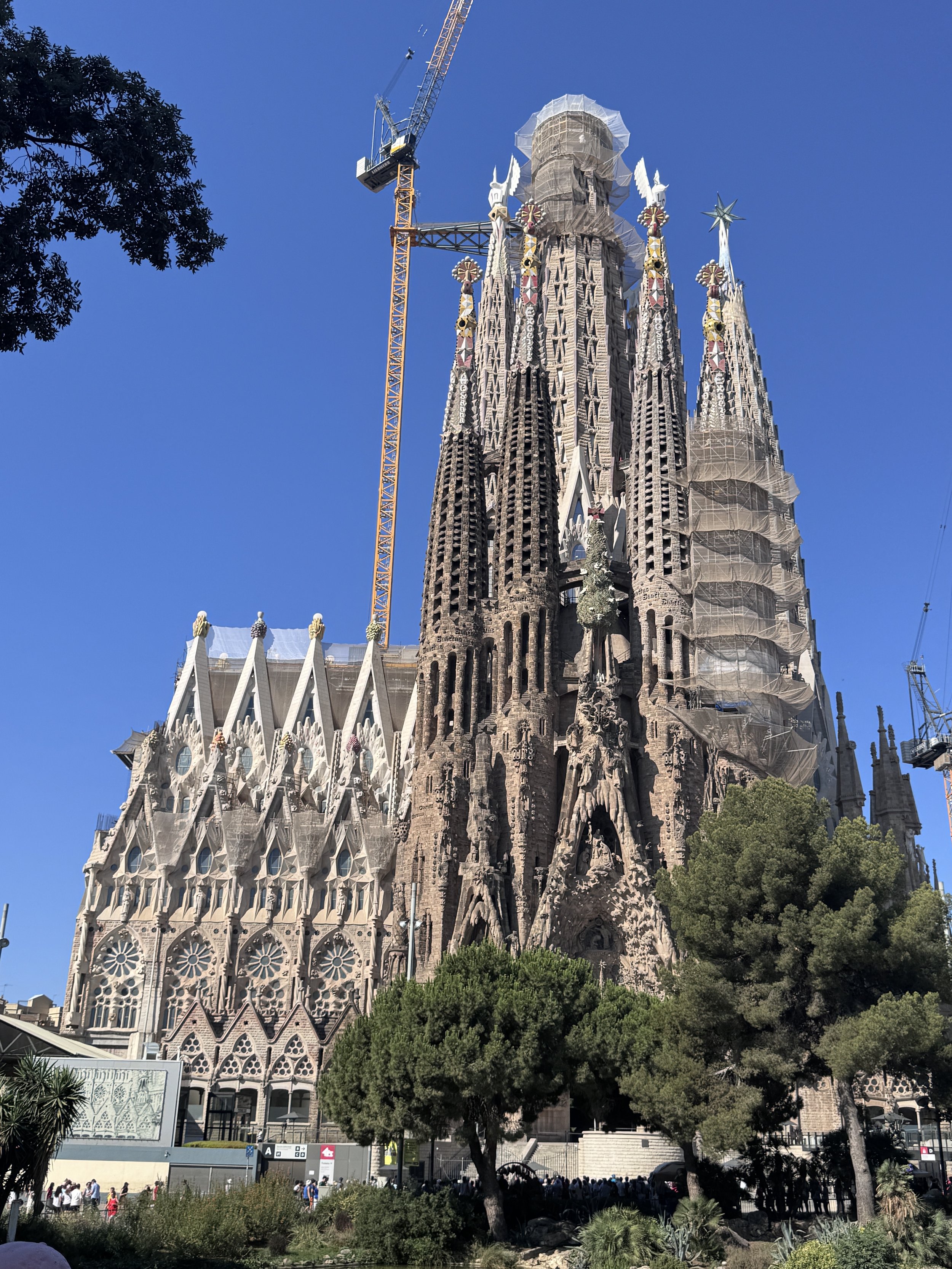
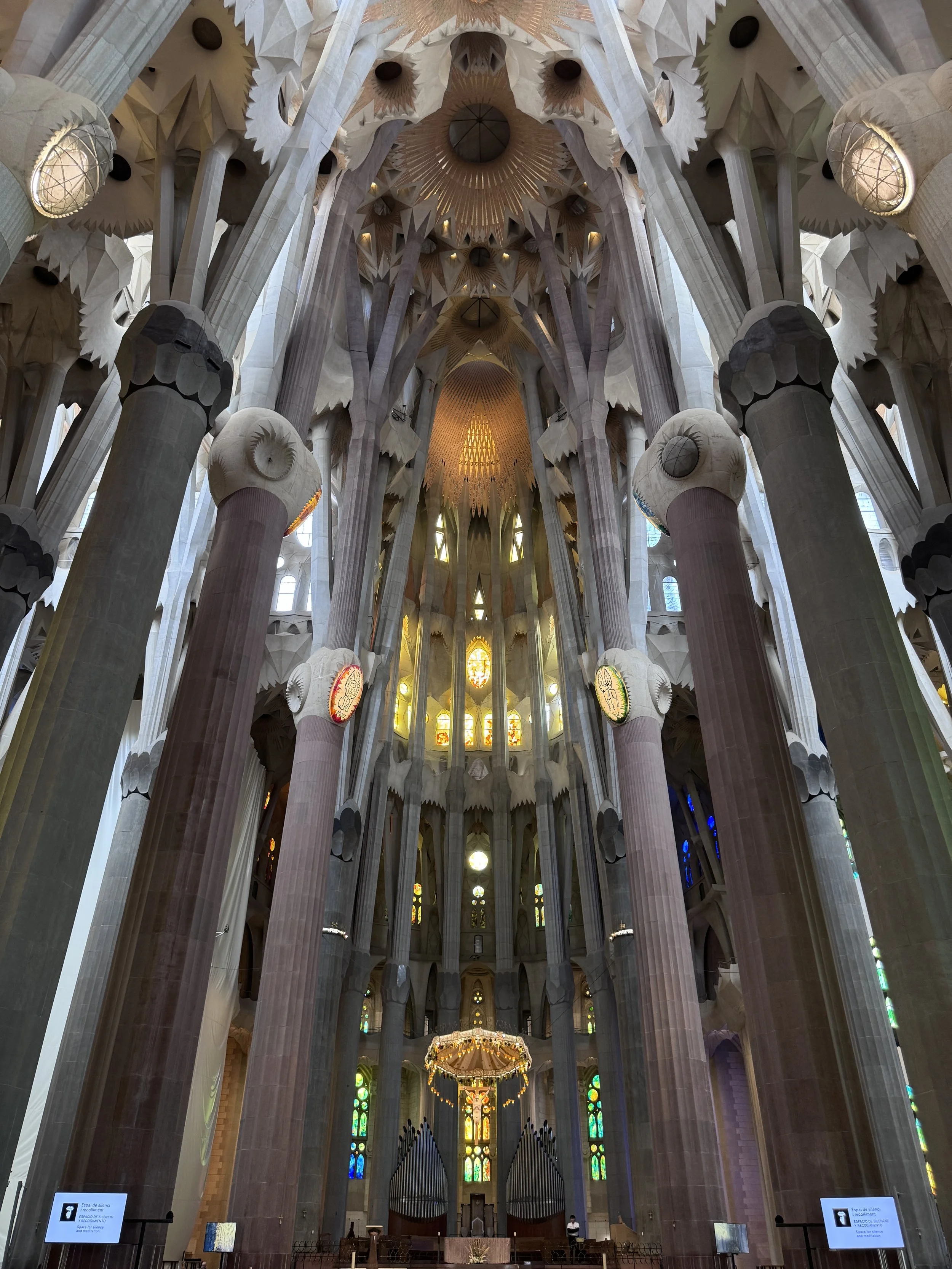
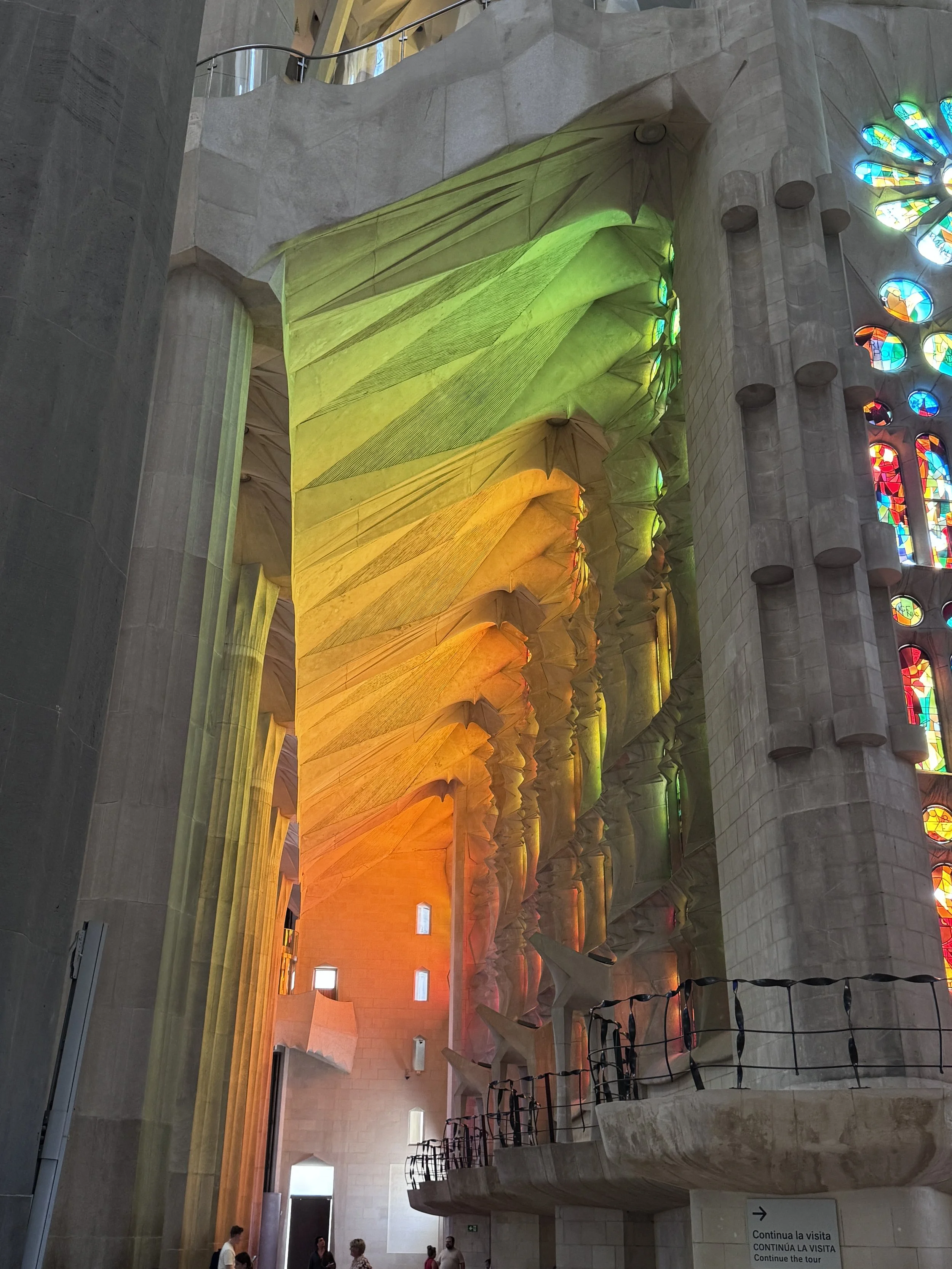
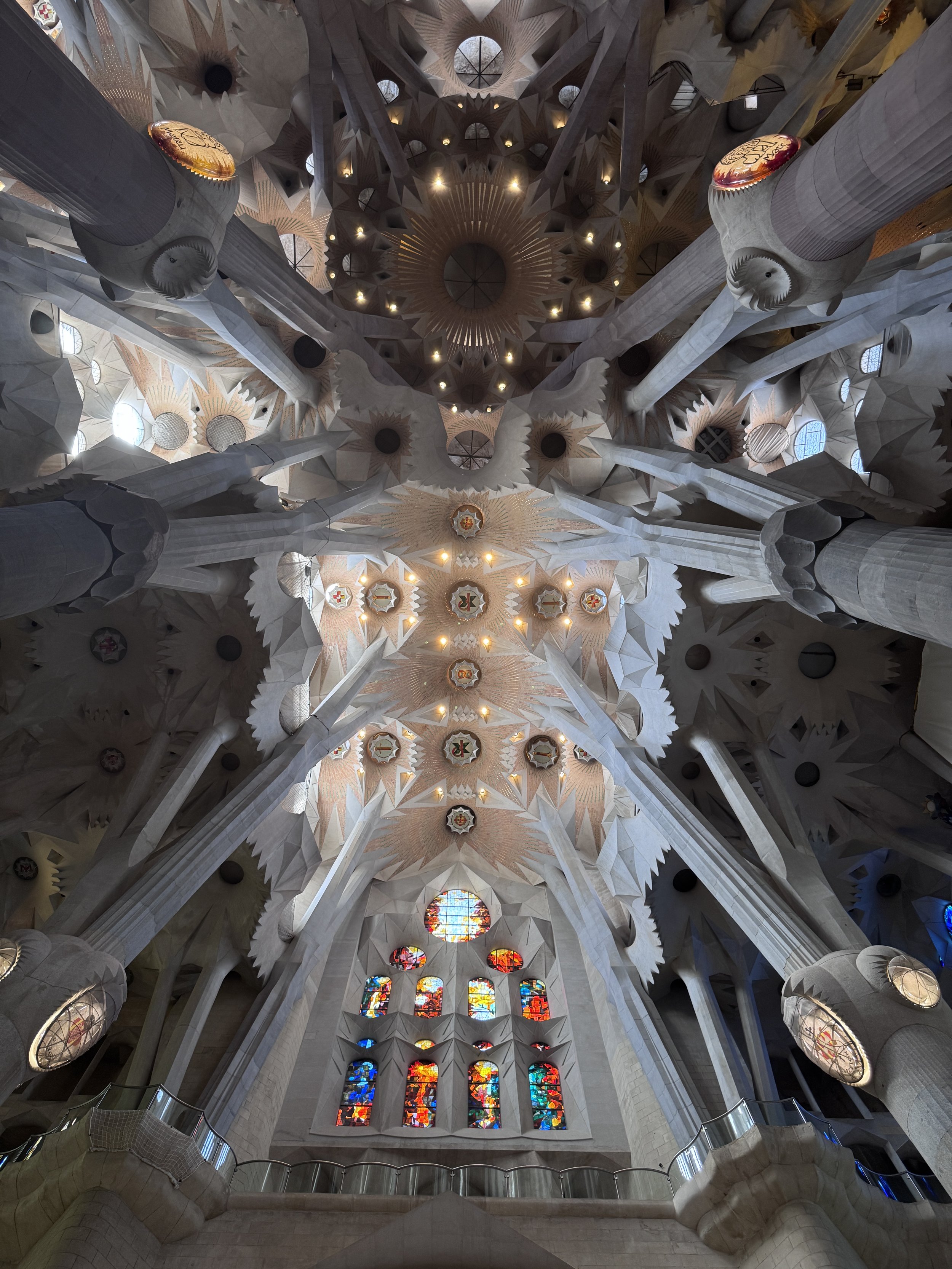
Basilica de la Sagrada Familia. Image by Author.
My wife and I boarded a plane with an itinerary, and the familiar excitement of travel. But somewhere between Barcelona and Paris, the trip began to feel less like a vacation and more like a passage. The route itself—beginning on the Mediterranean coast of Spain, moving north along the coast into France, turning inland to Carcassonne, continuing through the Loire Valley and finally ending in Paris—seemed to represent a story: in some symbolic way, the path of my own life in architecture.
Barcelona was the beginning, and rightly so. It is a city that announces itself with confidence, but also with generosity. When I was in architecture school, I thought about buildings as objects. We were trained to think critically, to design carefully, to obsess over form, material, concept, and detail. And that was necessary. It gave me a foundation. But school can also encourage a certain way of seeing, one where the building sits at the centre of the drawing and the world around it is quieter, less resolved, almost secondary. At that stage in my life, architecture was a discipline of ambition and craft. I was learning to make things. I was learning how to see.
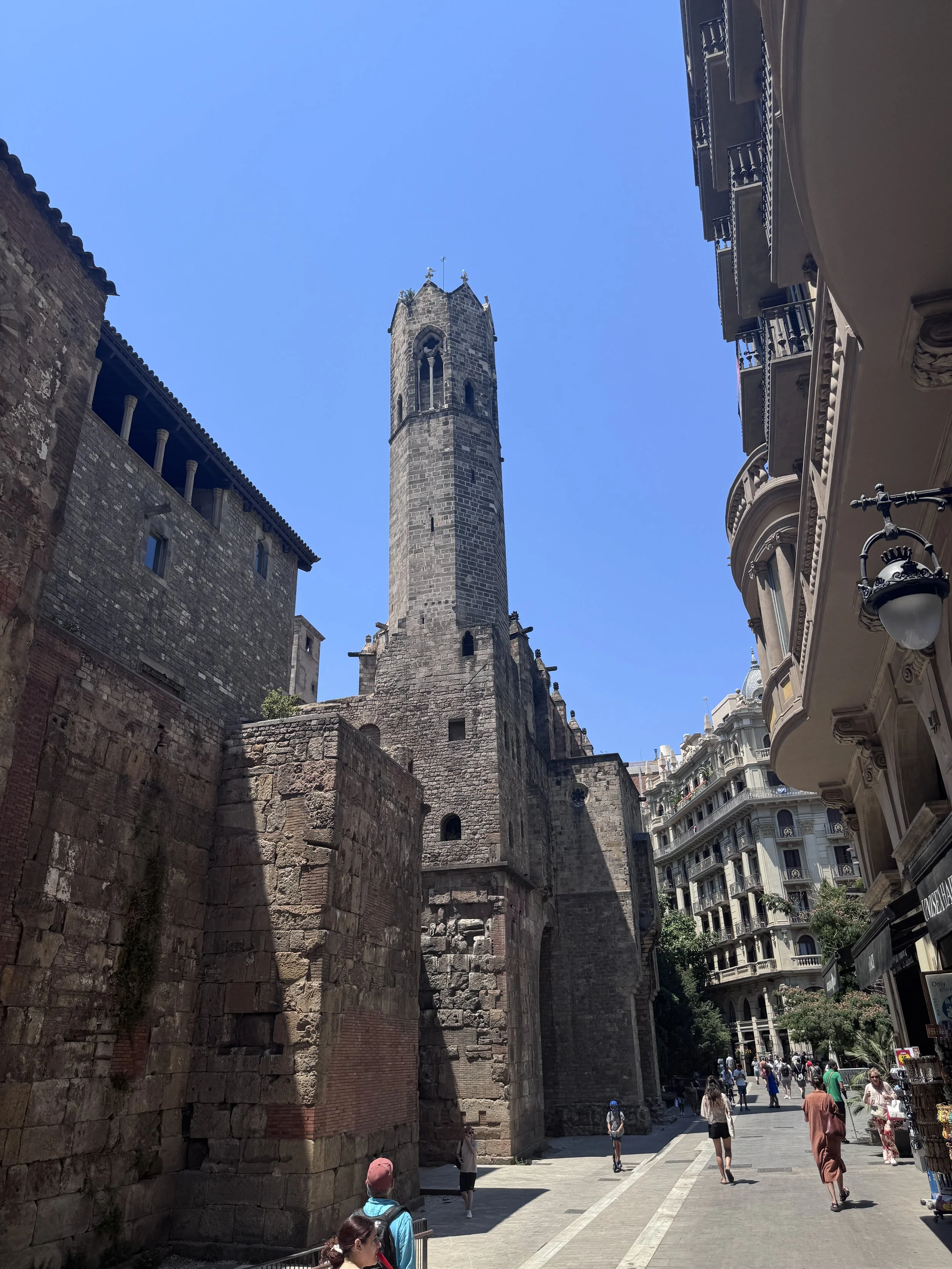
Santa Caterina, Barcelona. Image by Author.
But travel has a way of revealing what your education left out. What I remember most about Barcelona is not single buildings, though of course there were many worth remembering. It was the feeling of walking there. The streets seemed to hold life so naturally. Light hit stone and pavement in a way that made everything feel heightened. Balconies, trees, storefronts, benches, narrow side streets opening into broader civic spaces. The city seemed to understand that architecture is never just about buildings. It is also about the life that gathers around and between them. It reminded me that architecture does not stop at the wall. It spills outward. Or at least the good kind does.
In Barcelona, I felt again that early excitement around the design of buildings, but it was no longer just about the object. It was about the whole setting. It was about how streets frame experience, how thresholds matter, how a corner can feel open and social or closed and indifferent depending on a handful of decisions.
As we made our way north along the Mediterranean coast and crossed into France, the trip took on a different mood. There is something about moving steadily over land, watching one place give way to another, that invites reflection. You begin to feel time differently. You sense continuity. A road can do that. So can a coastline.
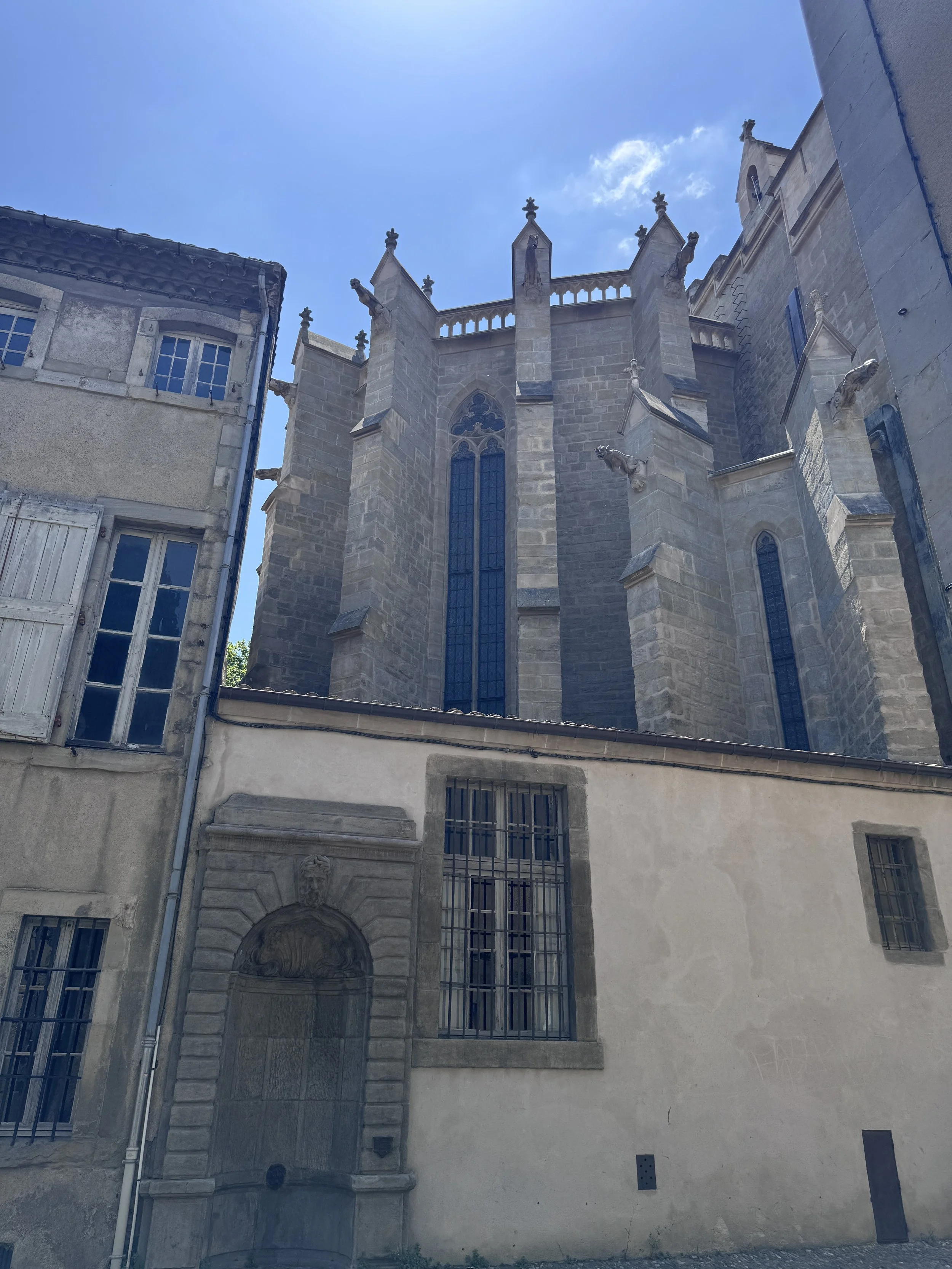
Carcassonne, France. Image by Author.
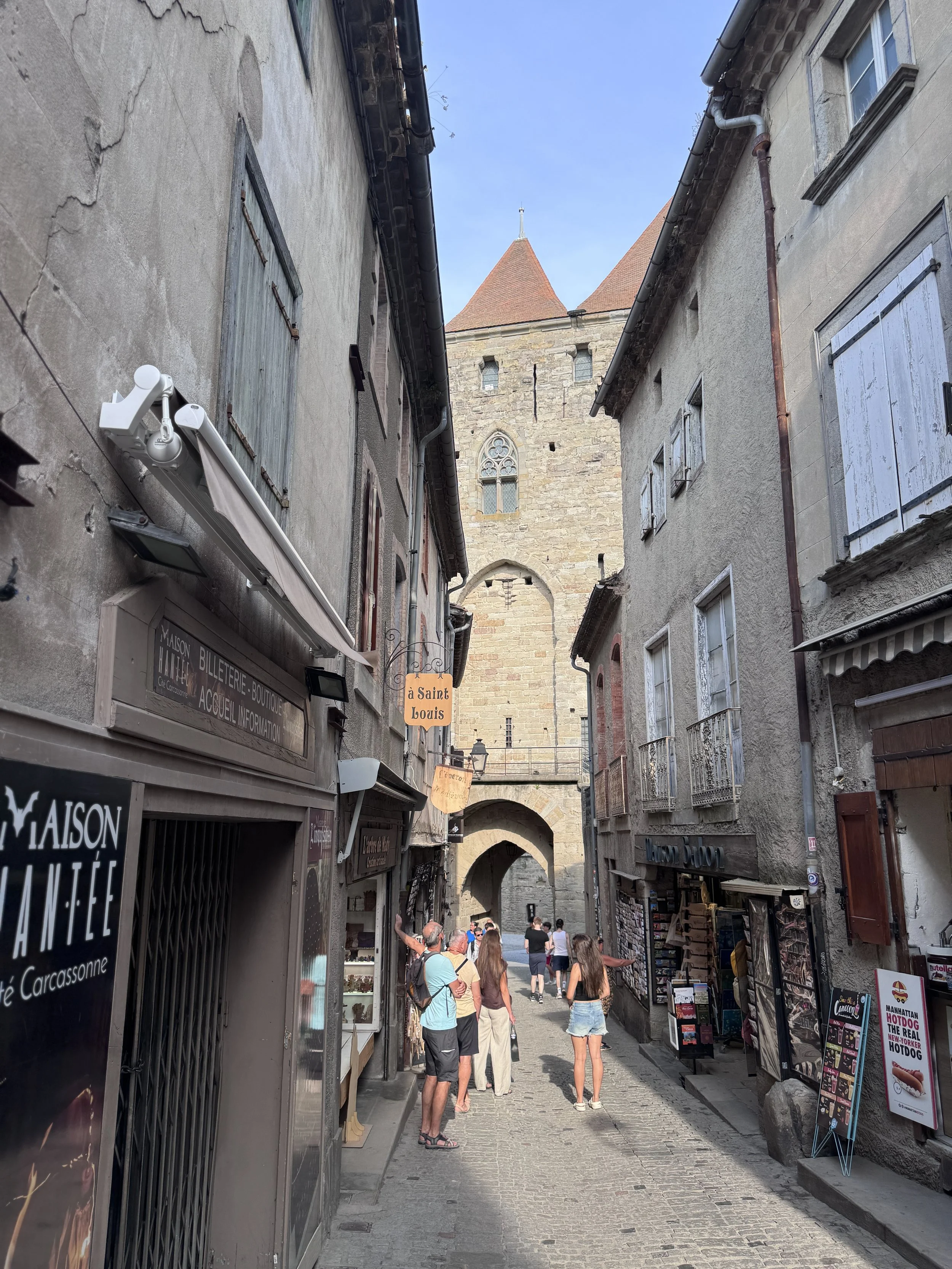
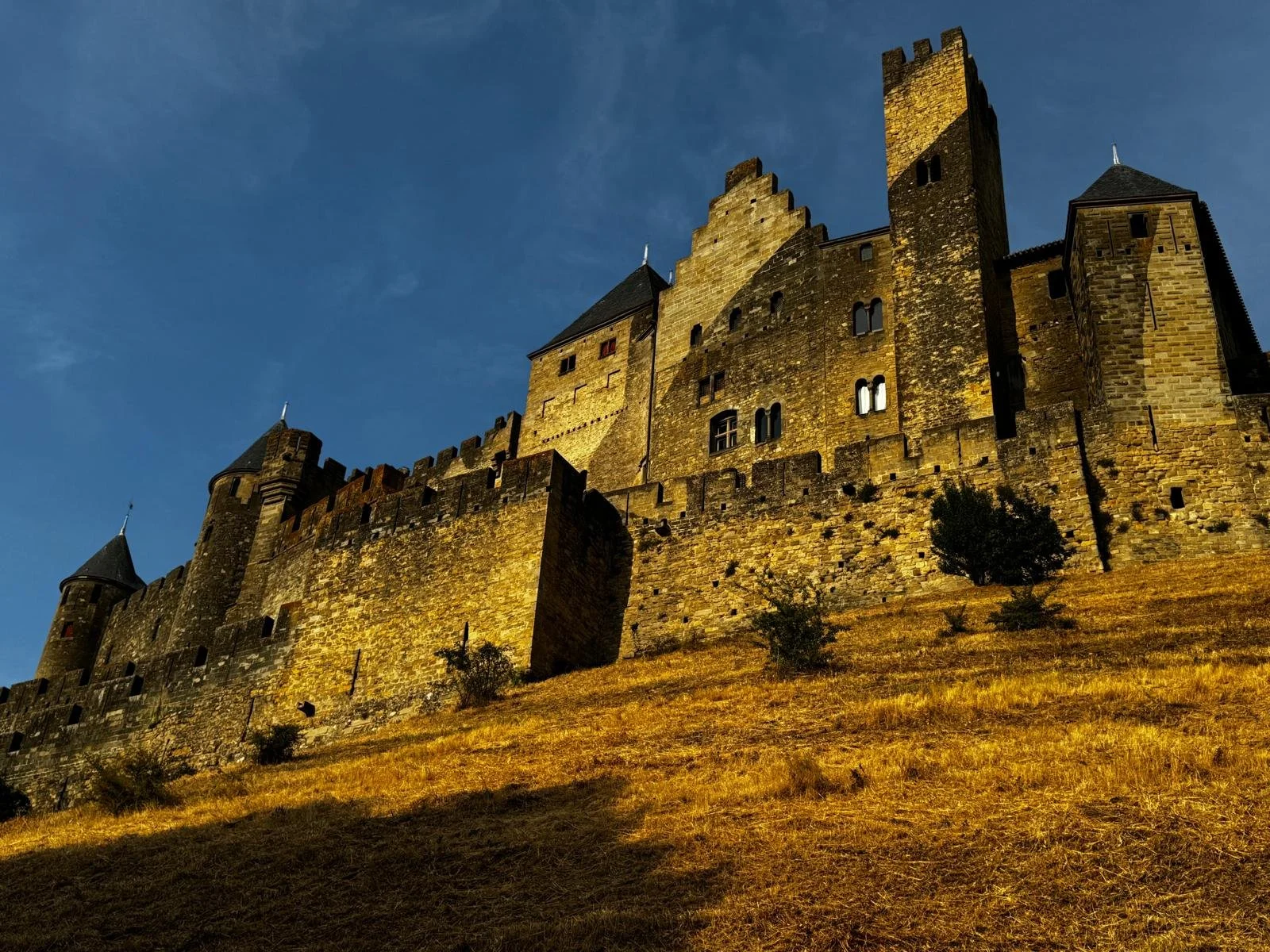
Carcassonne, France. Image by Author.
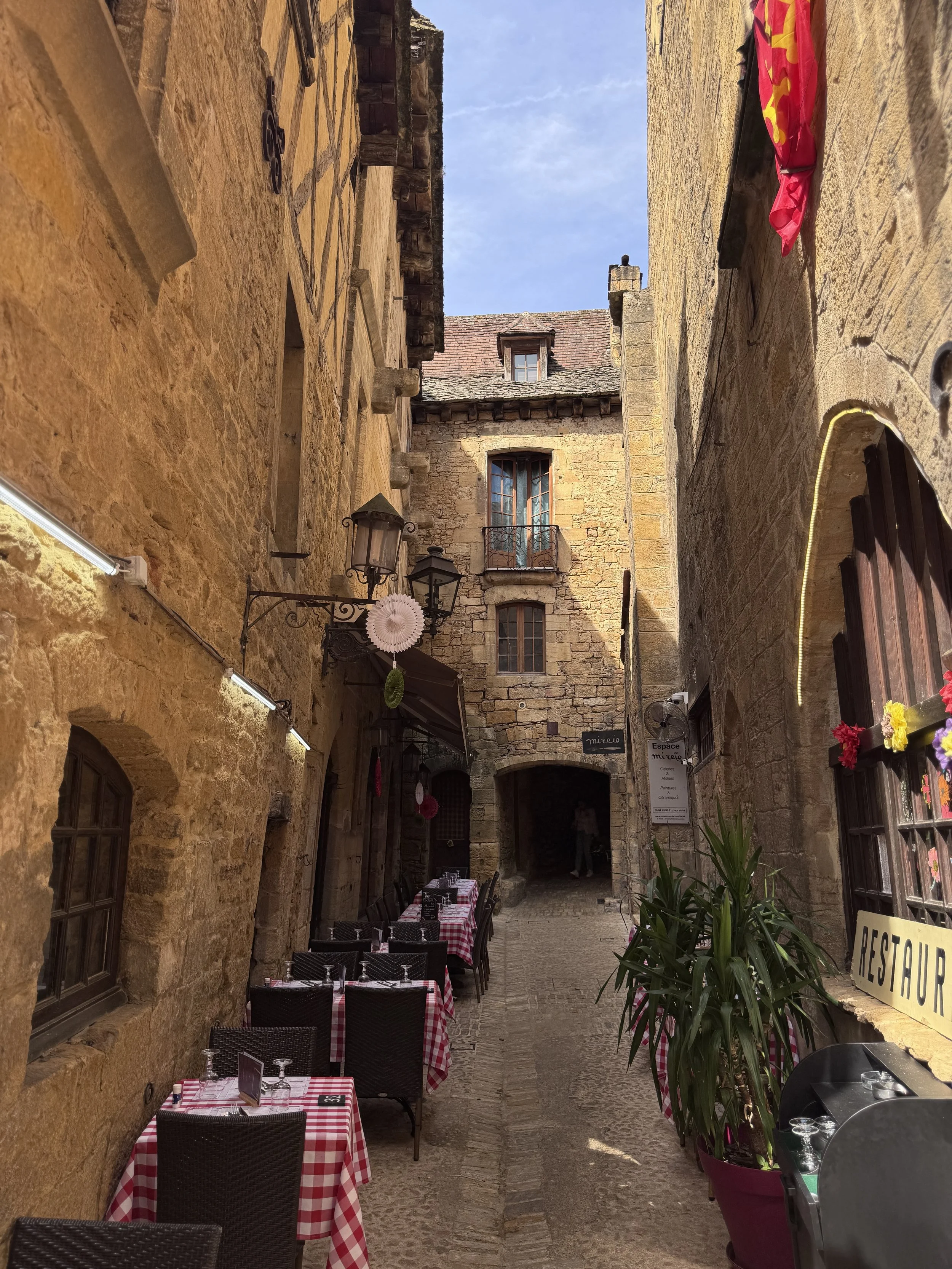
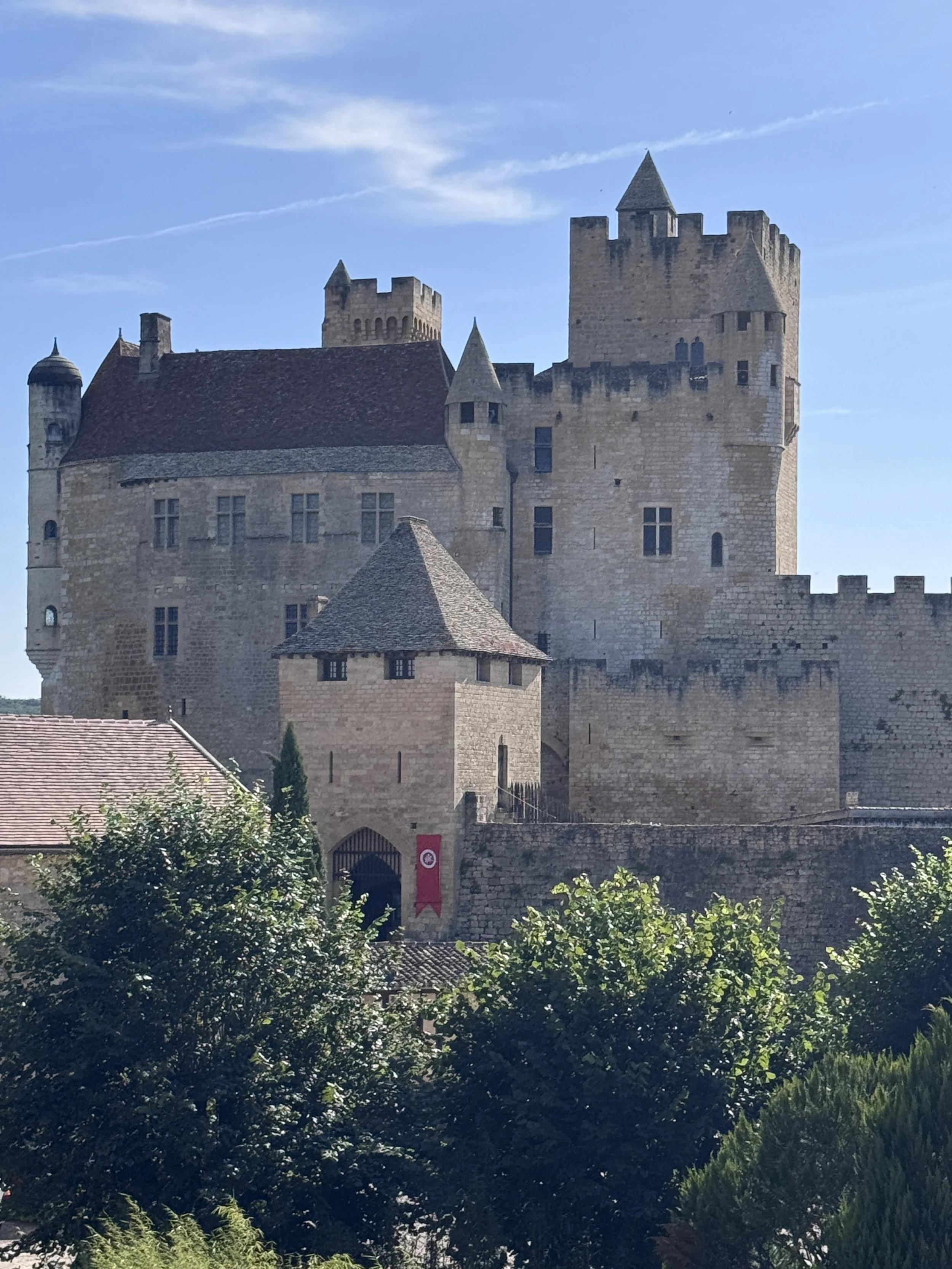
Carcassonne affected me deeply. There was something almost impossible about it at first glance, as if it had emerged not from history but from memory. Stone walls, towers, gates, winding passages. It could easily be dismissed as theatrical, too complete, too iconic. But walking through it, I felt something else—something that reminded me of my years as an intern in Ottawa. In Carcassonne, I felt the intelligence of enclosure, the power of sequence, the way a place can guide the body and shape awareness. The streets narrowed and widened with purpose. Views were withheld, then revealed. Shade and mass and texture worked together to create an atmosphere that was both defensive and intimate.
As an intern, architecture had become more real to me. Less romantic perhaps, but also deeper. The internship years taught me responsibility. Details were no longer just elegant lines on paper. They were decisions with consequences. Assemblies had to work. Codes had to be met. Consultants had to be coordinated. Clients had to be heard. But most of all, architecture needed to be appreciated as an experience, not simply as forms in space.
Getting licensed as an architect meant crossing a threshold of another kind. It meant understanding that architecture is not only the art of imagining buildings, but the discipline of making them real, carefully and accountably. I still value that part of my life immensely. There is honesty in detail. There is humility in knowing that a flashing, a joint, or a stair dimension matters. But over time my thinking began to change. Or widen, maybe.
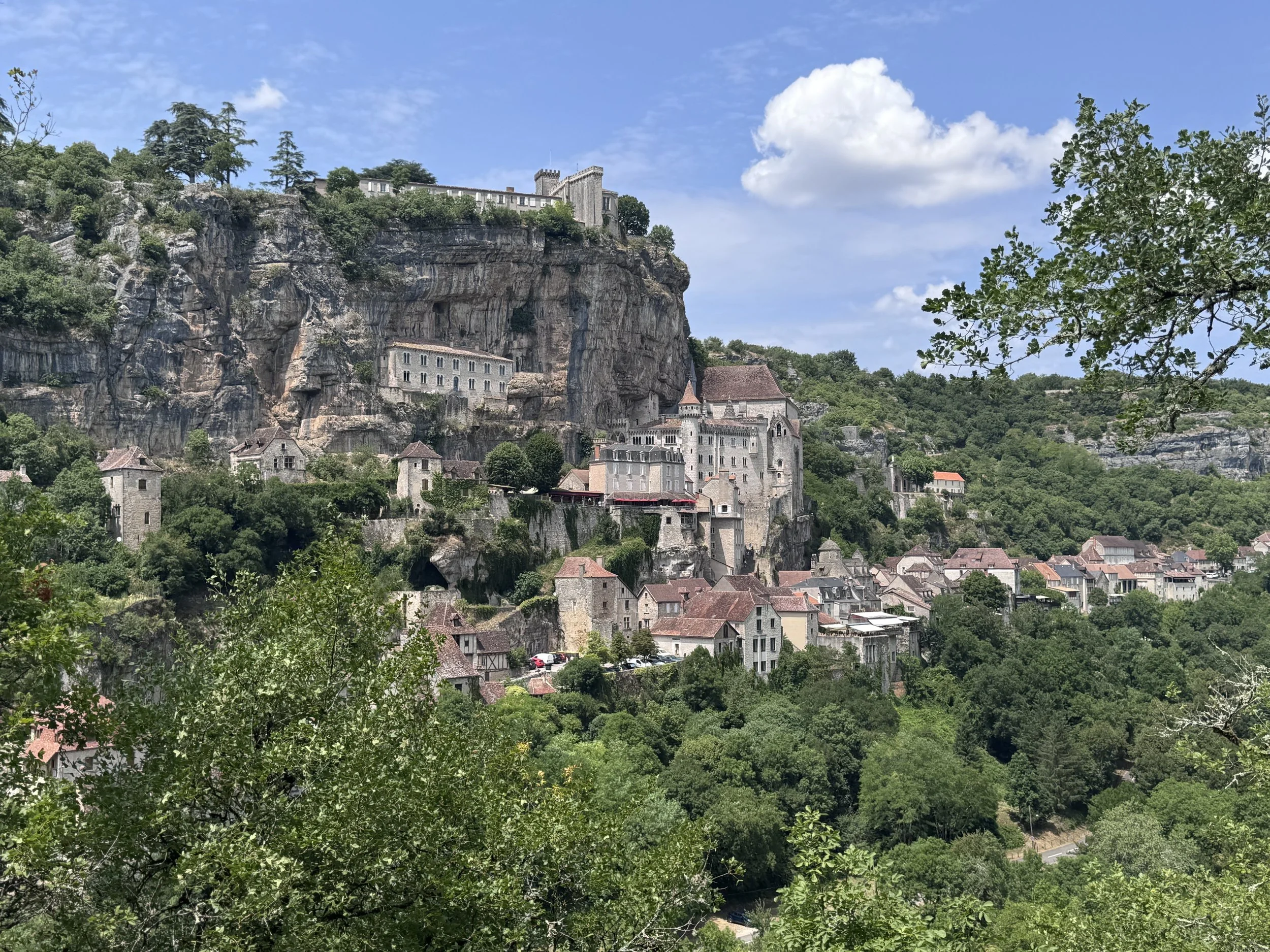
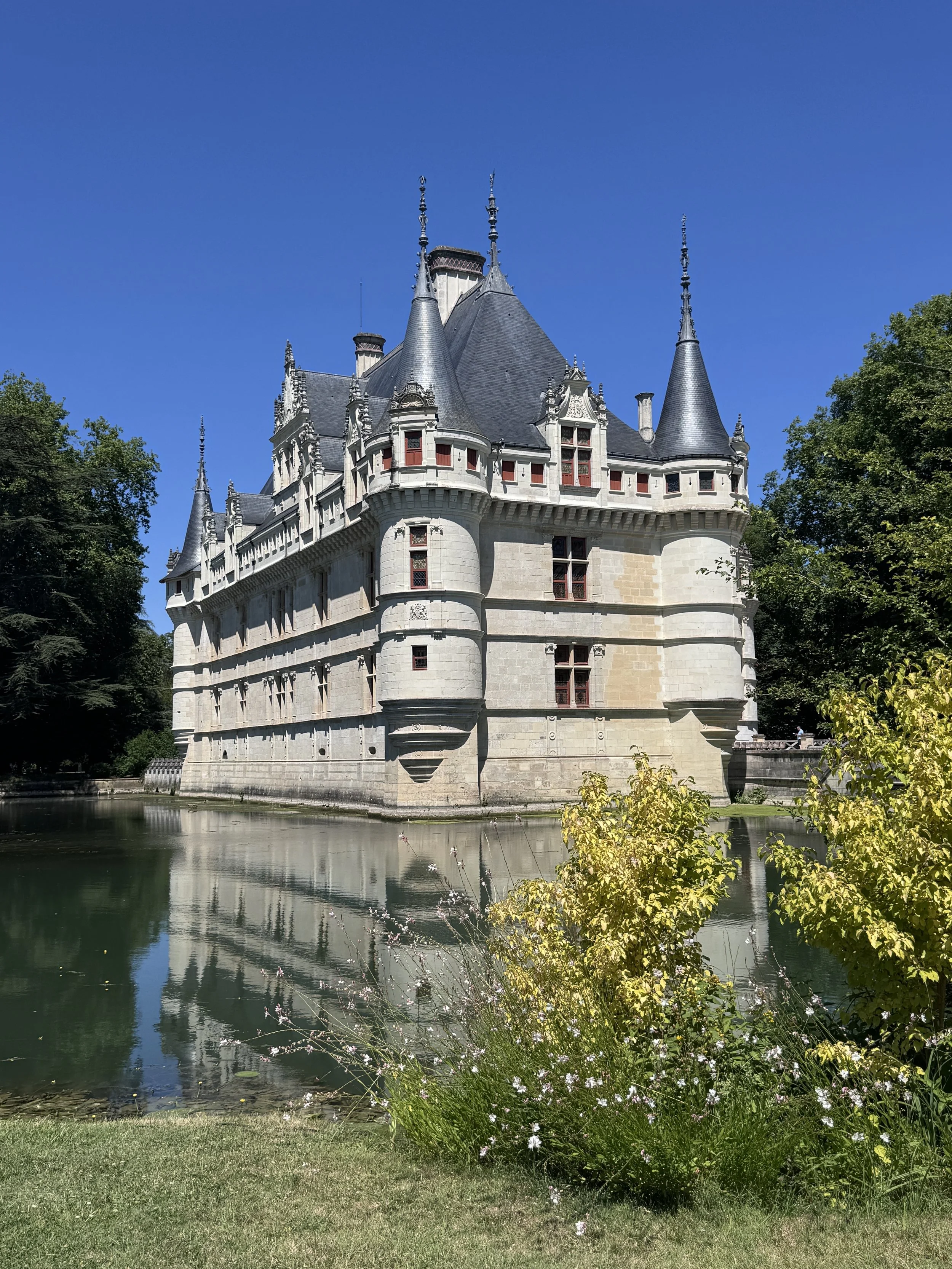
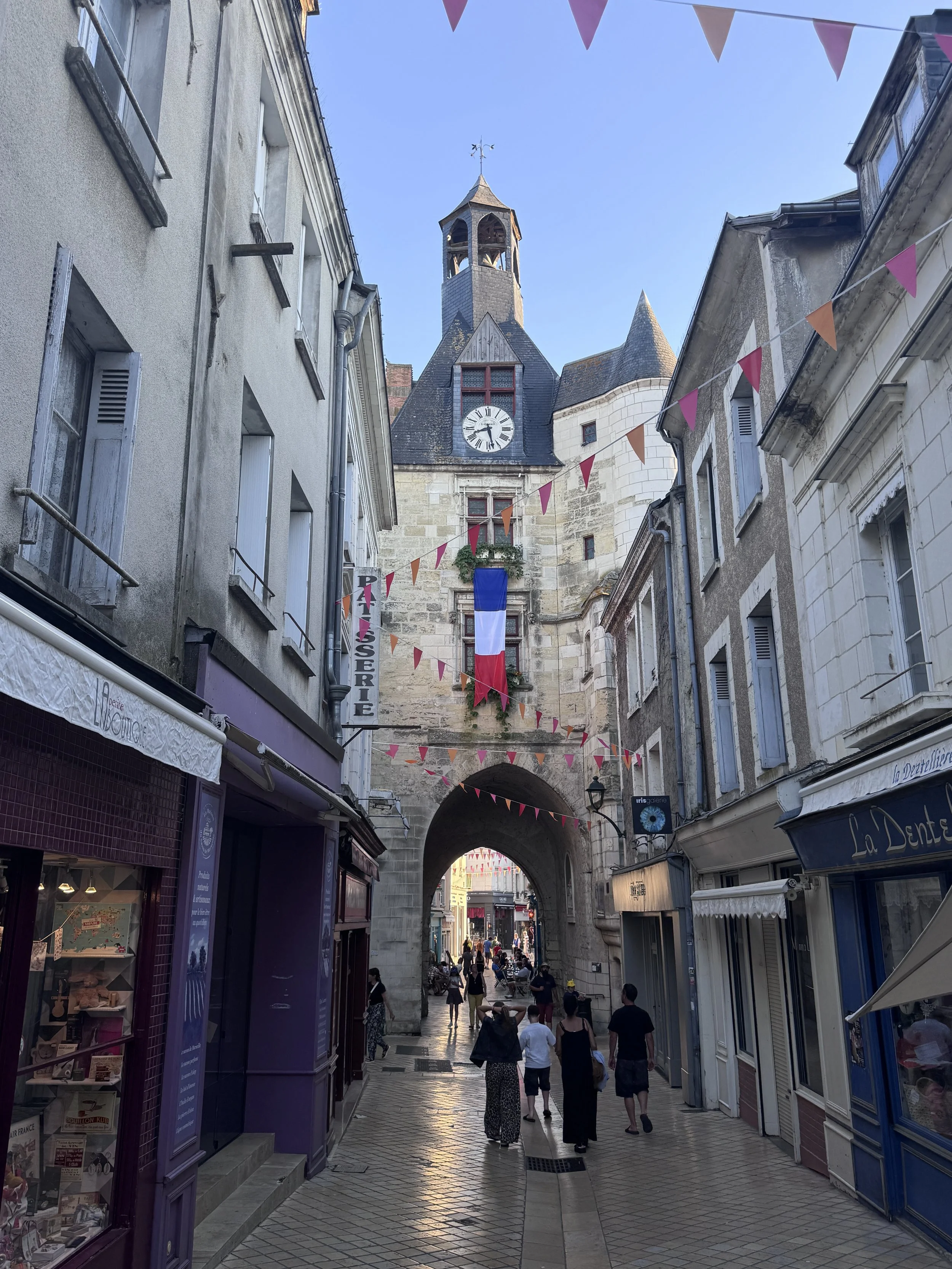
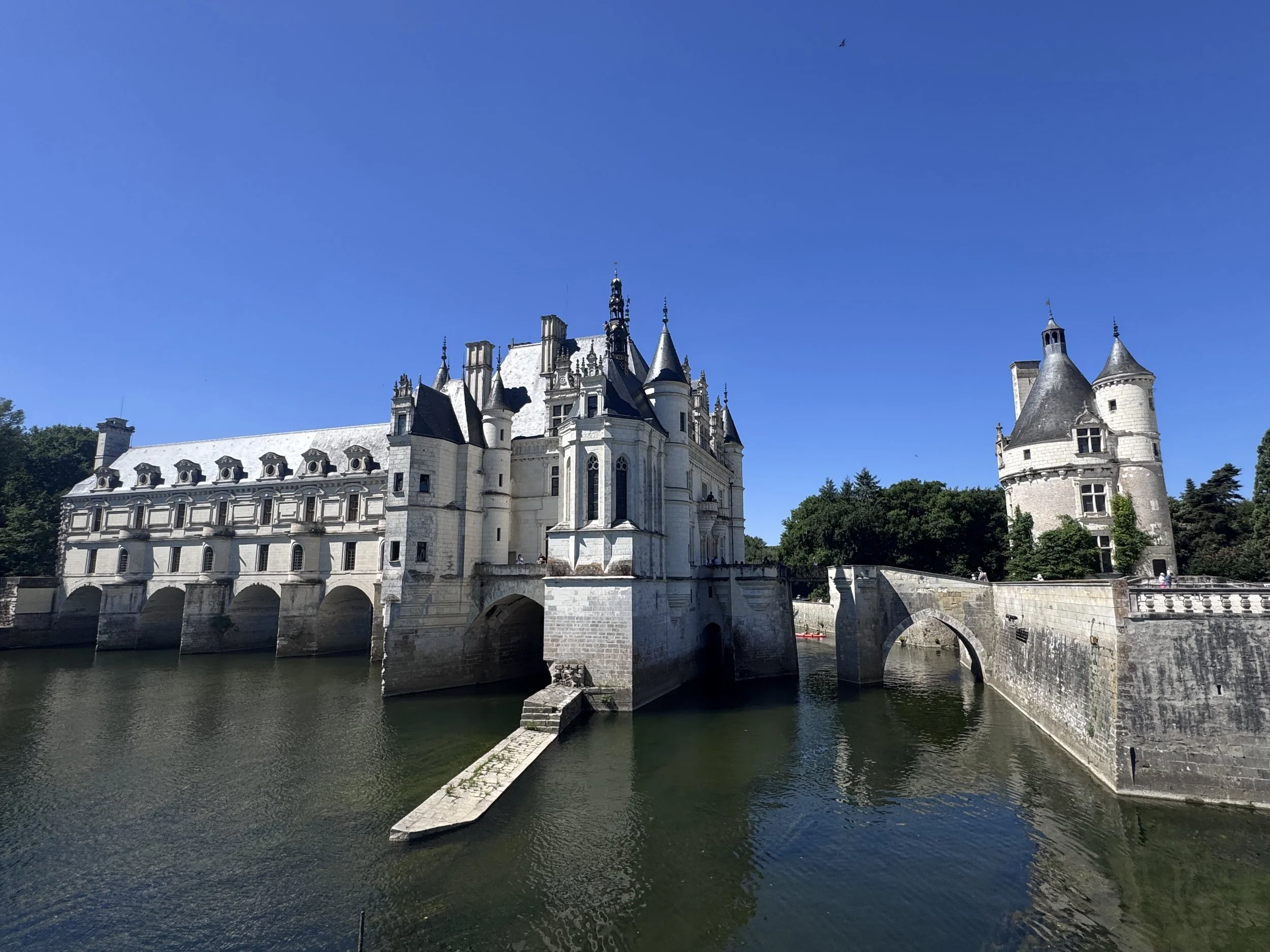
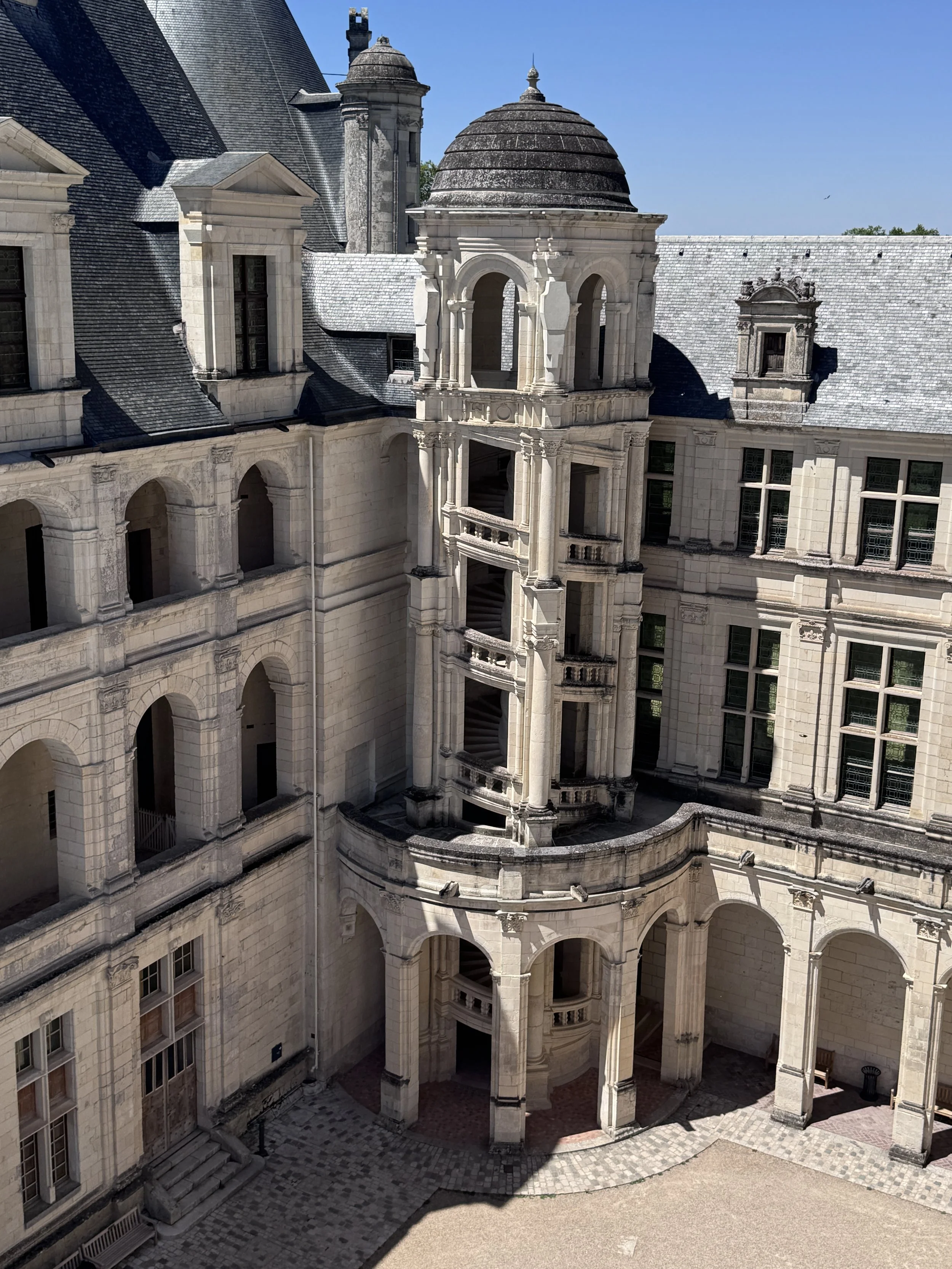
As we travelled through the Loire Valley, I found myself focused less on individual buildings and more on the relationship between things: villages, fields, roads, river edges, rows of trees, long views, clustered settlements. The landscape and the built form seemed to belong to each other. That, more than anything, echoed the shift that had gradually been happening in my professional career. I began as someone trained to think about buildings. I became someone increasingly preoccupied by groups of buildings and their relationship with the environment, built and natural.
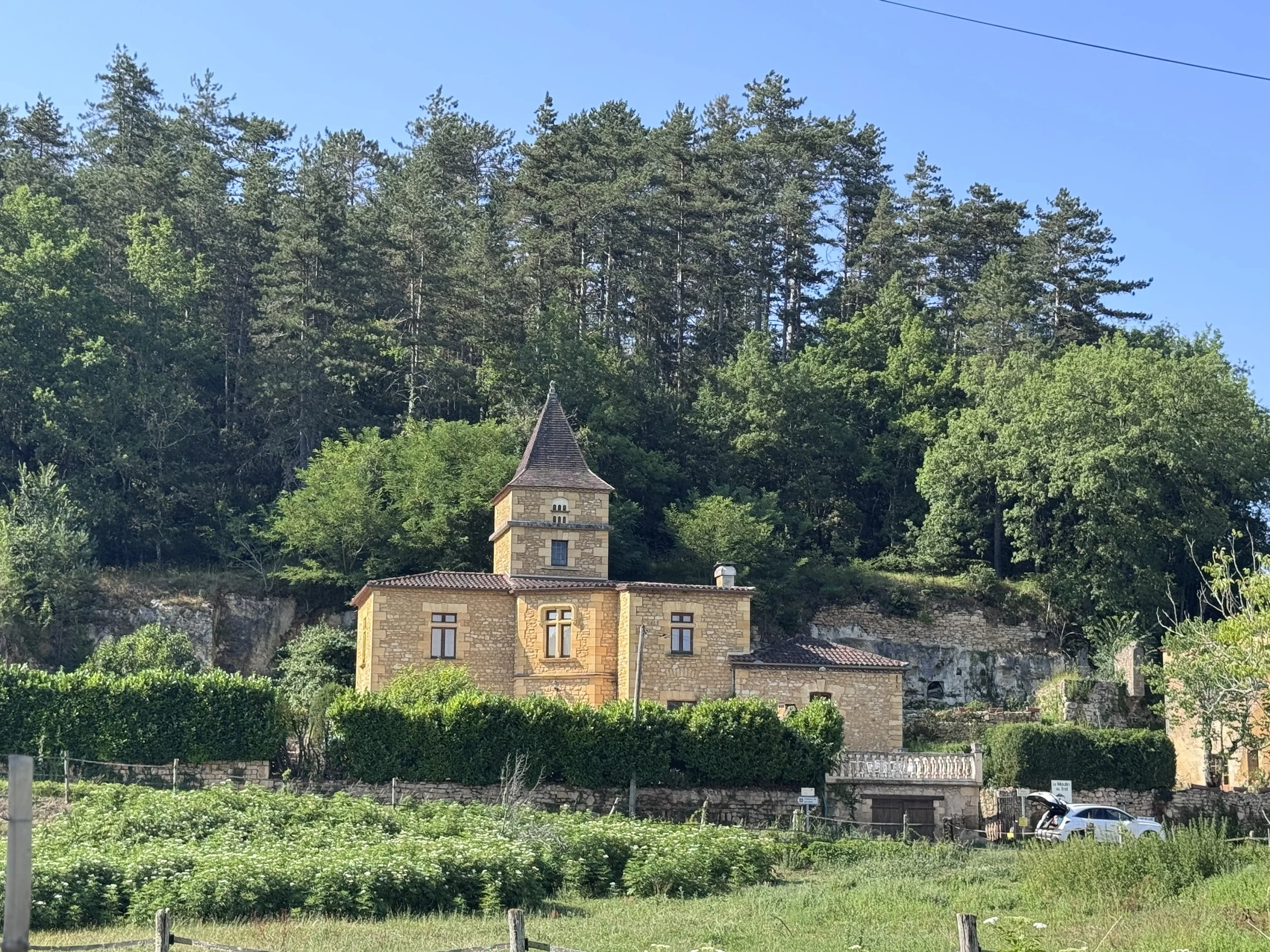
Loire Valley, France. Image by Author.
My interests and my career evolved from architecture to urban design not because I lost interest in buildings, but because I became more interested in what surrounds them and what connects them. I found myself wanting to think at a larger scale. Not bigger in the sense of grander, but broader in awareness. Streets. Public realm. Blocks. Neighbourhoods. Patterns of movement. The ordinary but important ways people encounter a place every day.
Working in urban design, and now at the City of Ottawa, has taught me to think in that larger frame. I still care about architecture deeply. But I care just as much about whether a building meets the street well, whether it contributes to civic life, whether it helps create a place people want to inhabit rather than simply pass through. In that sense, my own pilgrimage has been from detail to context, from object to city, from the crafted piece to the larger composition.
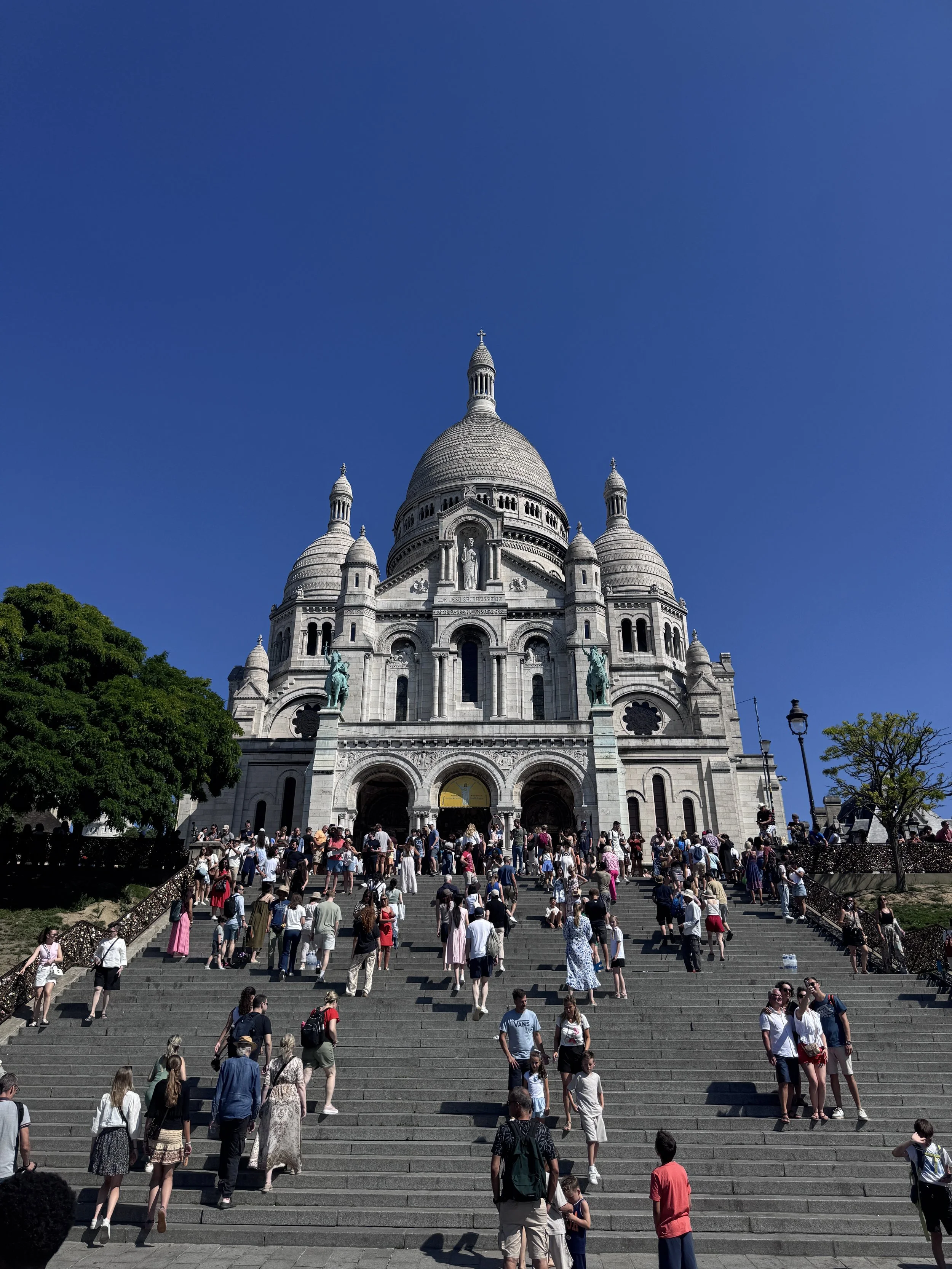
Sacre-Coeur Basilica, Paris, France. Image by Author.
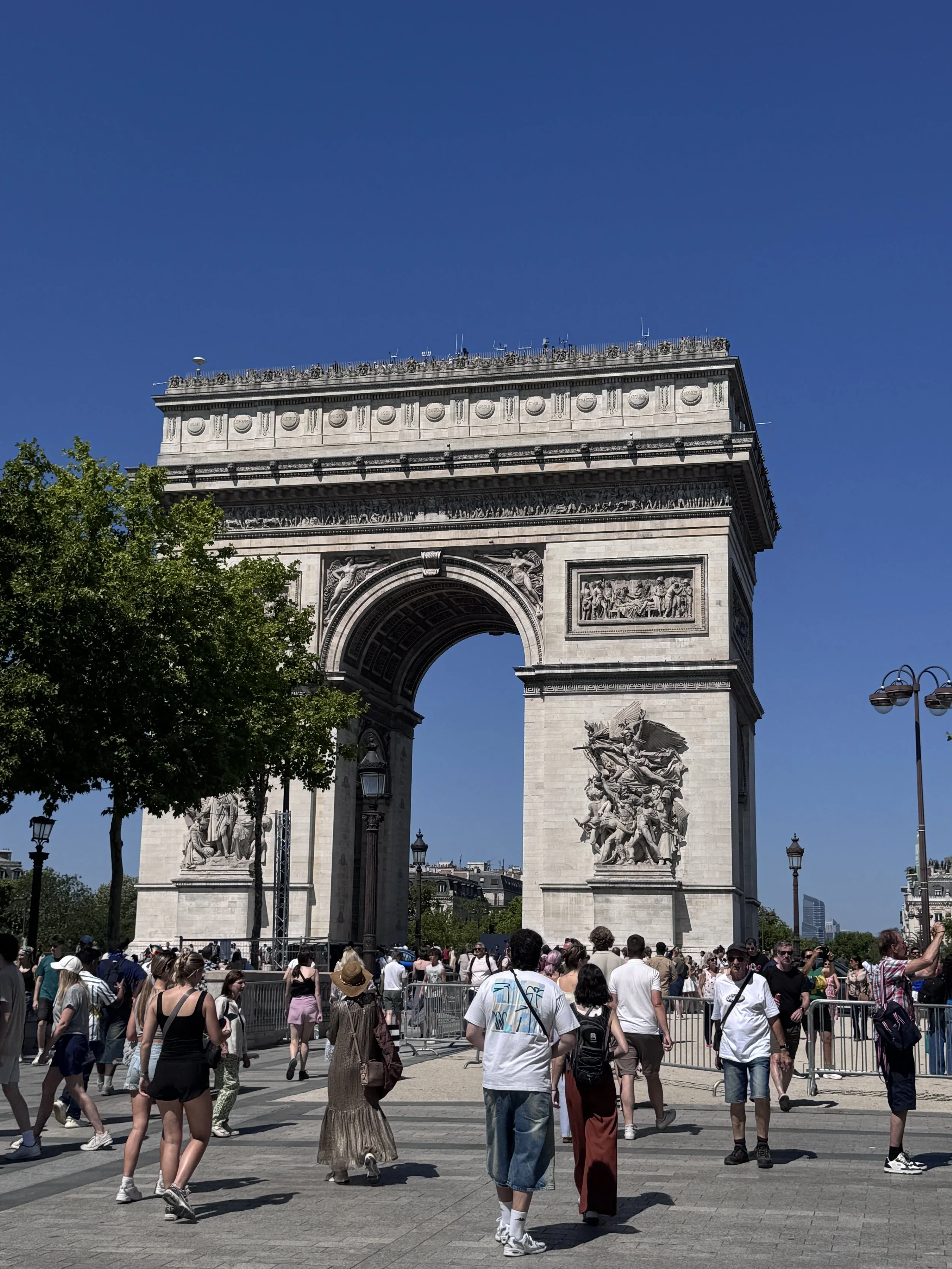
And then, finally, Paris. It is difficult to arrive in Paris and not feel that you have reached a destination in every sense. For me, it was not just the climax of the journey. It also felt like the realization of my career. Paris has the weight of myth, of history, of endless description. But what moved me most was not its grandeur alone. It was its coherence. The city holds together. Monument and boulevard, apartment block and café, bridge and garden, all seem to participate in a larger idea of urban life. It is ambitious, yes, but also disciplined. It understands both the large gesture and the fine grain.
By the time I arrived there, I realized why the journey had felt like a pilgrimage. It was not because I had been searching for answers exactly. It was because the trip had allowed me to see my own path more clearly. From Waterloo to Ottawa. From student to intern. From licensure to practice. From architecture to urban design. From focusing on how a building is made to asking what kind of city it helps make.
I came home with more than memories of beautiful places. I came home with a renewed understanding of why this work matters to me. Places do not become meaningful by accident. They are shaped slowly, through care, judgement, ambition, and restraint. The best ones feel inevitable when you are in them, but of course they are not. They are made. The trip reminded me that my own life has been a journey that has followed a similar route. I began by wanting to design buildings. I still do. But along the way, I gradually found myself drawn to something larger: the public life of cities, the spaces between buildings, the shared world that design can either diminish or dignify. And that, I think, was the real pilgrimage. Not just across Spain and France, but across the years of my own professional life.