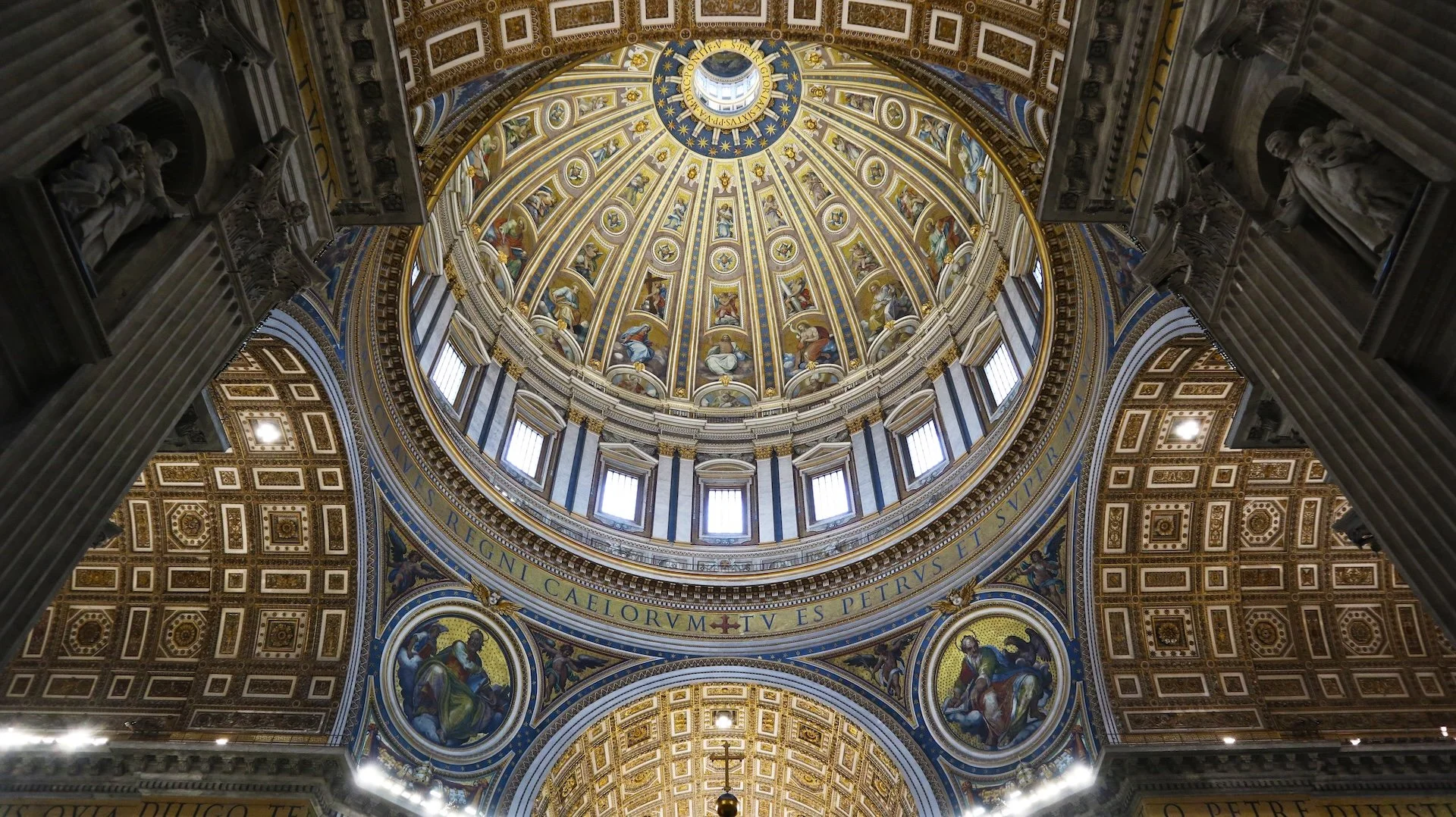
Spiritual Architecture
By Gordon S. Grice, OAA, FRAIC
A great building must begin with the immeasurable, must go through measurable means when it is being designed, and in the end must be unmeasurable.
Louis Kahn, “The Vision for the Kimbell”
“Unmeasurable” might be the best way to describe it. It’s that quality of architecture that you feel but can’t quite describe. It changes your state of being. Sometimes it calms you, sometimes it excites you, sometimes it makes your jaw drop. It’s ineffable, transcendent and, in the broadest sense, spiritual.
“A great building” isn’t necessarily a famous or monumental building. A great building is one in which the whole far exceeds the sum of its parts, although that fact may not be apparent to everyone, all the time, or to the same degree.
When we started to examine this topic, we were thinking of buildings that are renowned for their sense of spirituality—religious buildings, obviously, but also buildings that are remarkable for their ability to lift us out of our day-to-day existence and immerse us in an indescribable experience.
But as we descended into the research rabbit hole, it became apparent that almost any kind of architecture has the capacity to encourage ways of feeling and being that are transcendent but undefinable. In fact, isn’t that what all architecture is meant to do? Architecture needs to satisfy basic requirements, functional, legal, contractual, financial, etc., but that’s just the hamburger. Beyond that, there’s the special sauce.
Our search quickly expanded to include spaces of contemplation (libraries, art galleries), anticipation (airports and railway stations), celebration (entertainment venues, concert halls, stadiums, etc.), commerce (shopping malls), fantasy (theme parks and entertainment environments), serenity (temple gardens), administration (government buildings), healing (hospitals and clinics), and even residential and business structures. In short, every kind of architecture, great or small.
There’s nothing in a standard Client–Architect Agreement that states “Architect shall create spiritual spaces.” No architect in their right mind (which presumably includes all architects) would agree to such a condition. To do so would be to make an unrealistic promise, not to mention accepting an uninsurable professional liability risk. And yet, architects create these kinds of exceptional spaces as a matter of course.
Kahn’s observation at the beginning of this introduction offers a way to understand the design process. It begins with an idea, a dream or an emotional sense of a space, passes through the measurable work of assembling information and shaping materials, and culminates in an experience whose atmosphere, light and beauty cannot be fully quantified.
What distinguishes spiritual architectural spaces, immense or modest, is their ability to provide an undefinable sense of something that can’t be detected by the regular sensory organs. You feel it in your bones.
In this issue of The Right Angle Journal, five architects attempt to describe the indescribable qualities of architecture, sacred and profane, ancient and modern, great and humble.
If it is difficult to quantify aesthetics, it is utterly impossible to quantify the experience of being in a great architectural space.
Paul Goldberger, Why Architecture Matters. New Haven: Yale University Press, 2009, p. xvi.
In this issue
Spirituality and Architecture
By Gordon S. Grice
An Experience in the Creation of Spiritual Spaces
By Bill Birdsell
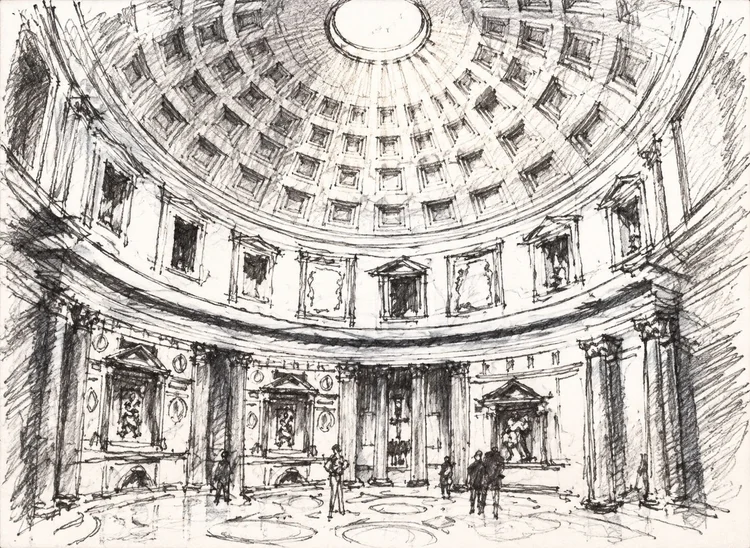
What Cannot Be
By Rocco Maragna
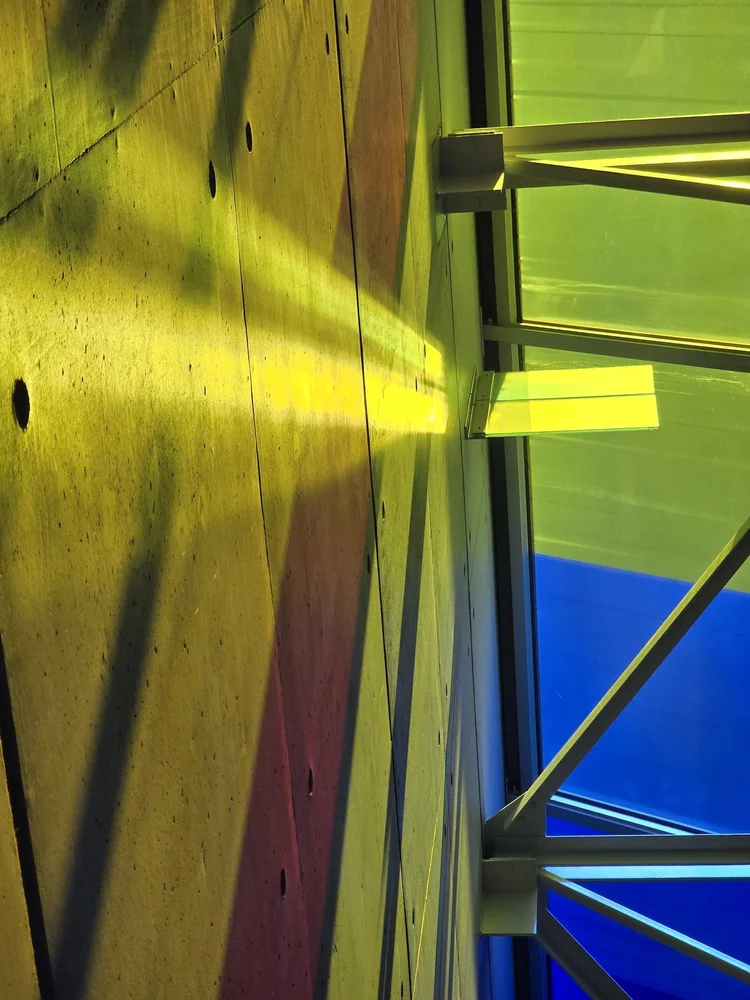
St. Gabriel’s Church: A Physical Manifestation of Ecotheology
By Roberto Chiotti

Ecotheology
By Roberto Chiotti
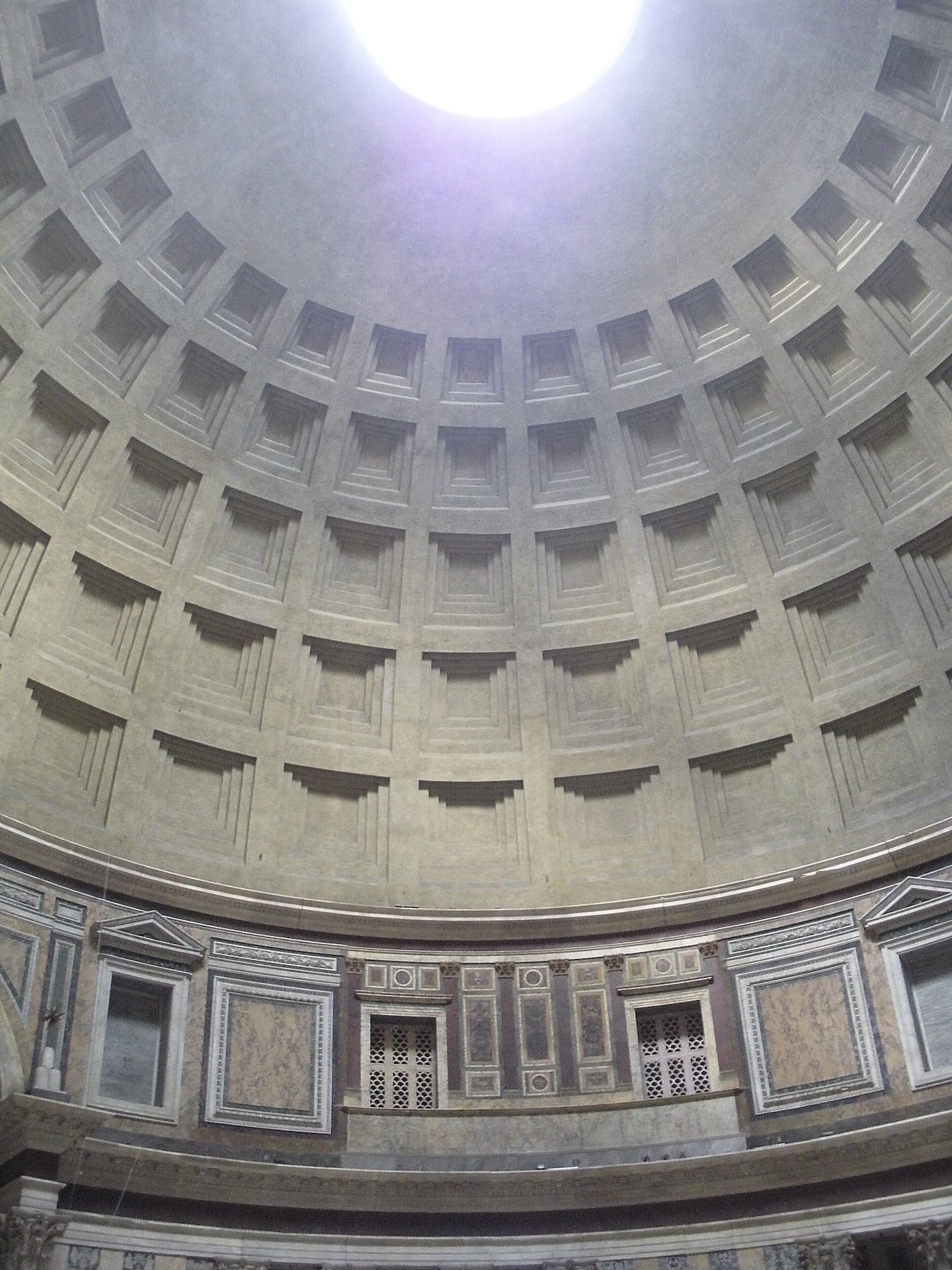
Spirituality and Architecture
Gordon S. Grice explores the spiritual qualities of sacred and secular architecture, from cathedrals and galleries to libraries and homes.
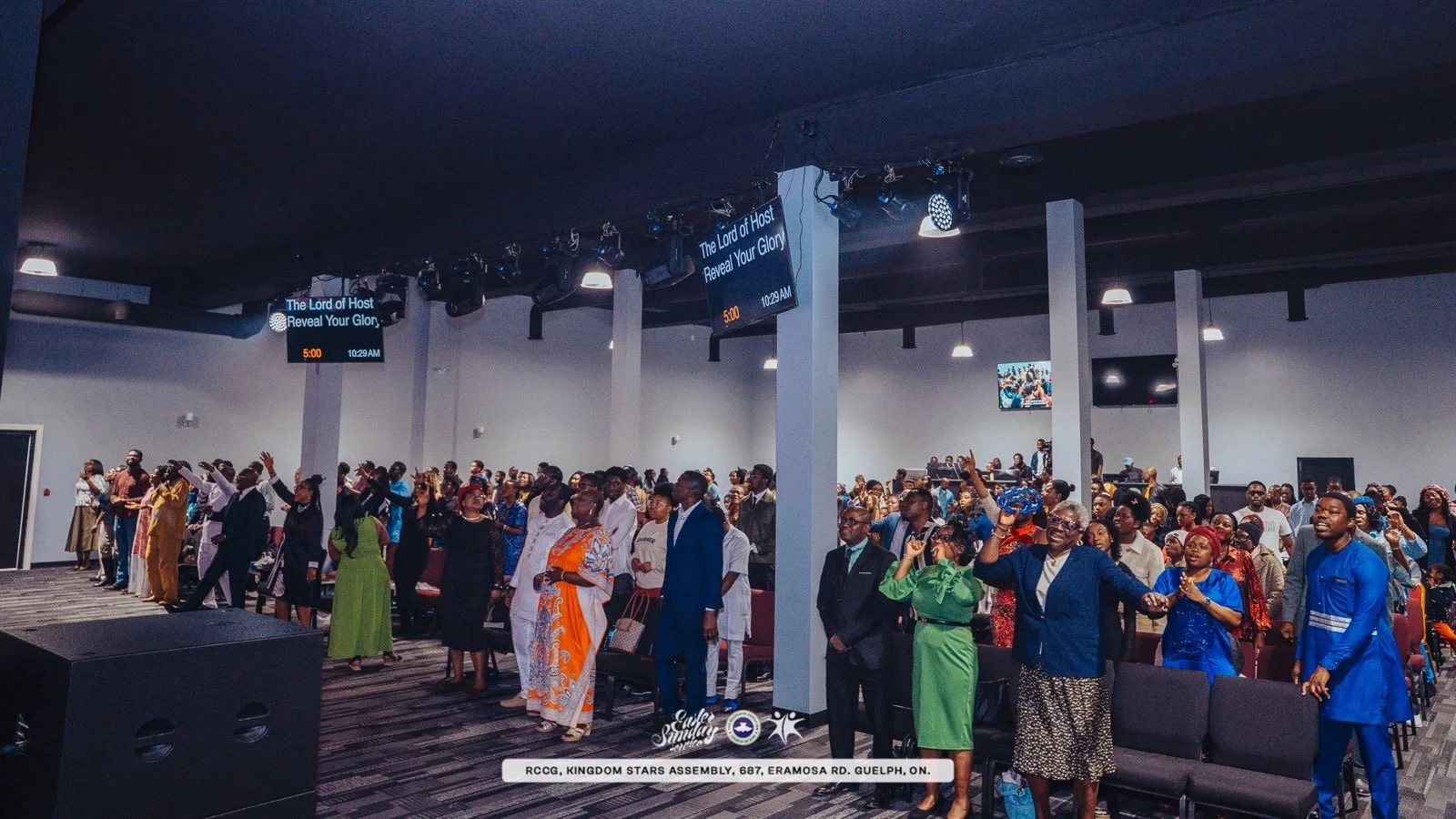
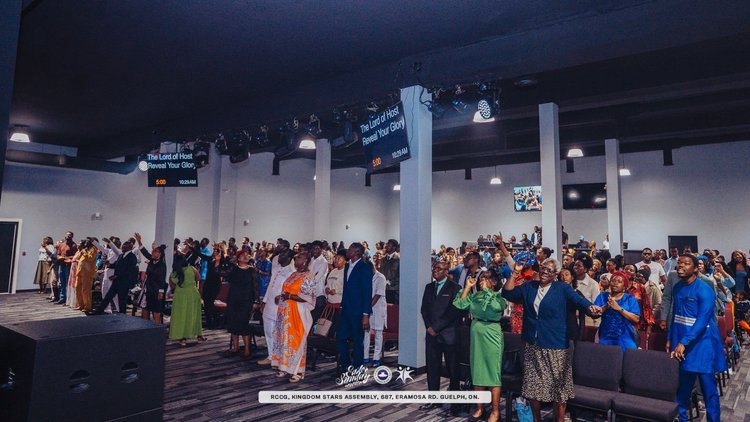
An Experience in the Creation of Spiritual Spaces
Bill Birdsell reflects on designing places of worship and the communities that transform buildings into spiritual spaces.
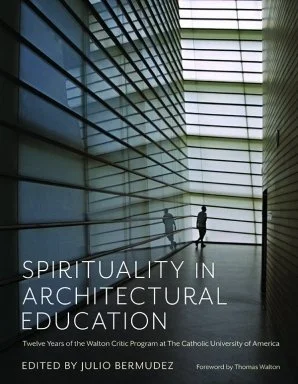
Vocation, Big Picture, & Integration: How Spirituality Enters Architectural Education
Julio Bermudez explores vocation, the big picture and the integration of spirituality into architectural education.
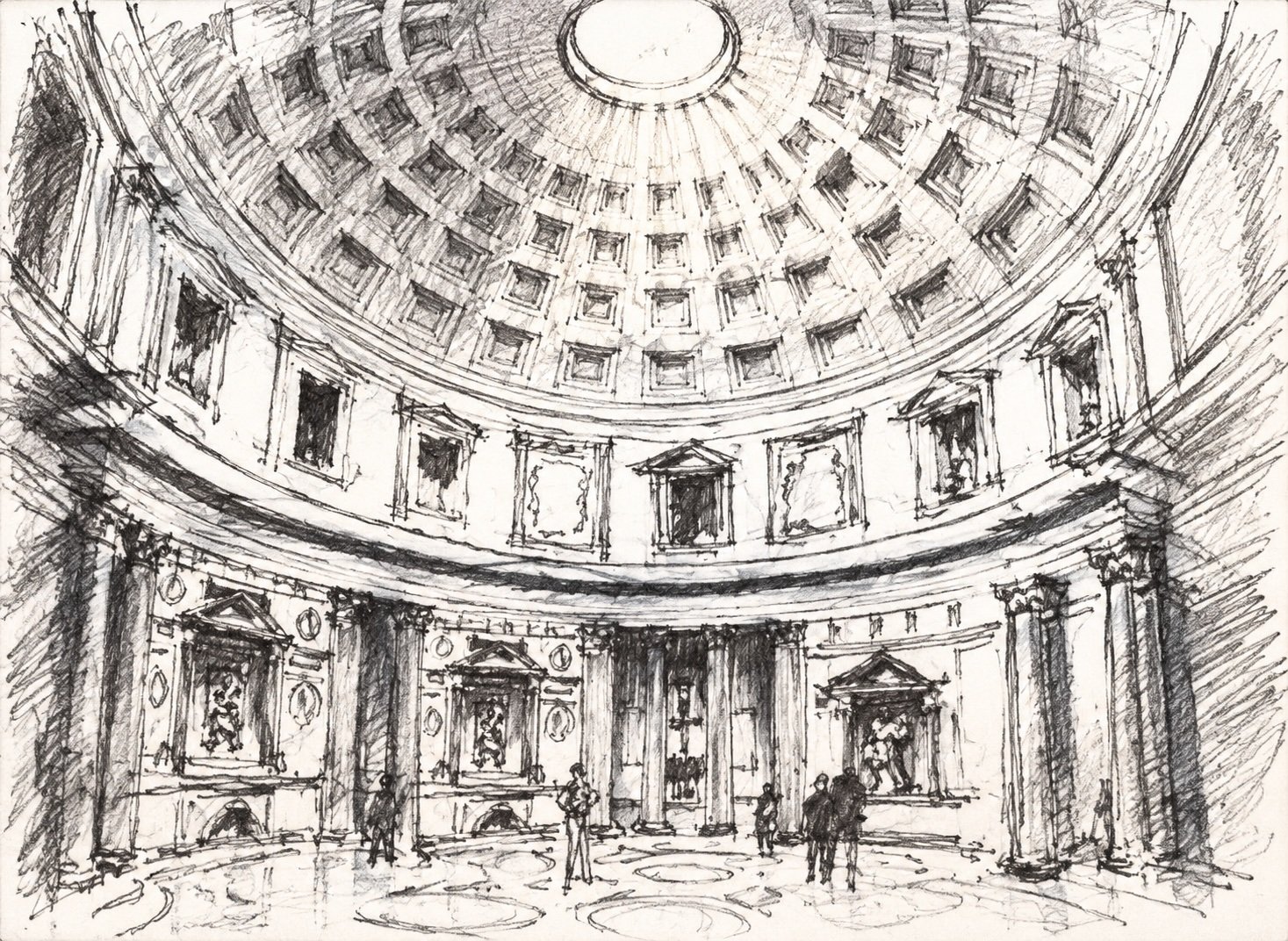
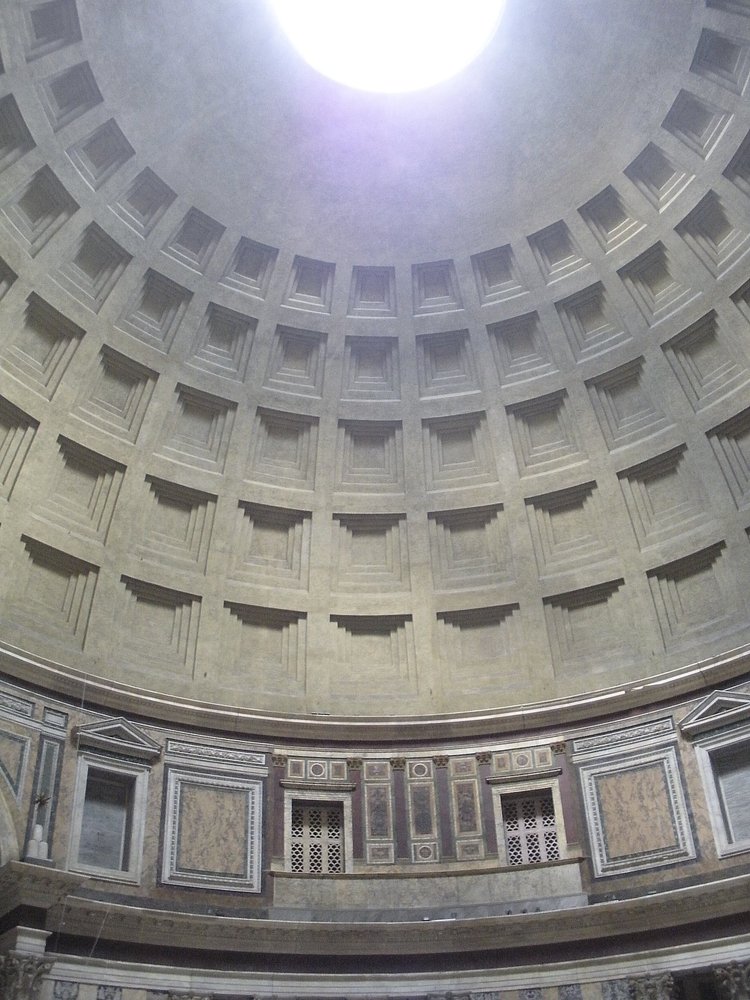
What Cannot Be
Rocco Maragna reflects on the spiritual experience of architecture through the Pantheon, St. Fidelis Church and encounters with Louis Kahn.

Ecotheology
Roberto Chiotti explores ecotheology, the relationship between humans and nature, and its implications for architecture and ecological responsibility.
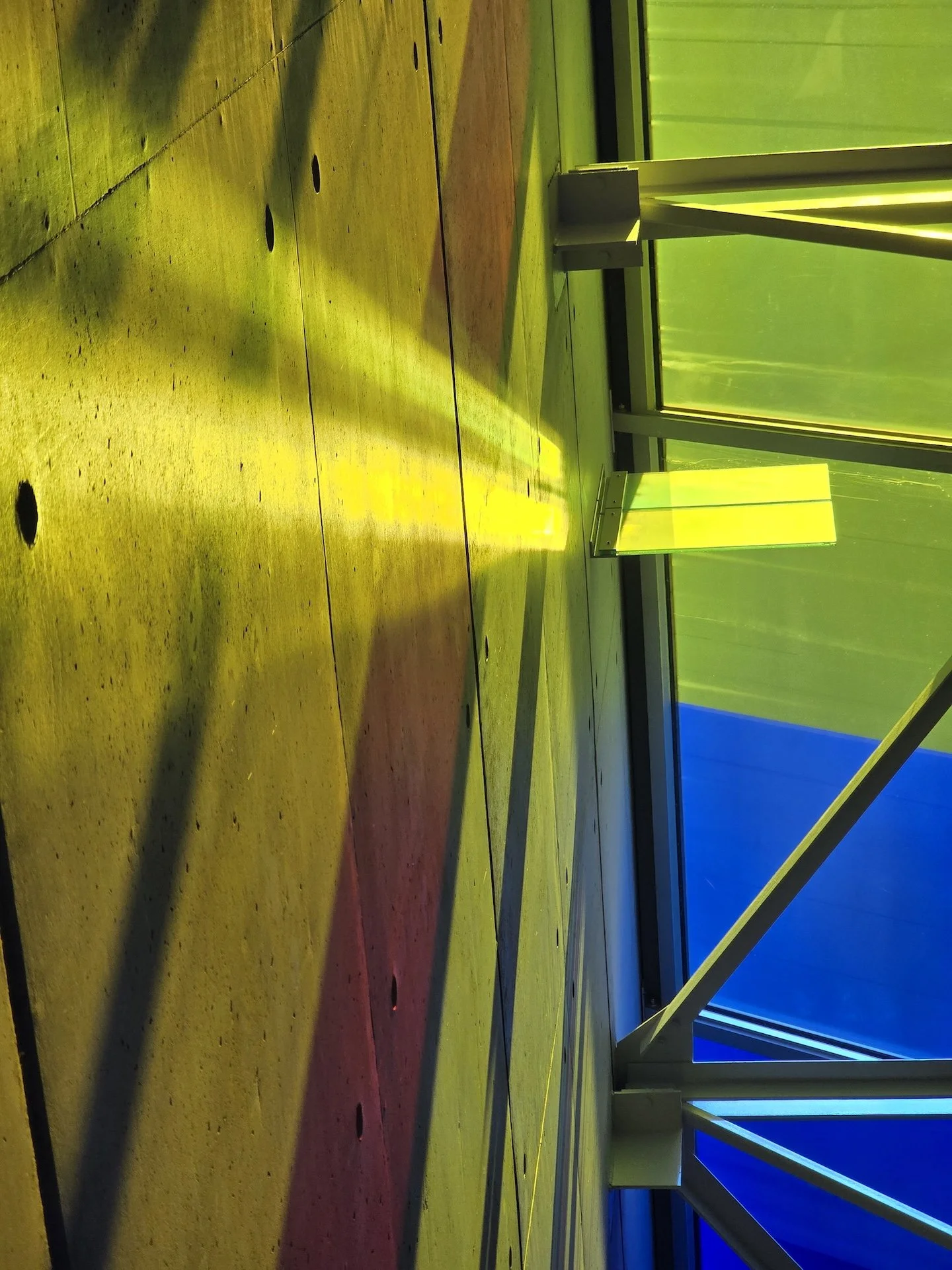
St. Gabriel’s Church: A Physical Manifestation of Ecotheology
Roberto Chiotti explores how St. Gabriel’s Church embodies ecotheology through sunlight, landscape and sustainable architectural design.